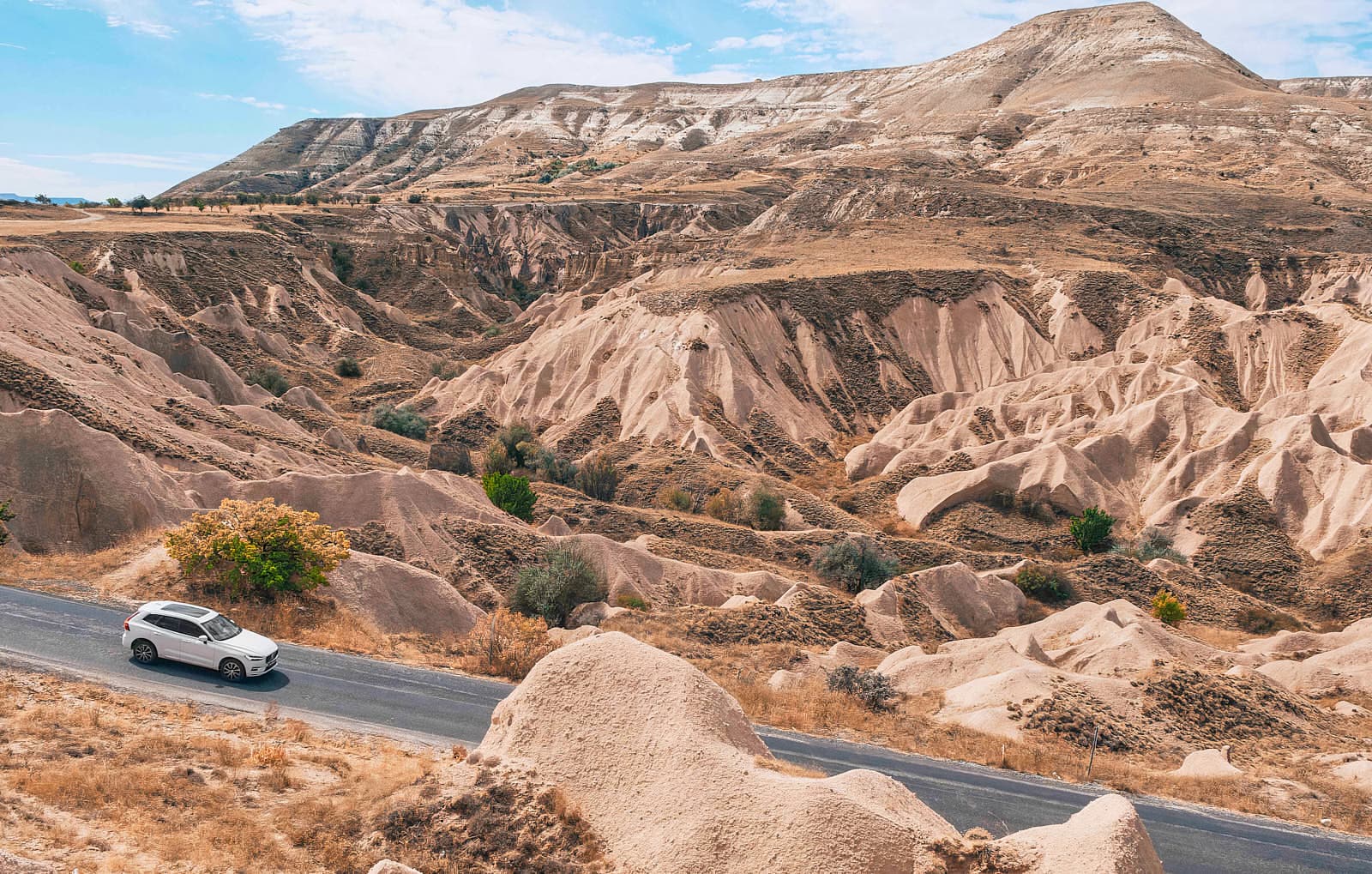

Türkiye (also known as Turkey) is not just all-inclusive resorts, the narrow streets of Istanbul, and the hot-air balloons of Cappadocia. The country is a fantastic place to explore by car — the roads are good and uncrowded, and car rental is affordable. Stunning views along the Black Sea or Aegean coastline, Lycian ruins along the Mediterranean, the authentic landscapes of Kurdistan — all of this is best discovered behind the wheel. Here's how to plan your route and set off on your first road trip through Türkiye.
Türkiye has an excellent intercity bus network, a decent rail system, and cheap domestic flights. So a traveler without a driver's license can get around Türkiye comfortably and see plenty of great places. But many attractions are simply unreachable without a car. From an architectural and cultural standpoint, most Turkish towns are honestly rather dull — all the real beauty lies in the countryside around them. Taxis in Türkiye are expensive, hitchhiking is wonderful but takes too much time and isn't for everyone. If you've already ticked off Istanbul's sights (a city where a car is more of a hindrance than a help), lounged on the beaches of Antalya, and floated over Cappadocia in a hot-air balloon, it's time to level up and rent a car.
Where to rent a car
Renting a car in Türkiye is very straightforward. Every airport has desks for both local and international rental companies. There are even more offices in the areas around airports, and prices there are likely to be lower. For example, the street Kardeş Kentler runs along the runway at Antalya Airport, and car rental offices appear every 50 metres or so. You can also rent a car in tourist districts within cities. The main thing is to book in advance, as this will be cheaper and you'll have a wider choice of vehicles — ideally do this right after buying your flights.
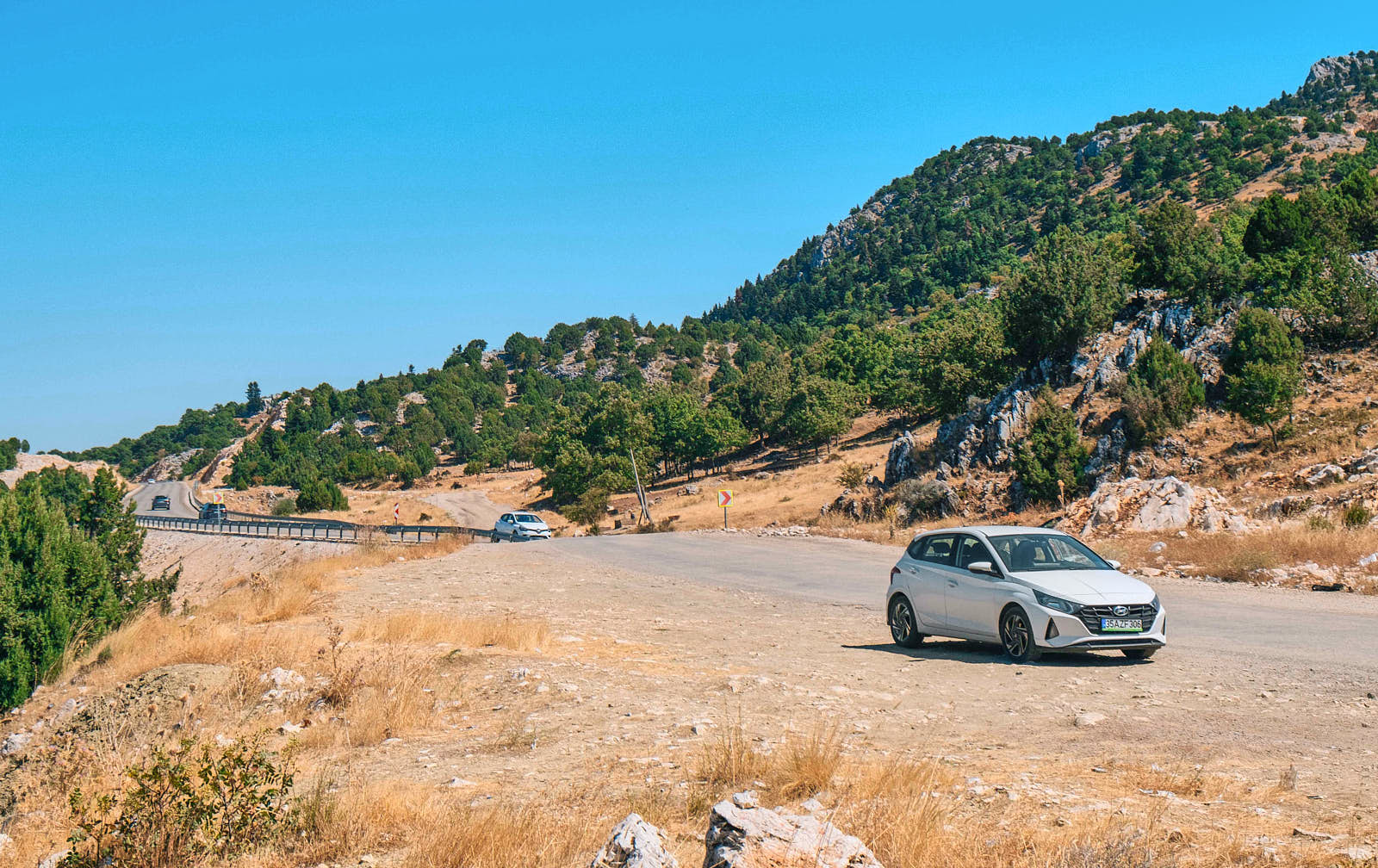
Three main options for renting a car:
Booking directly with an international giant — such as Avis or Europcar. Pros: large selection of vehicles, reliable customer support. Cons: the booking amount is charged immediately, and on arrival you may be asked to leave a deposit with a credit card.
A local rental office that you can deal with directly. Pros: you can get the best price, a credit card is often not required, and you can pay in cash. Cons: finding a trustworthy local rental company that hasn't been caught scamming tourists can take a while.
Localrent. This is an aggregator that works with carefully vetted local rental companies. Localrent has excellent customer support and good relationships with its partner offices. Our team uses only them for our own trips. Online reviews of Localrent are also positive. Pros: excellent support, minimal chance of problems, while the full rental cost and security deposit can be paid in cash. Cons: in rare cases it may be slightly more expensive than renting directly from a local company.
How much does it cost to rent a car in Türkiye in 2026
At the absolute peak of the tourist season, a car like a Renault Clio (automatic) can be rented from 37 euros (41.5 USD) per day. A manual transmission car without insurance is even cheaper — from 30 euros (33.7 USD). In the low season, you can rent a car from 15 euros (16.8 USD) per day through Localrent.
What driving licence do you need
To rent a car in Türkiye, you must be at least 18 years old and hold a valid national driving license with at least 1 year of driving experience. Your license must have a Latin alphabet; if it's not, you will need an International Driving Permit (IDP). A foreign passport is also required to rent a car, and in general it is best to keep it on you at all times.
Toll Roads
There are toll roads in Türkiye, though not many. The tolls are:
Edirne–Istanbul section — 168 lira (3.4 USD)
Istanbul–Ankara — 338 lira (6.84 USD)
Izmir–Aydın — just 73 lira (1.48 USD)
However, some sections are very expensive. For example, if you want to get quickly from Istanbul to Izmir, you will need to pay almost 2,500 lira (50.6 USD): 995 lira (20.1 USD) for the Osmangazi Bridge toll and almost 1,470 (29.7 USD) for the toll road itself. That said, everyone on it drives well above the permitted 120 kilometres per hour.
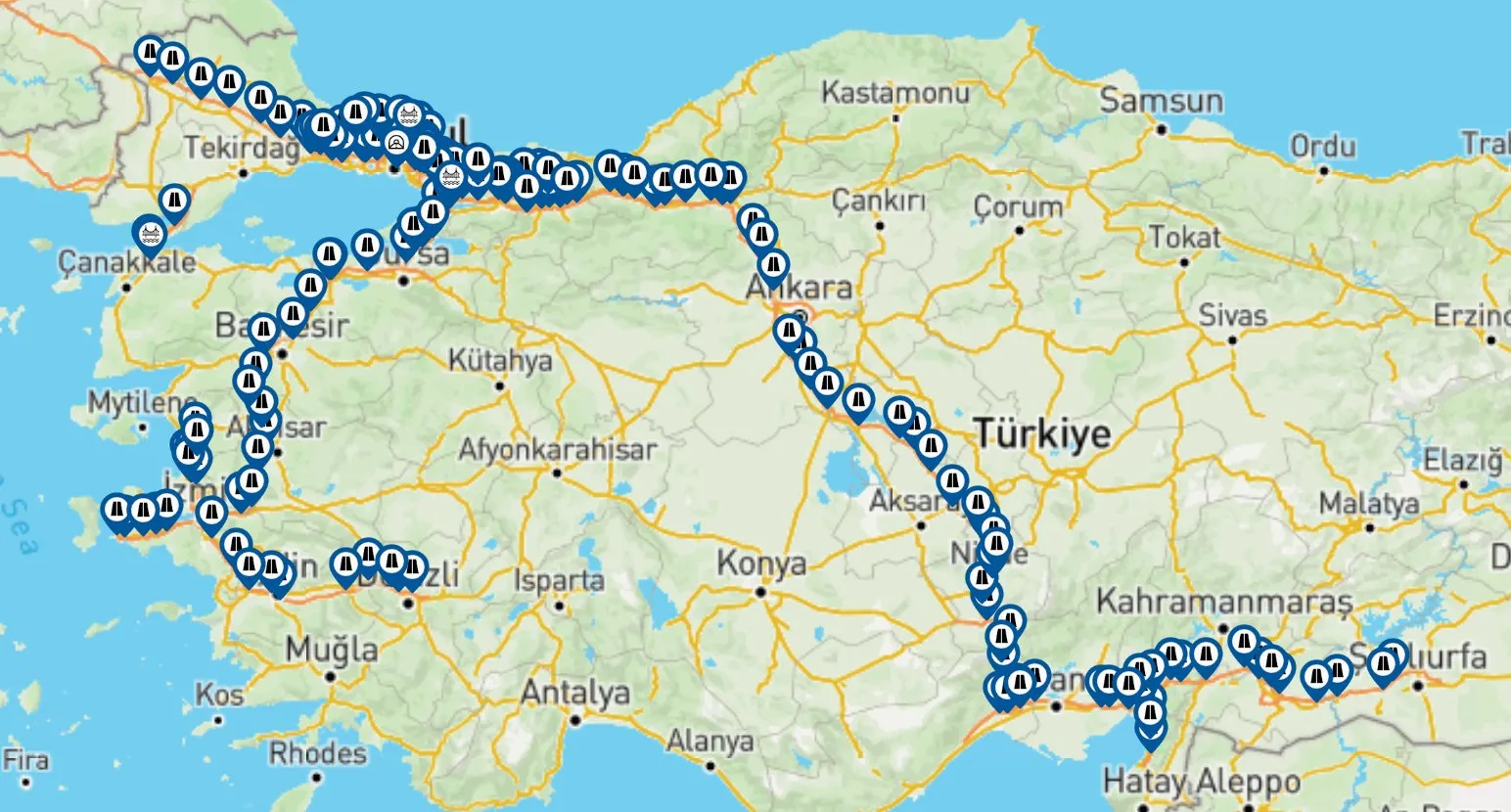
On most motorways, an HGS sticker is required to pay tolls. Rental cars usually already have one, but it is still worth checking with your rental company about the sticker. If there is none, you can pay the toll in cash or by card. Stickers are sold at offices located at motorway on- and off-ramps, or at any post office (PTT). When approaching a toll booth, you must slow down to 30 km/h and pass through the lane marked HGS.
Most often, when picking up a car in Istanbul, the sticker is included in the rental price and you need to pay a deposit of around 20 euros (22.5 USD), which will go towards paying tolls. Any amount above this limit will need to be paid when returning the car.
Traffic rules and driving style
If you have driving experience in Asia or Latin America, you shouldn't encounter any major problems in Turkey. However, there are some local quirks to be aware of:
In Turkey, drivers do not yield to pedestrians at crosswalks. If you brake for a pedestrian, everyone will be caught off guard — the driver behind you, who wasn't keeping a safe distance and didn't expect you to stop, and the pedestrians themselves, who are used to waiting until all the cars have passed. The result is that following the rules can actually cause a dangerous situation — illogical, but that's how it works. Pedestrians in Turkey can safely cross the road only at traffic lights. Although in city centers with slow-moving traffic the opposite can happen — pedestrians will dart out into the road anywhere. Stay alert!
Turks may calmly run red lights— especially where there are no cameras or police officers. Don't follow their example.
Overtaking. Turkey has many winding mountain roads, and local drivers are quite comfortable overtaking blindly and on bends. It's best to let such drivers pass and keep as much distance from them as possible.
Speed limits are treated as suggestions. If there are no speed cameras — their approach is indicated by EDS markings on the road surface — Turks will never stick to the speed limit. Even when passing through villages, cars will race along at 100+ kilometres (60+ miles) per hour. In traffic, it's safer to travel at the speed of the flow. When driving alone on the road, it's better not to exceed the limit. In rural areas especially, a dog or a child on a bicycle can dart out onto the road at any moment.
Road signs. Turkey uses international road signs, so there shouldn't be any difficulties. One exception: instead of the mandatory stop sign reading STOP, you may see its local equivalent with the word DUR. Tourist attractions are signposted with the standard brown directional signs.
Intersections. Regulated intersections in Turkey work differently from most of the world. In Turkey, the green light is given to only one of the four directions at a time, so all vehicles proceed without hesitation. For this reason, in cities we recommend always taking the leftmost lane, as Turks tend to block the right lane with double-parked cars or trucks, meaning you'll have to merge out of the right lane every two or three minutes during rush hour.
Safety. In the eastern part of Turkey, checkpoints on roads are fairly common, and even in cities you may encounter a military vehicle and armed security personnel. Tourists are usually not bothered, but your documents may be checked.
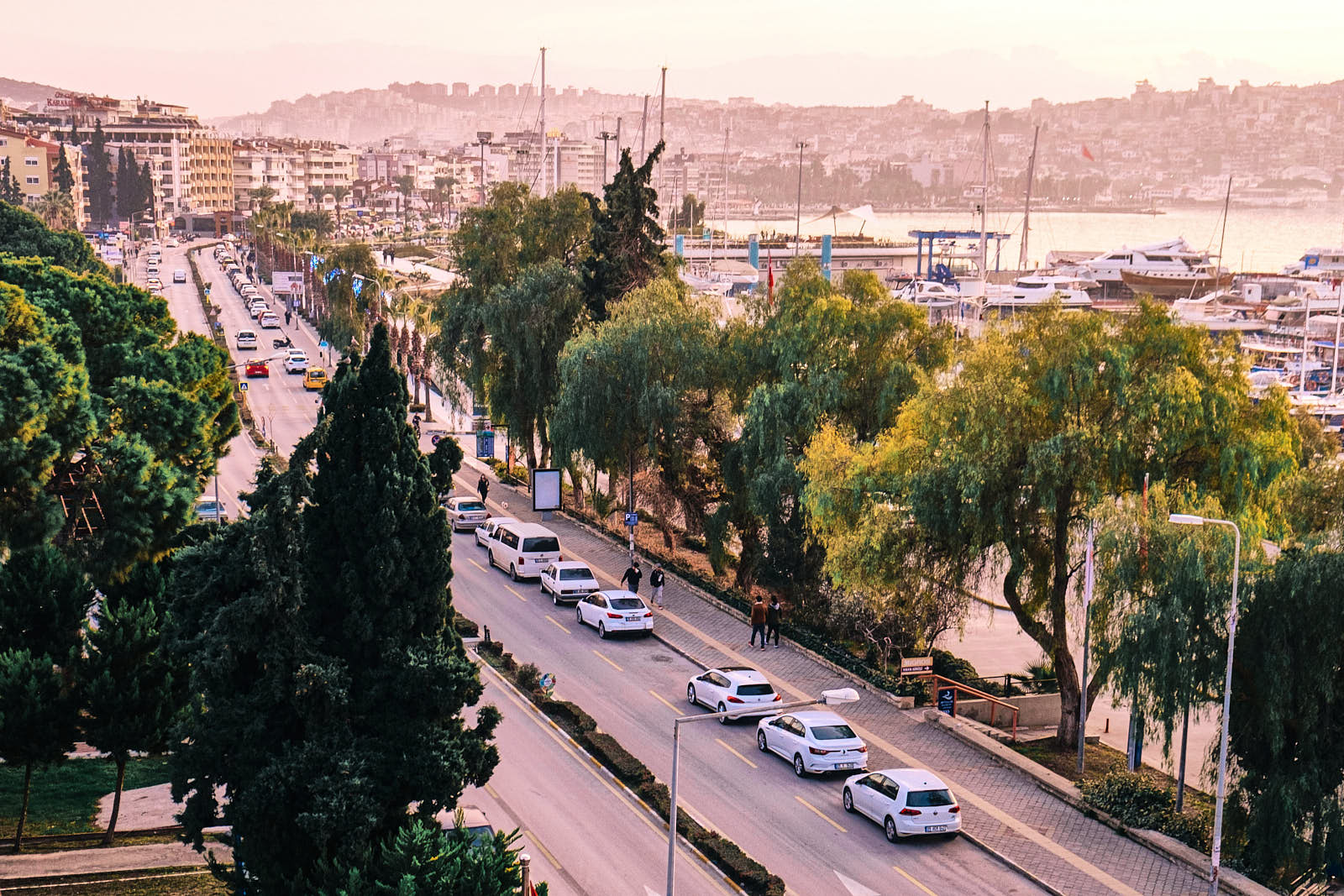
Where to fill up and how much petrol costs
In June 2026, petrol in Turkey costs an average of 62 lira (1.25 USD) per litre. 62 TRY per litre is about 235 TRY (4.75 USD) per US gallon. Current prices can be checked on the website of the Petrol Ofisi filling station chain.
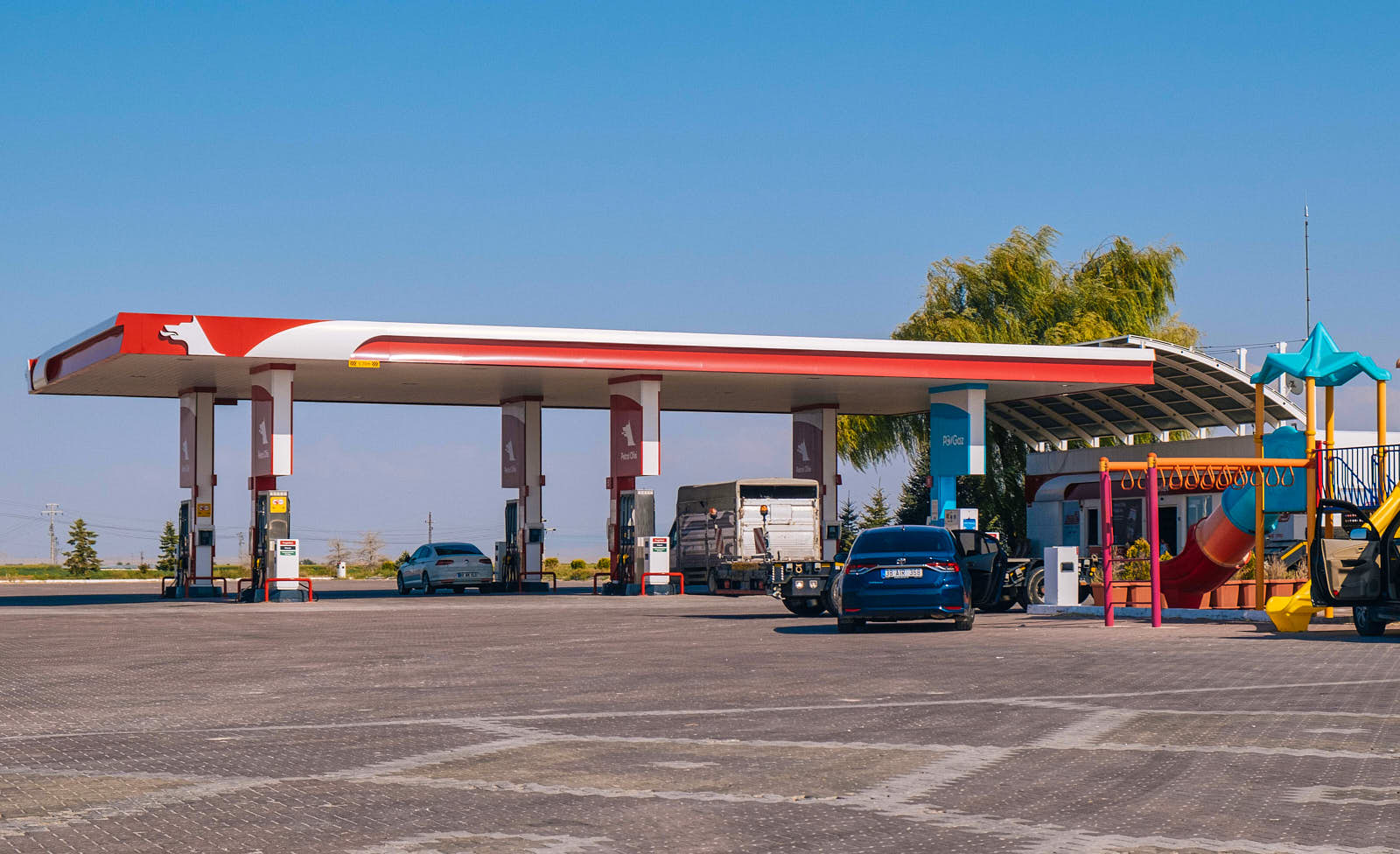
There are plenty of filling stations on all roads in Turkey. The largest chains are Opet and Petrol Ofisi among local brands, and Shell and Total among international ones. Major chain stations usually have a well-stocked shop, coffee, and toilets.
Turkish pump attendants don't speak English, but they do know the word "full." The word for gas/petrol in Turkish is — benzin — while diesel is called "motorin." Either way, it's worth double-checking that the attendant picks up the right nozzle. If they put diesel in instead of gas/petrol, that will be your problem to deal with.
Once the car has been filled up, you need to go to the cashier and pay, then hand or show the receipt to the attendant. Cash can usually be paid directly to the attendant. To speed things up, ask for a round-figure amount of fuel and pay in cash so the attendant doesn't have to run off to get change. The attendant may also clean your windscreen, but a tip is not expected for this service.
How to Pay for a Car Rental or Hotel
Car rental and hotel prices in Turkey are quoted in euros, because the exchange rate of the national currency changes constantly (always falling). Payment is made in liras at the rate on the day of booking. Make sure the rate corresponds to the official one. You can pay with Visa or MasterCard for almost anything, but most of the Turkish small businesses prefer cash and many will take US dollars and euros too.
Road trip routes around Turkey
The choice of route for a road trip around Turkey depends on your starting point. The main hubs will most likely be Istanbul, Antalya, or Izmir or Cappadocia (we recommend the Kayseri airport). But don't limit yourself to airports in these cities: wonderful trips can be organised by picking up a car in the northeast — in Trabzon or Erzurum — or in the southeast — Gaziantep or Diyarbakır. The main advantage of renting a car in Turkey is that a day's rental can often cost almost less than a taxi ride from the airport to the city. Taxis in Turkey are expensive, and airports are often located far from the city. For example, a trip from Antalya Airport to the Konyaaltı area costs from 1000 liras (20.2 USD). And for a trip to Kemer, Side, or other resort areas of the province, the price can be above 3,000 liras (40.4 USD).
To avoid parking problems, it is best to book hotels with parking or accommodation on the outskirts of cities — if, of course, you are only planning to spend the night and not explore the city on foot.
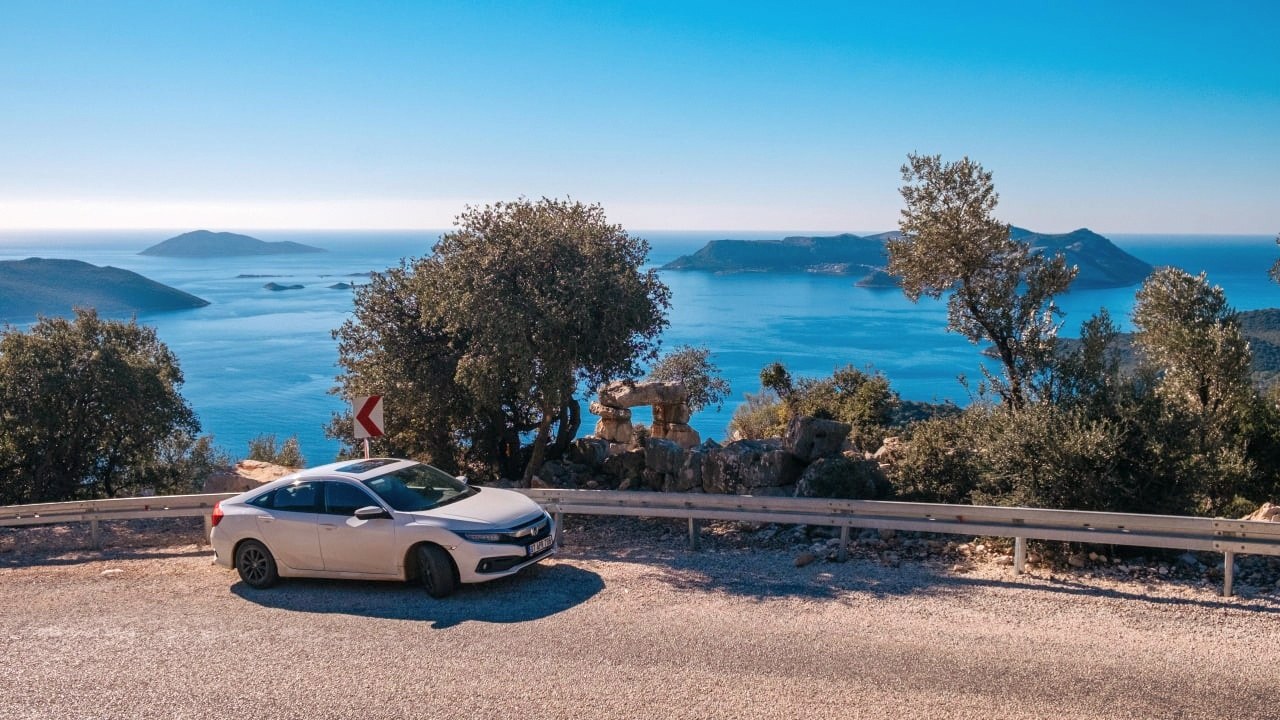
Circular route from Antalya for 10–14 days
Approximate itinerary by day:
Day 1. Antalya → Sivri Dağ Park → Göynük.
Days 2–4. Göynük → Kemer → Çıralı Beach → Kaleüçağız → Kaş.
Days 4–6. Kaş → Saklıkent Gorge → Tlos ruins → Fethiye.
Days 6–7. Fethiye → Ölüdeniz → the ghost town of Kayaköy → Göcek.
Days 7–8. Göcek → Marmaris → Söğütköy.
Days 8–10. Söğütköy → Akyaka → Bodrum.
Days 10–12. Bodrum → Kuşadası → Ephesus ruins.
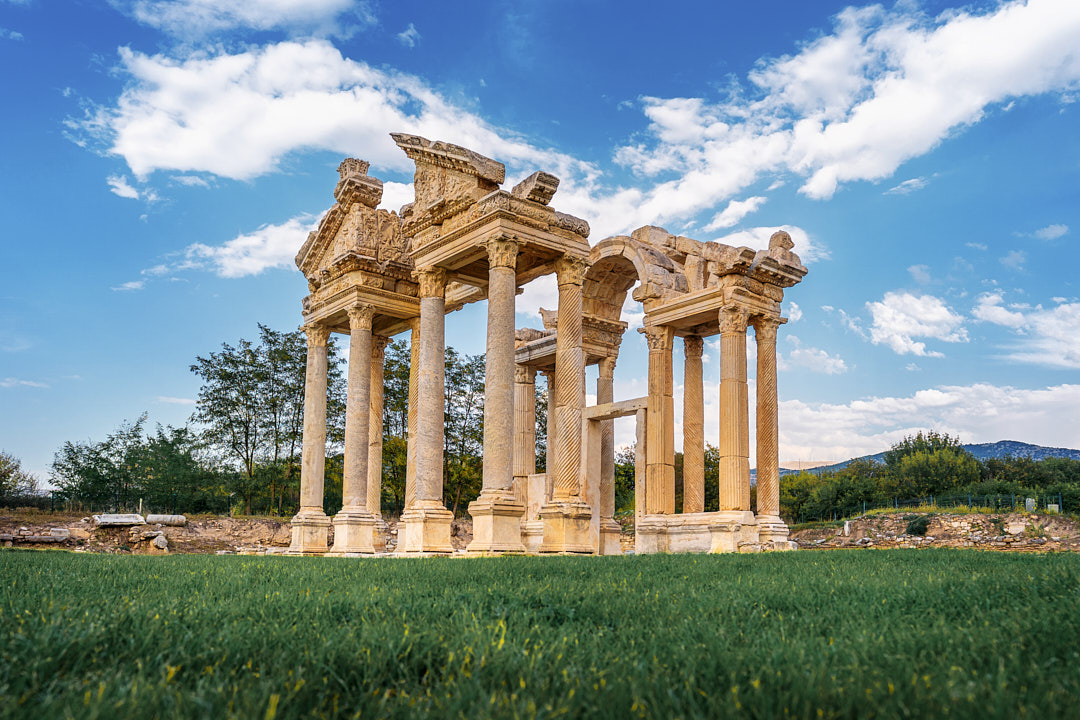
Day 13. Ephesus ruins → Pamukkale → Laodicea ruins → Denizli.
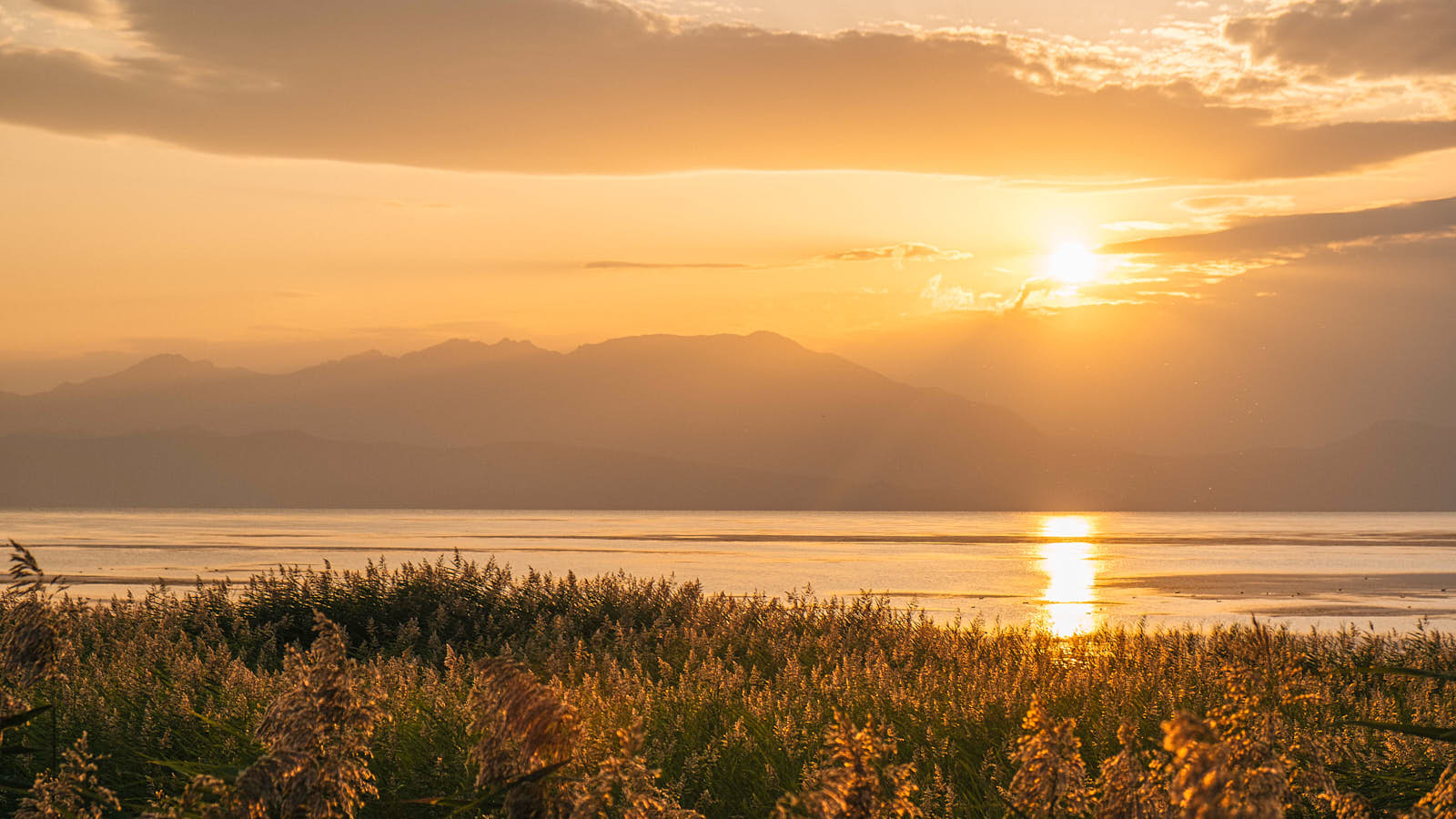
Day 14. Denizli → Lake Salda → Antalya.
The southwestern coast of Turkey is rich in attractions: ruins of ancient cities, great beaches, and national parks with stunning views. The main rule on this route is not to rush. To achieve this, drive no more than 200–300 kilometres per day, stop frequently at viewpoints, linger in some towns for two or three days making short day trips to the surroundings, or simply soak up the relaxed Mediterranean vibe. Here are the key towns on this route where you can spend the night — ideally two or three: Antalya, Kaş, Fethiye, Marmaris or Bodrum, Kuşadası or Izmir, Denizli. We will now look at each of them in more detail.
Antalya
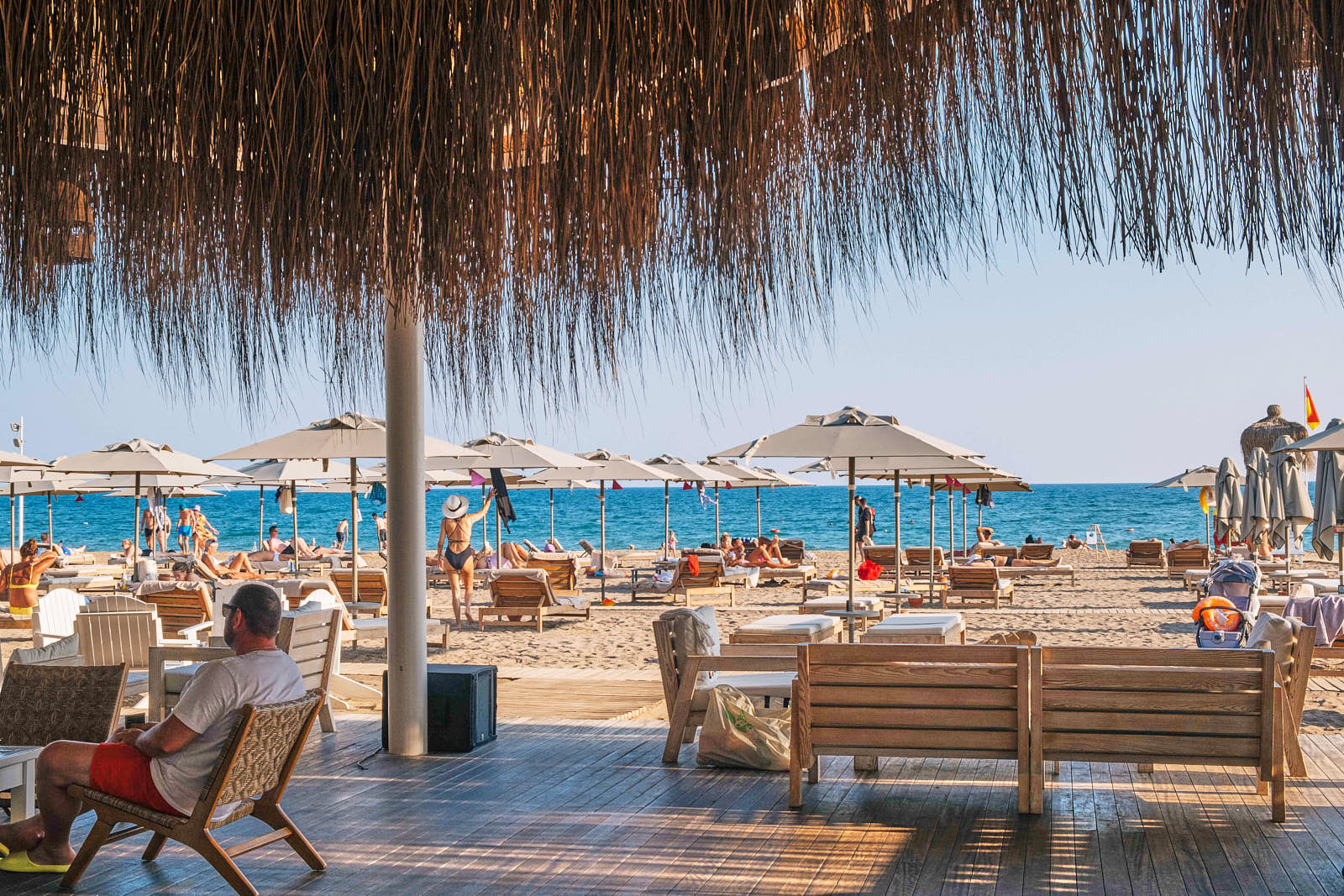
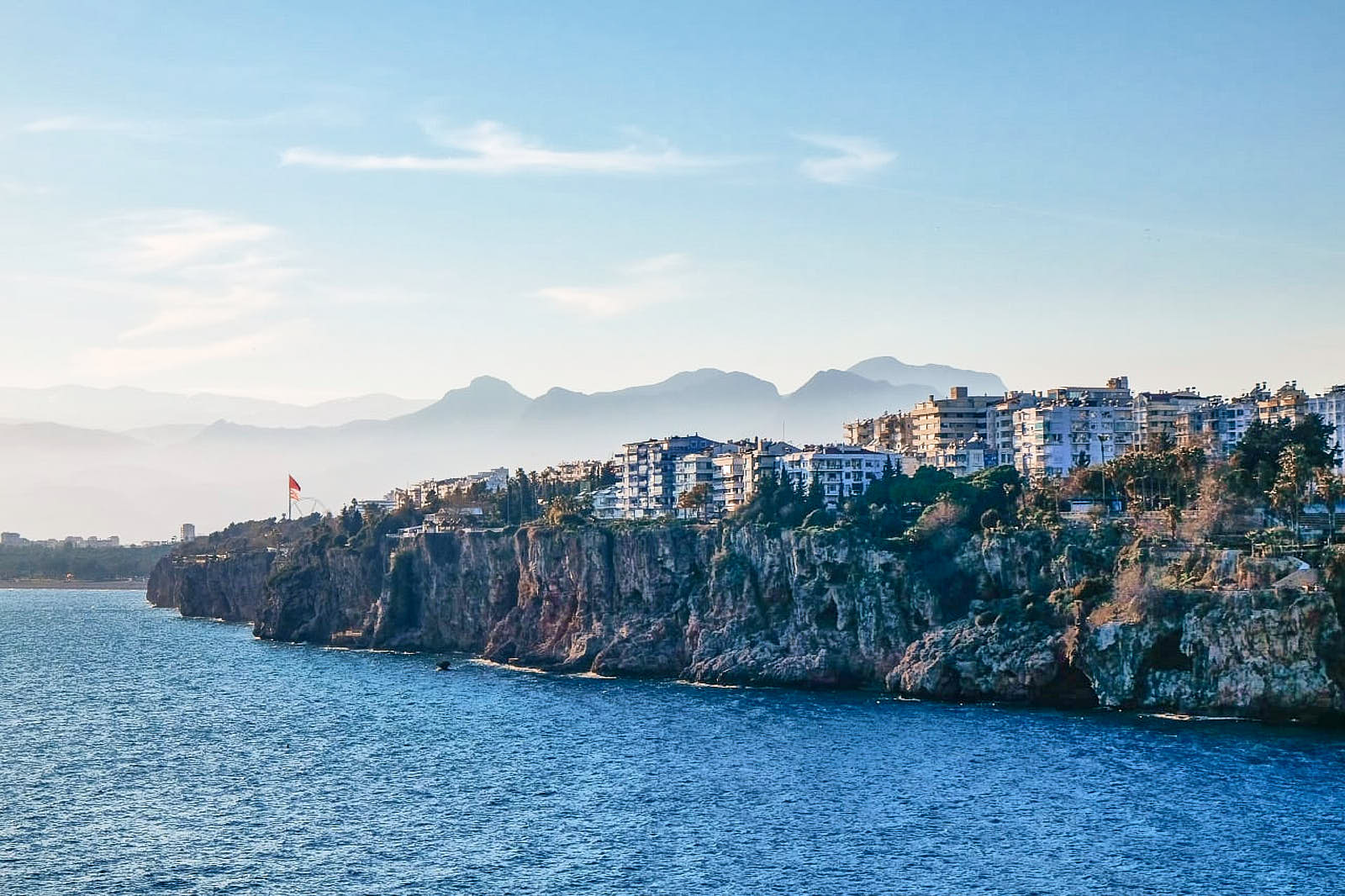
Antalya is the most convenient starting point for a trip along Turkey's southwest. Flights arrive here from many cities in Europe. A good idea is to stop for two or three days before the road trip to acclimatise and gradually ease into the Turkish way of life.
One day can be devoted to excursions into the mountains near Antalya, with several more days to explore the city itself. Most of the buildings in the historic centre have been restored. Surprisingly, many of them are timber-framed. Dozens of restaurants, bars, and souvenir shops are housed here.
Where to stay.
DoubleTree by Hilton — a chain hotel in the city center with its own underground parking. Just a short walk from the large Mark Antalya shopping center.
Residence Inn by Marriott is within walking distance of the center; a night costs 70 euros (78.6 USD). Here are a couple of good options in the Old Town, within the fortress walls — Belmondo Suites and Dumos in a historic building. Both hotels cost around 50 euros (56.1 USD) per night.
White Garden is also housed in a historic building, and there's one important detail: the hotel only accepts guests aged 18 and over. A night starts from 90 euros (101 USD).
For a large group, it's more economical to rent an apartment in the Konyaaltı neighborhood (if you're heading west) or Lara (if you're heading east).
Casamax Suites — an apart-hotel in a new building located in Konyaaltı; a night costs 60–70 euros (67.4 USD–78.6 USD).
Another option in Konyaaltı is Sealife Lounge. Guests under 18 are also not accepted here. A night costs 90 euros (101 USD).
Stile Suite Marine is just one kilometer from the beach and costs a little less than the other options — 50 euros (56.1 USD) per night.
Here are a couple of options in Lara, no more than one kilometer from the beach: Z-Suites — 70 euros (78.6 USD) per night, Oli Hotel and Suites — 70 euros (78.6 USD) per night.
Many rental companies can deliver the car directly to your hotel (Localrentdefinitely offers this option).
Food and drink. For a fish sandwich snack — head to Çıtır Balık; for mussels with rice or Turkish chicken pilaf — to 07 Midye; for specialty coffee — to the third-wave coffee shop The Sudd — with locations in the center and in the Konyaaltı and Lara neighborhoods — or Kaizen Speciality. In Konyaaltı there is also a local roasters' café Homestead with an unusual building design that is partly made from shipping containers. Inside it's very cozy, bright, and the coffee is delicious.
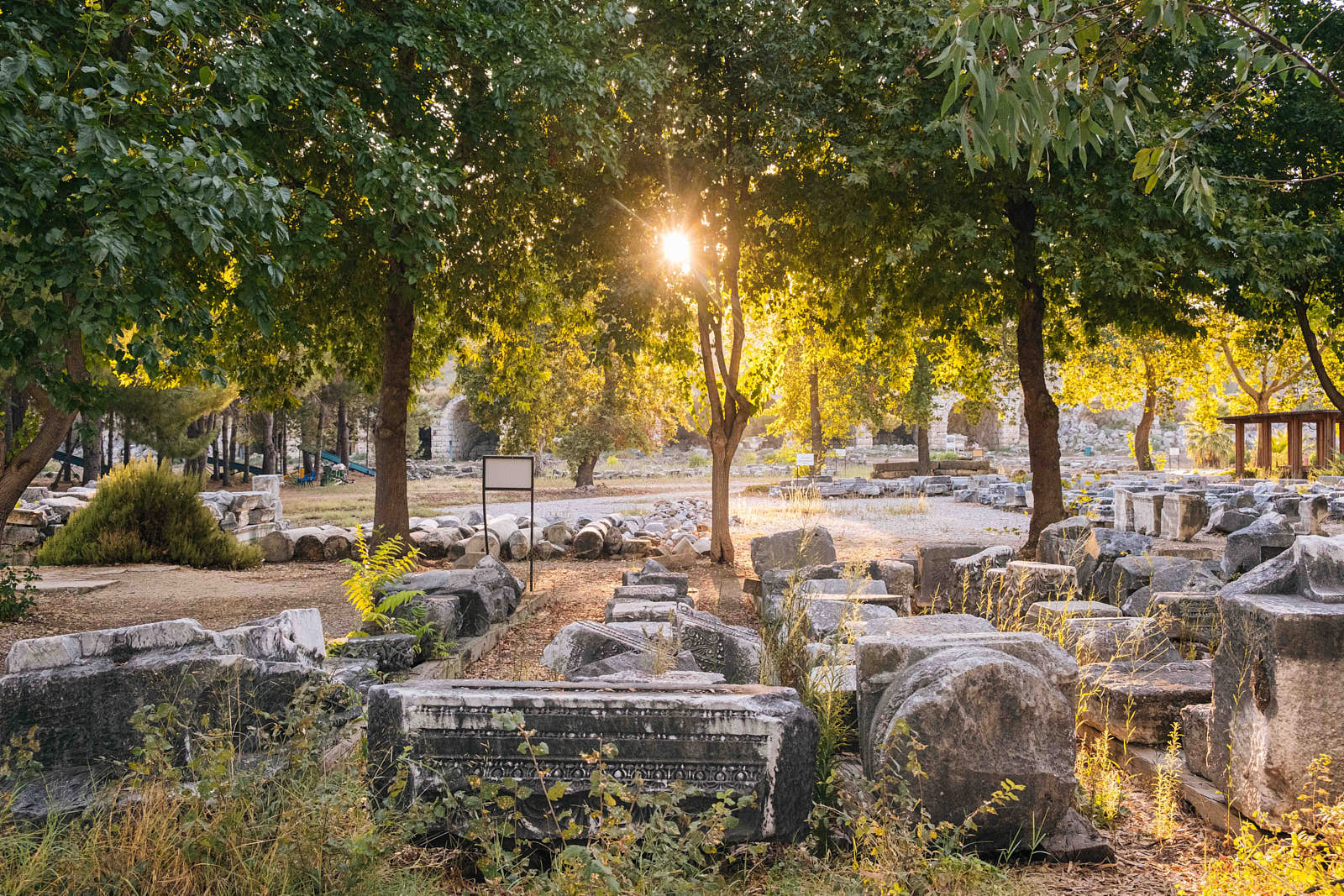
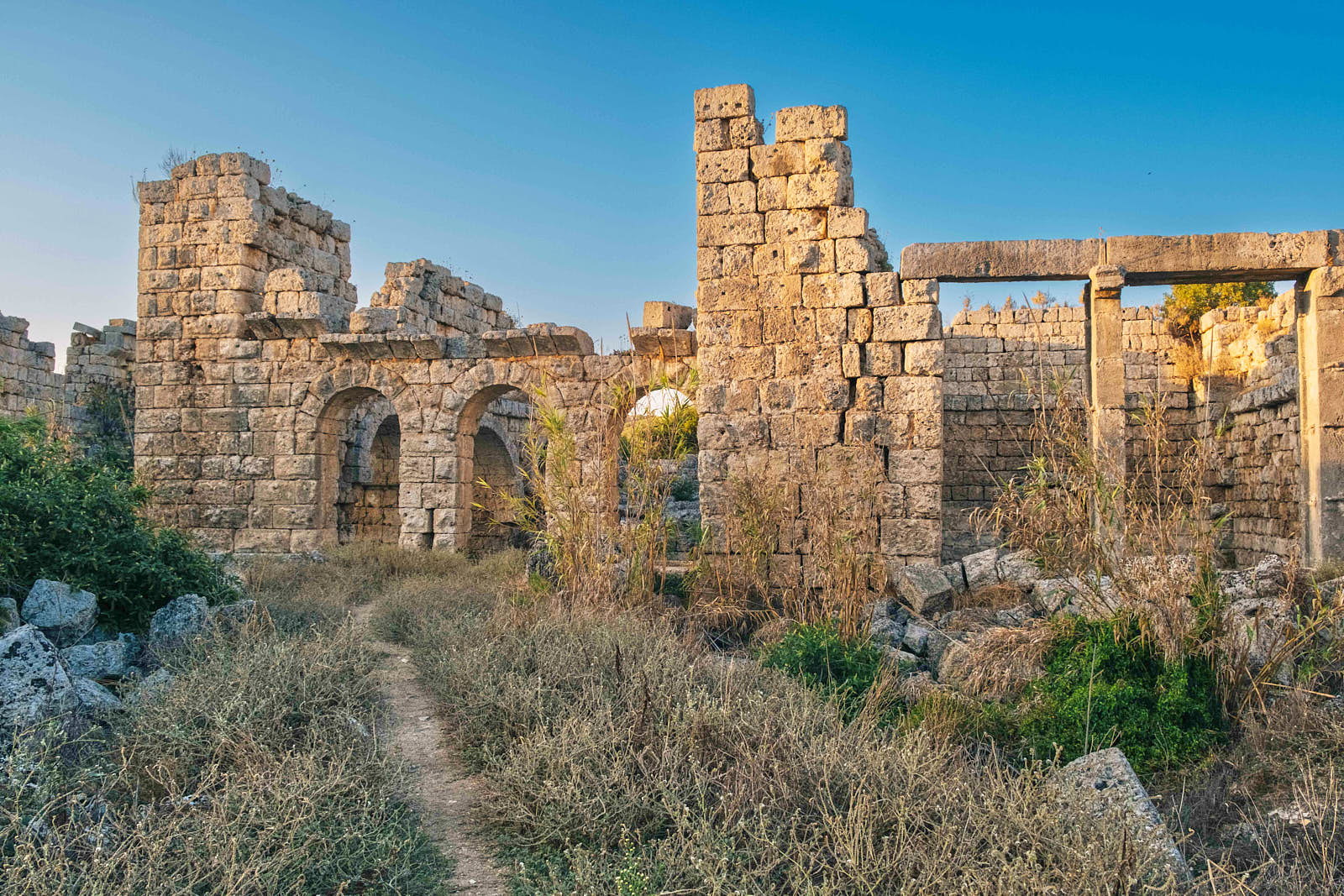
Day trips. From Antalya you can head out to interesting places every day and return for the night. We recommend visiting the national park Köprülü Canyon, the ruins of Aspendos, the village of Ormana and Altınbeşik Cave, Düden Waterfalls, Kurşunlu Waterfalls, the ruins of the ancient city of Perge.
Sivri Dağ National Park
This large national park to the west of Antalya has dozens of kilometers of hiking trails, including the start of the Lycian Way, which we covered in a detailed article. Sivri Dağ is home to world-famous spots for climbers (for example, Geyikbayırı), ruins of ancient cities (Tipalia, Onobara, Neapolis, Kelbesos) and a dozen villages with delicious gözleme spots and even boutique hotels.
Göynük
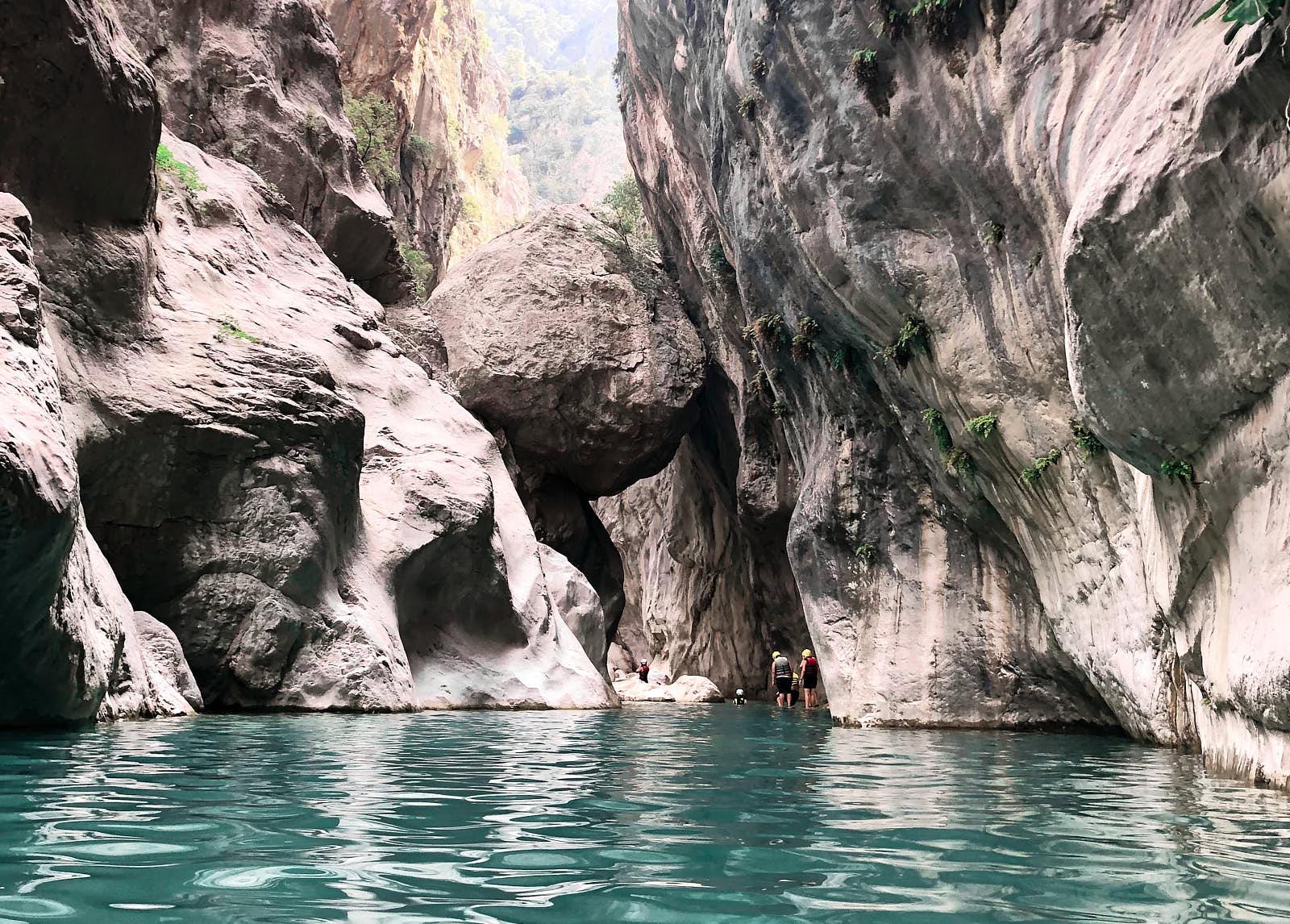
Göynük Canyon is situated on a plain known for its pomegranate and orange orchards. The plain is surrounded by the Bey Mountains, where a small mountain river originates and has carved out the canyon. Entrance costs five euros (5.61 USD). In season, rafting is organized there — around 25 euros (28.1 USD) per person — and a zip line ride is available for 25 euros (28.1 USD).
Where to stay. Seven Seas — for those who love all-inclusive resorts, this is an option to spend a couple of days relaxing and doing nothing, lounging on the beach and eating your fill at the buffet. A night costs 150 euros (168.4 USD).
Kemer
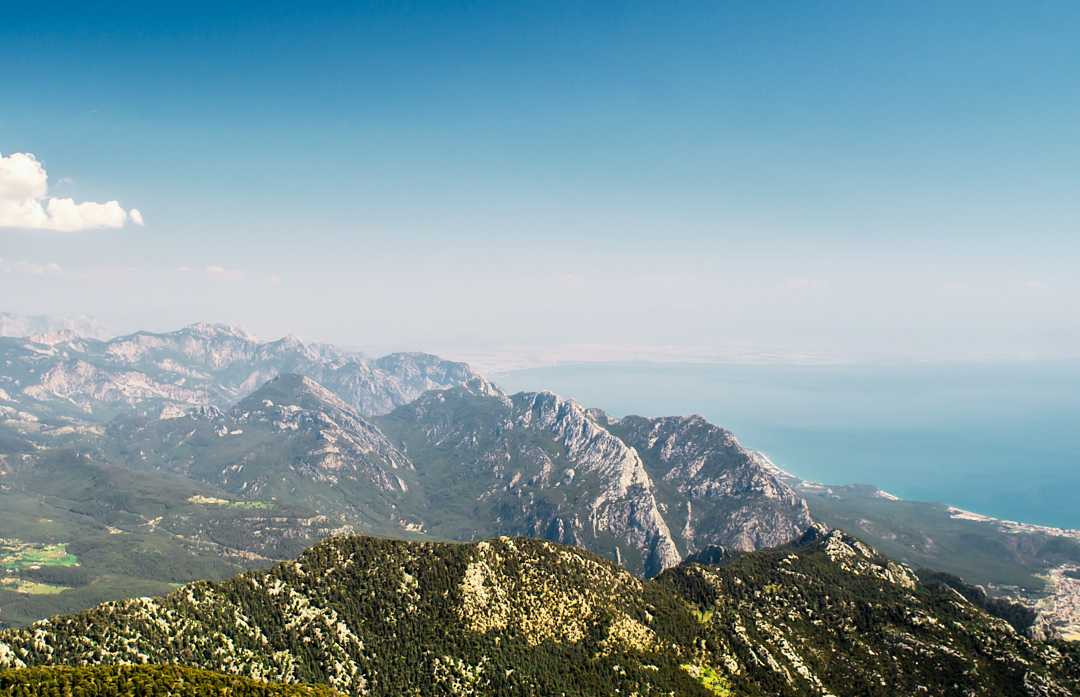
Kemer is a town that lives entirely off tourism — and is particularly oriented toward Russians and Germans, as most package tours are sold to this destination. Very close to Kemer lie the ruins of Olympos and Phaselis, as well as Beldibi Cave. And of course, the mountains.
The Olympos Cable Car (Olympos Teleferik) goes up Mount Tahtali. A round trip costs 1,445 lira (29.2 USD). Before buying a ticket, check the weather via the live camera, because cloud cover or fog can completely obscure the view.
Where to stay. Miyas Luxury and World Cities Residence are two small boutique hotels in the center of Kemer, from 55 euros (61.7 USD).
Çıralı
Çıralı beach is picturesquely framed by the Taurus Mountains. The beach has excellent camping spots, and many visitors stay there in tents before or after hiking the Lycian Way. In recent years the village has developed considerably: comfortable boutique hotels have appeared among orange groves, along with decent cafés and small shops. On the far edge of Çıralı lies Mount Chimaera. Day and night, natural gas burns on the mountain, flickering and flaring in different spots along the slope. The sight is utterly mesmerizing, especially after dark. It is believed that gas has been burning here for several thousand years. Admission to Chimaera costs 60 lira (1.21 USD).
From Çıralı beach you can walk to the ruins of Olympos. These ruins are not as impressive as Ephesus, and admission costs as much as ten euros (11.2 USD). You can bring a packed lunch and enjoy a scenic picnic overlooking the ruins and the mountain stream.
Where to stay. Lukkies Lodge features small green wooden cottages with the feel of a grandmother's country dacha. A night there costs 60 euros (67.4 USD). However, they are situated on an elevated spot, away from the beach. By contrast, Kara Kedi is beachfront bungalows with a private beach. A night will cost you 85 euros (95.4 USD). Cirali Hera is a villa complex surrounded by palm trees and flowering shrubs. A night costs 110 euros (123.5 USD). Cirali Hestia Lodge offers secluded manor-style accommodations with spacious rooms and generous, very green and cozy grounds — from 185 euros (207.7 USD) per night. Keyif Pension & Aparts consists of two small two-story buildings with spacious rooms, set practically in the middle of a forest. A night at the hotel starts from 80 euros (89.8 USD).
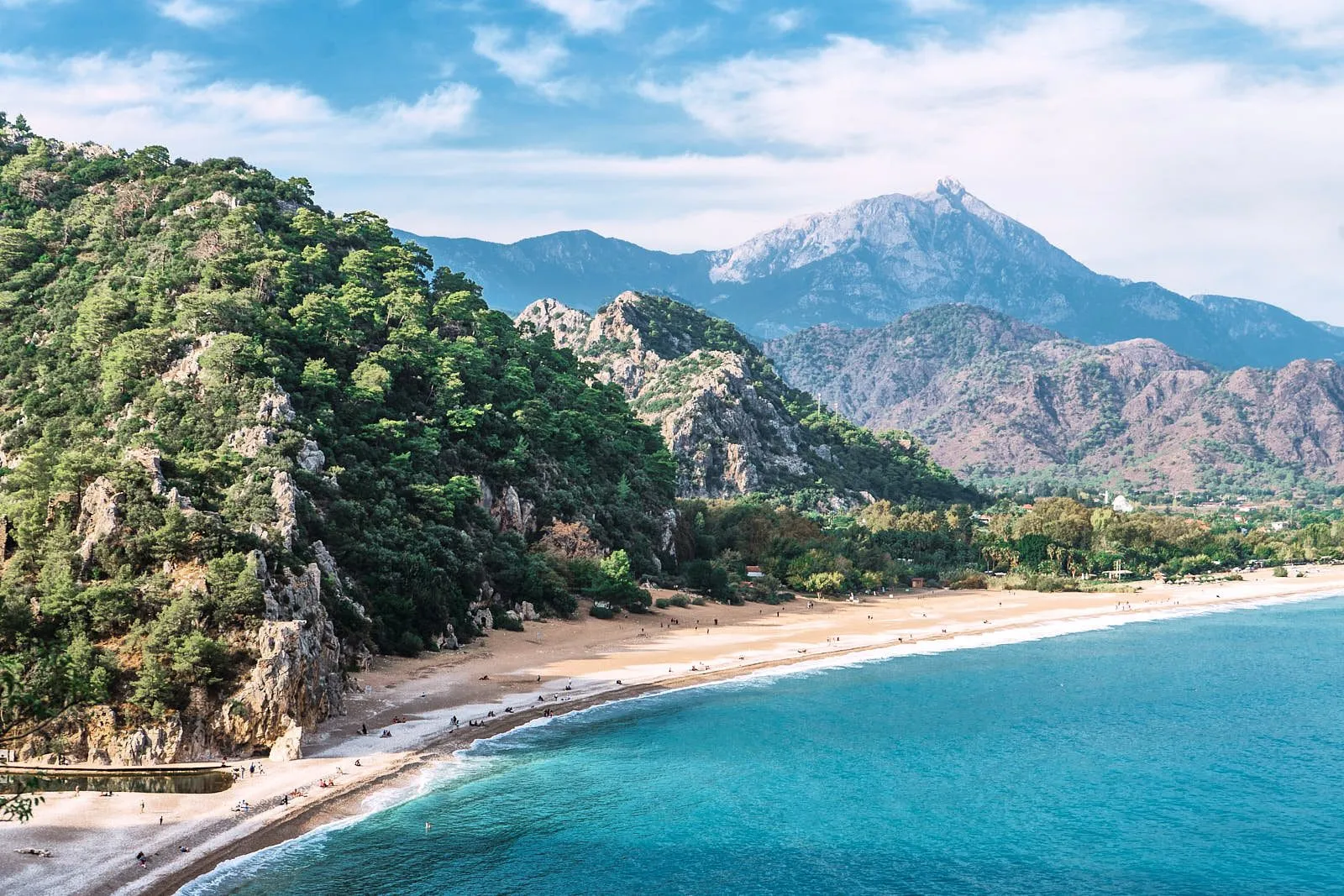
Demre / Kekova
About 30–40 kilometers east of Kaş, a dozen or so attractions are clustered compactly along the coast — enough to explore for a whole week. We'll go from east to west, on the route from Antalya to Kaş:
The small ruins of Issiuma in Köşkerlere.
Rock-cut tombs and ruins of the ancient city of Myra in Demre.
Museum of Lycian Civilization on the outskirts of Demre.
Kekova Island and countless bays (for example, this one).
The village of Kaleüçağız, where you can book a boat tour around the bays.
Where to stay. Hotel In Suit in Kemer — from 180 euros (202.1 USD) per night, or Hoyran Wedre Köy Evleri in the mountain village of Kapaklı — from 150 euros (168.4 USD).
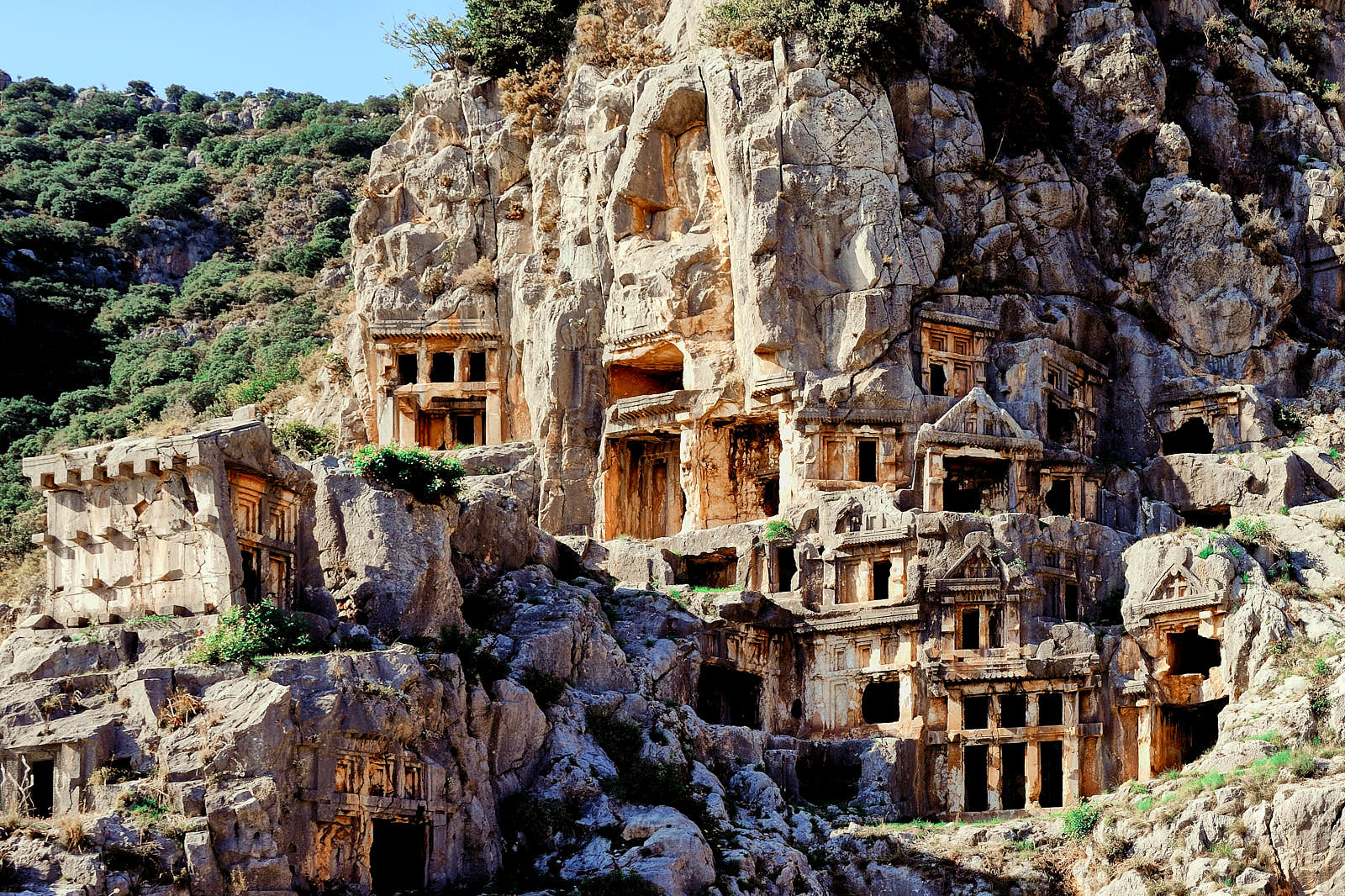
Arykanda
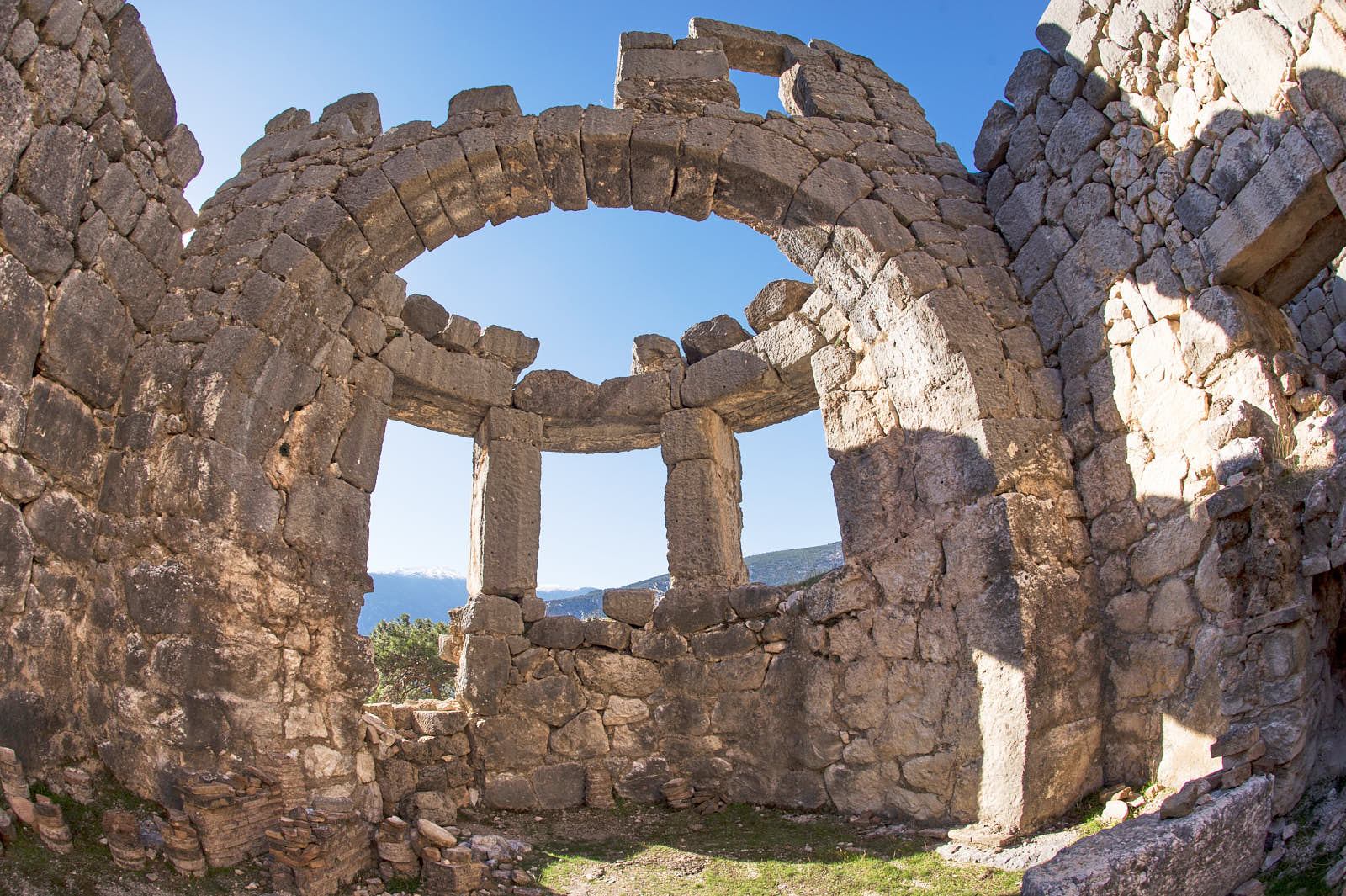
Arykanda is a Lycian city from the 5th century BC, and today it is the ruins of an ancient city from the Hellenistic and Roman Imperial periods. In our editorial opinion, of all the archaeological sites (Xanthos, Letoon, Patara, Myra), Arykanda is the most impressive.
The overall structure of the city is remarkably well preserved here — not just isolated monuments — so you actually walk the streets past bathhouses, homes, squares, amphitheaters, a stadium, and tombs. There are three large mosaics. Even if photos make it look like a pile of stones, in person everything comes to life vividly. The surrounding scenery is stunning too — cliffs, pine trees, and snow-capped mountain peaks. Admission to Arykanda is free.
Kaş
From Antalya to Kaş it is only three to four hours by car, but the journey can easily take a full day. Not because of the road condition — it is excellent (though with plenty of winding sections) — but because of the concentration of great attractions along the way: Göynük Canyon, the ruins of Phaselis and Olympos with a nearby beach, the ancient city of Myra in Demre, and not far from there, Simena Castle with its small tourist village. It is tiny, but our editorial team recommends spending one night there at a guesthouse if you have the time — for example at Teras Paradise or at Ankh Pansiyon.
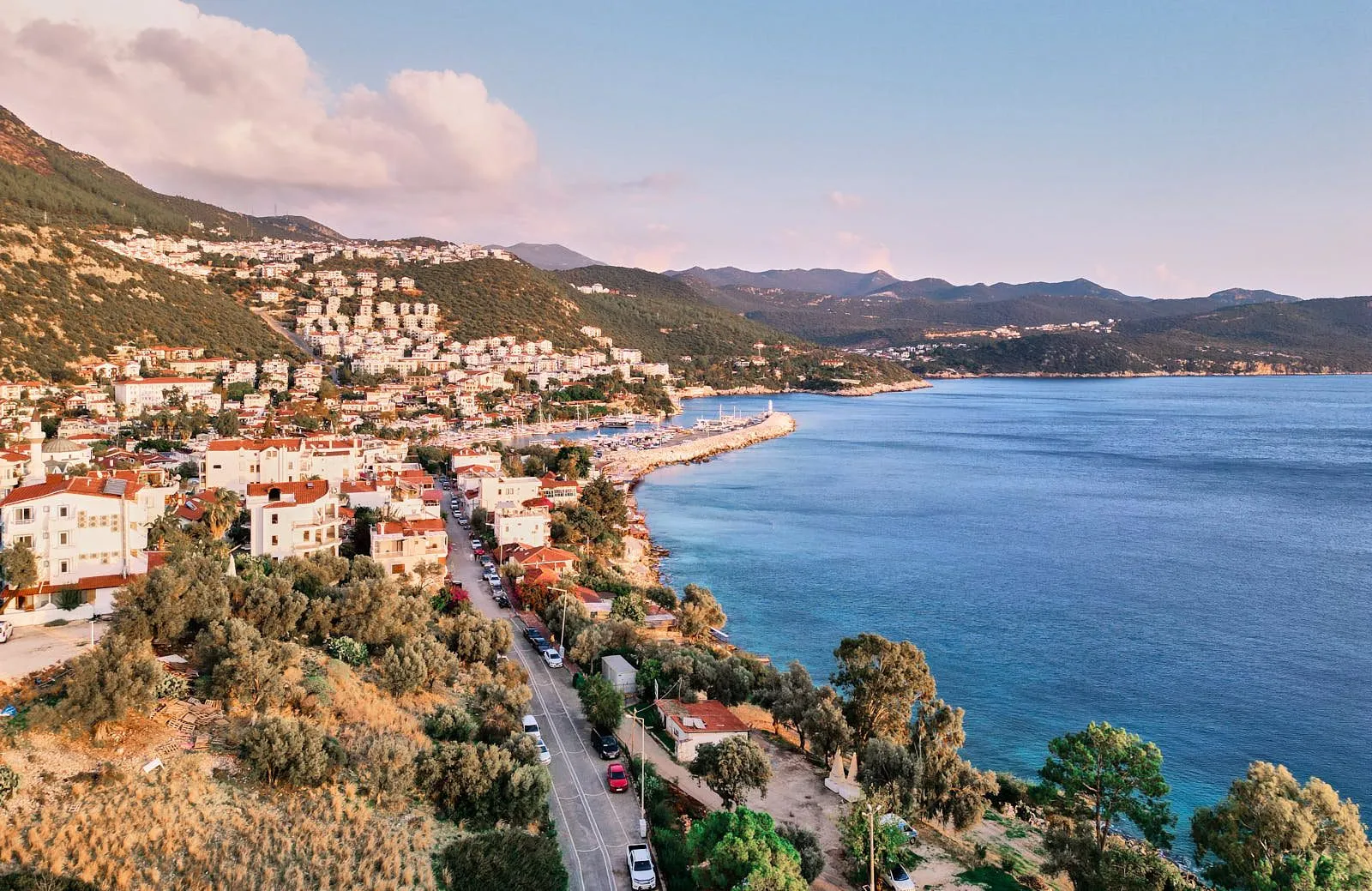
Kaş is a cozy little town that was barely known to foreign tourists before the pandemic. People love it for its narrow streets and charming center with a strong Greek influence, its hilly terrain with great views, an amphitheater where it is lovely to watch the sunset with a bottle of Efes, and a harbor with countless boat excursions. In recent years Kaş has become a large co-working hub for Russians and Ukrainians, yet the city has not lost its charm. Thanks to its hilly layout, Kaş is also an excellent training ground for runners and triathletes.
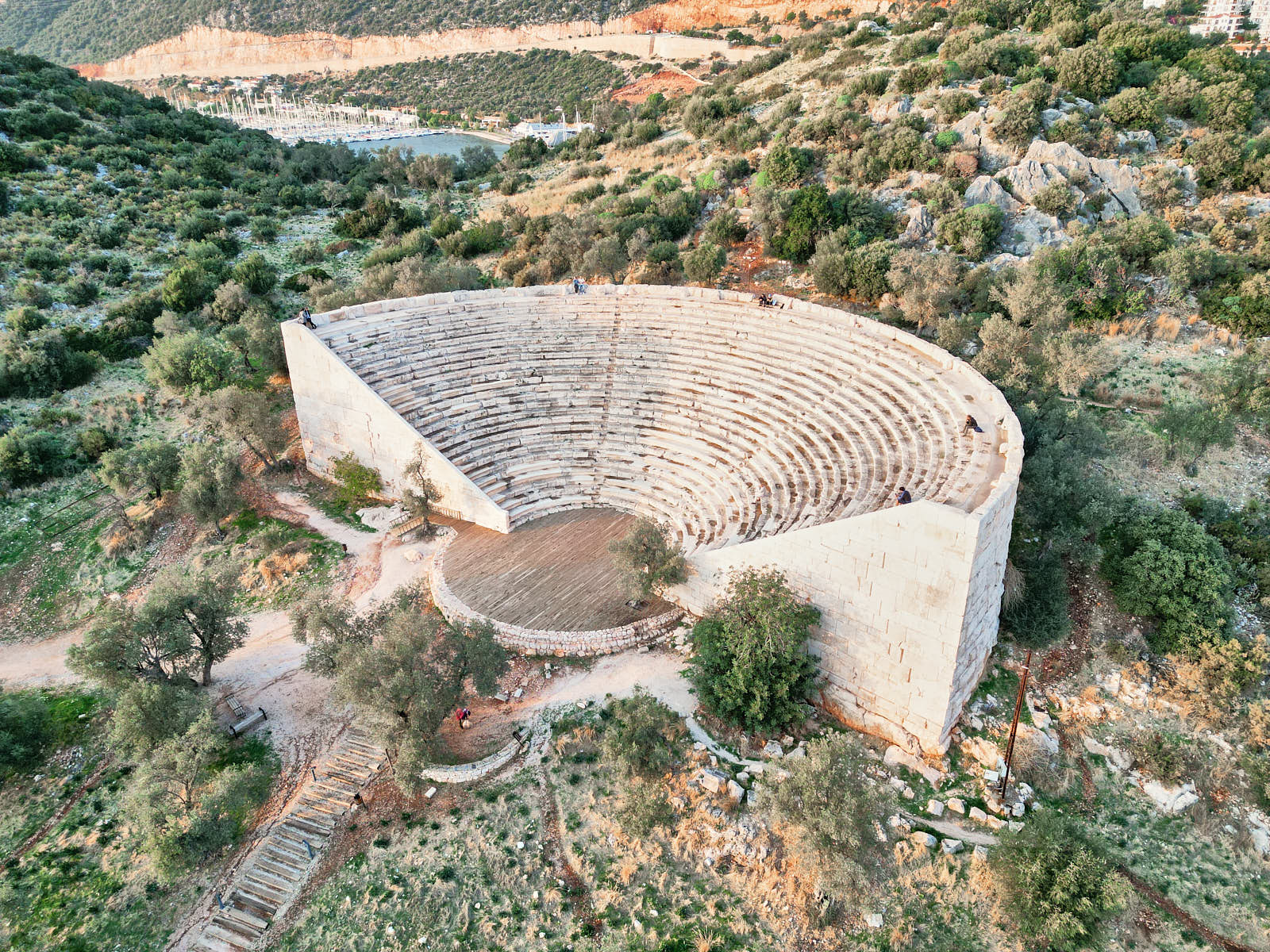
Where to stay. Kaş has several accommodation options — the town center, the Çukurbağ Peninsula, and the Çerçiler neighborhood up on the hill, which is inconvenient on foot but ideal for road-trippers. It offers great views over the town, bays, and nearby islands, and accommodation there is cheaper than in other parts of town. Street parking at properties in that area is no problem. In the town center it can be trickier, but you will most likely still find a spot.
Two good boutique hotels in the center are Luff and Melissa Boutique. They have stylish rooms, Instagram-worthy breakfasts, and staff who speak English well. A room at Luff starts from 80 euros (89.8 USD). At Melissa — from 110 euros (123.5 USD). Lantana Aparts offers a great view over the town center and the Greek islands, Bossa Nova is conveniently located in the center, yet you cannot hear the noise from the main street or music from the bars, and supermarkets and vegetable stalls are just a couple of minutes away on foot.
Food and drink. For coffee — Mama Afrika, Godo, N8, Coflow. For lunch and dinner — Ege, Noel Baba, Lily's Corner, Spagettici, the patisserie Nur or Dessert Shop, for vegans and vegetarians — Oburus Momus, for simits and böreks — Simitçim.
Fethiye — Kaş
On the way from Kaş to Fethiye it is worth stopping for at least five minutes at Kaputaş Beach — one of the most scenic in Turkey, though in peak season it gets quite crowded. Beach entry costs 100 lira (2.02 USD). Another beach, Patara, stretches for 18 kilometers and even has sizeable sand dunes. Nearby, the ruins of the same name are well worth a visit, though the entrance fee is unjustifiably steep — 750 lira (15.2 USD).
The route is conveniently planned through Saklıkent Canyon and the Gizlikent Waterfalls, as well as the ruins of Tlos, Xanthos, and Letoon (UNESCO-listed sites). Kadyanda (18 kilometers from Fethiye) — ruins of an ancient city (2,500 years old) with an amphitheater, remains of baths, an agora, a temple, and rock-cut tombs.
Even a long summer day will not be enough for everything. The Kaş–Fethiye stretch is one of the most interesting and attraction-packed sections of the entire route.
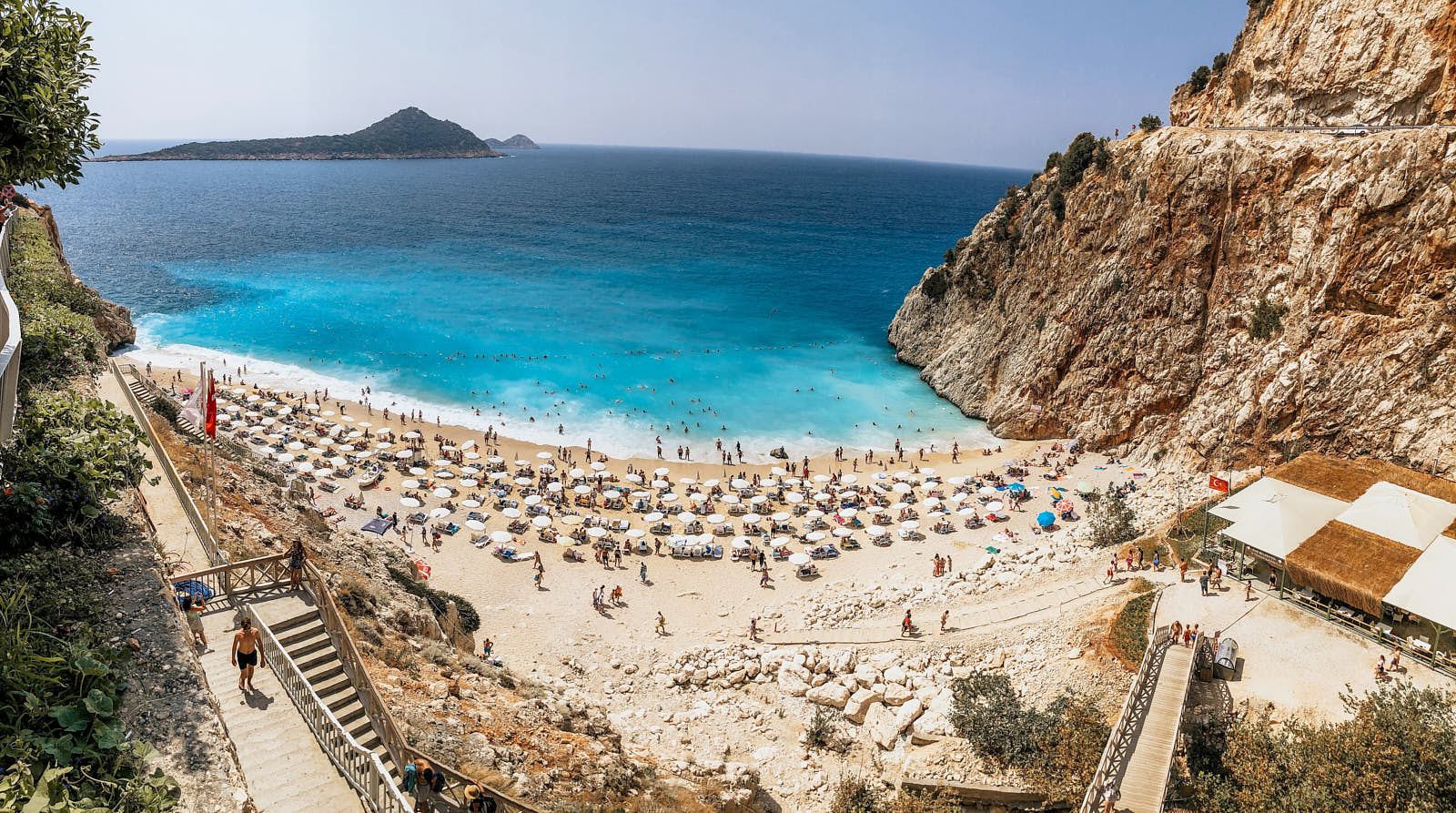
Fethiye
In Fethiye you can stroll along the long promenade, see the rock-cut tombs of the ancient city of Telmessos, and visit the amphitheater. Or take a short hike to the abandoned Greek village of Kayaköy and the ruined Afkule Monastery. Alternatively, you can spend the whole day sunbathing and swimming at Çalış Beach.
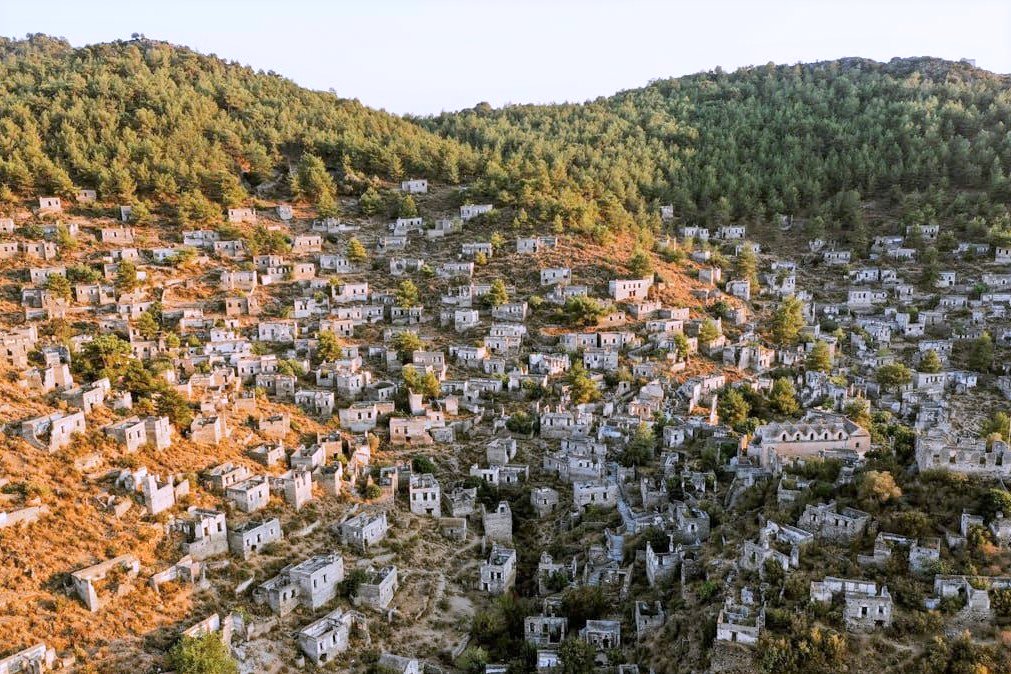
Where to stay. Fethiye stretches for dozens of kilometers along the sea, with a city promenade running the entire length. We've picked the best hotels just a couple of minutes from the water and beaches:
Perle House — bright rooms with en-suite bathrooms, 50 euros (56.1 USD) per night.
Skykhan — solid three stars, private pool, and a couple of minutes to Çalış Beach — in a quiet neighborhood on the outskirts of Fethiye, 50 euros (56.1 USD) per night.
Nakas — an apart-hotel with compact kitchenettes, convenient for families with children, 100 euros (112.3 USD) per night.
Yacht Boheme — spacious rooms, lots of wood, and high-quality finishes and interior details, 100 euros (112.3 USD) per night.
Yacht Classic Hotel — generous rooms and sea views, 135 euros (151.5 USD) per night.
Things to do with children. If you're traveling with children, be sure to visit Şehit Fethi Bey Park. The entire park is one giant playground for children of all ages. After a full day in the car, your child will have every chance to burn off all their energy here.
Where to eat and drink. Paşa Kebap (menu) — a cult kebab spot, Gogo the Eatery(open in season only) — Turkish and European cuisine, No 48 Coffee — local coffee roasters, Not in Paris — avocado toast, coffee, and cocktails with a French vibe.
Ölüdeniz and Kayaköy
Ölüdeniz, near Fethiye, is the starting point of the Lycian Way — a 530-kilometer trekking route. It runs right along the Mediterranean coast and ends in Antalya. You can choose any section that appeals to you and go on a one- or two-day hike. Ölüdeniz is also known as the best paragliding spot in Turkey. Someone launches from the nearby Mount Babadağ every minute, while others land on the town promenade. The price is around 140 euros (157.2 USD), and you can book a flight right on the promenade, though it's better to do so in advance via WhatsApp or a website (we recommend the companies Dragon Paragliding and Fly Laputa).

Göcek
Göcek is a town of five thousand people with six large marinas. It has become one of the centers of yacht tourism in Turkey. The waterfront is well maintained, the restaurants are good, the boutique hotels are upscale, and there's a laid-back atmosphere shaped in part by the sailing crowd.
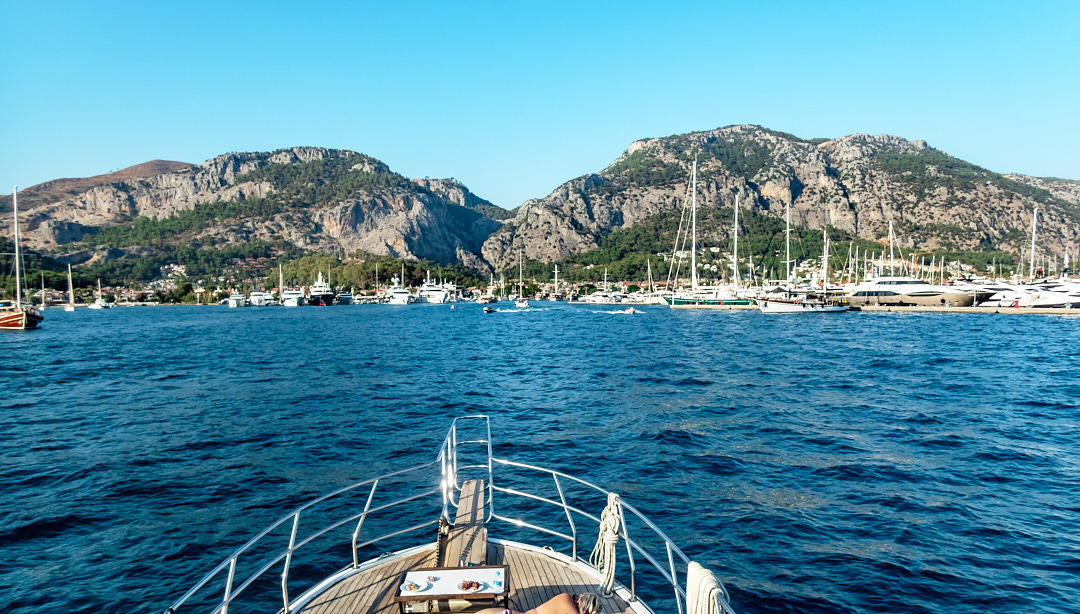
Marmaris
A resort city of a hundred thousand with a long promenade, a large port, and an Old Town. The Old Town is quite small and barely inhabited by locals anymore — most of its buildings are used as hotels, rental apartments, and cafés. As a result, in the off-season this area of winding lanes becomes almost deserted. Above the city rises a fortress; you can walk along its walls, and several of its rooms host small exhibitions on Turkish history. The Old Town ends at a small canal (streets 17/37/24 Sokak) where locals moor their small boats. It's very peaceful and pleasant to walk through. A short distance from the center stands an ancient amphitheater (still used today for various events).
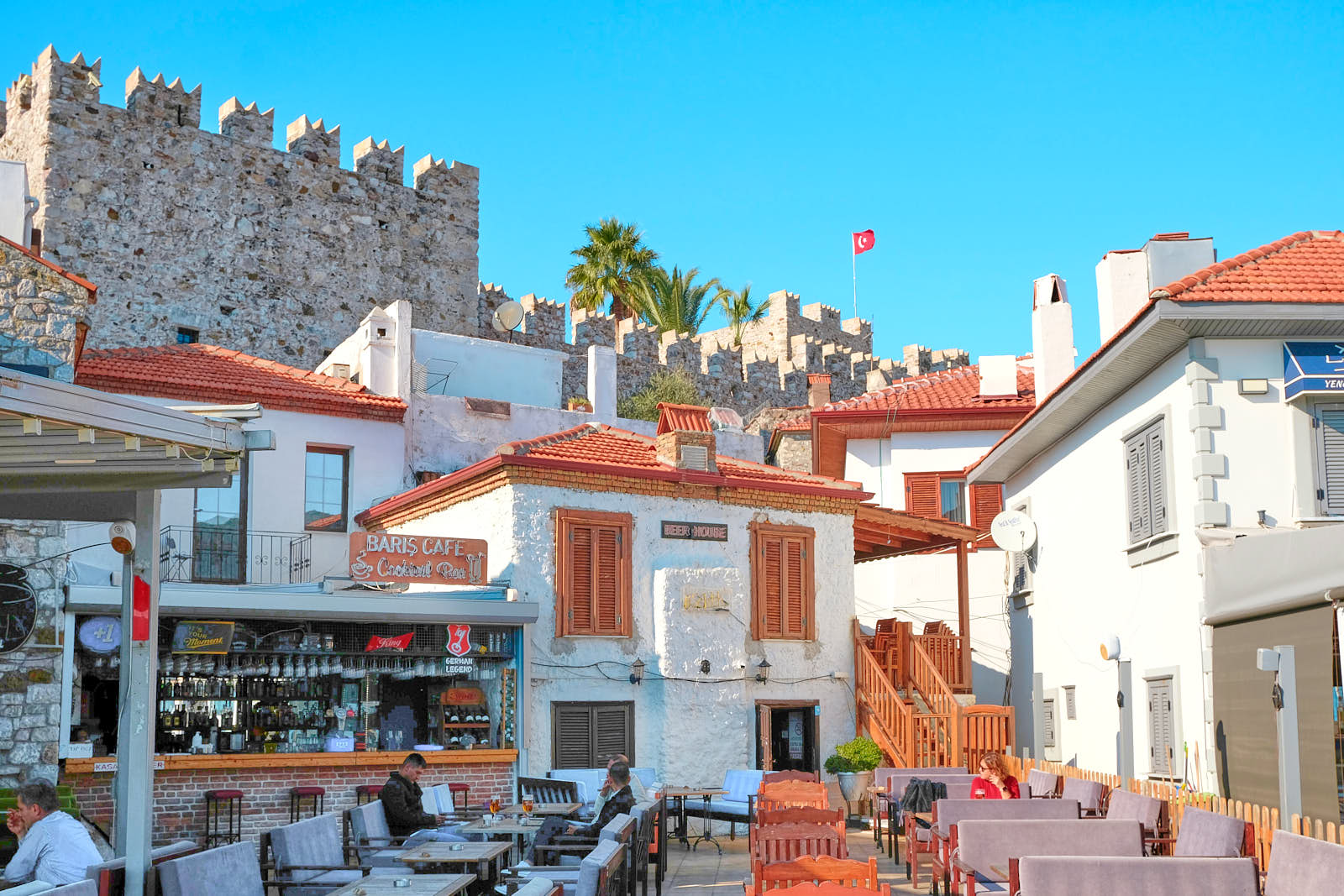
A fortress rises above the city — you can climb its walls, and several rooms host small exhibitions on Turkish history.
There are many bicycle rental shops in the city, and some of them operate outside of season. Marmaris Safari Bike offers a wide selection of different types of bicycles. Kilometres of cycle paths run along the promenade and through the tourist area where most of the hotels are concentrated. The marina is packed with cafés aimed at tourists, and running parallel to the waterfront lane is a bar street that gets lively during the season.
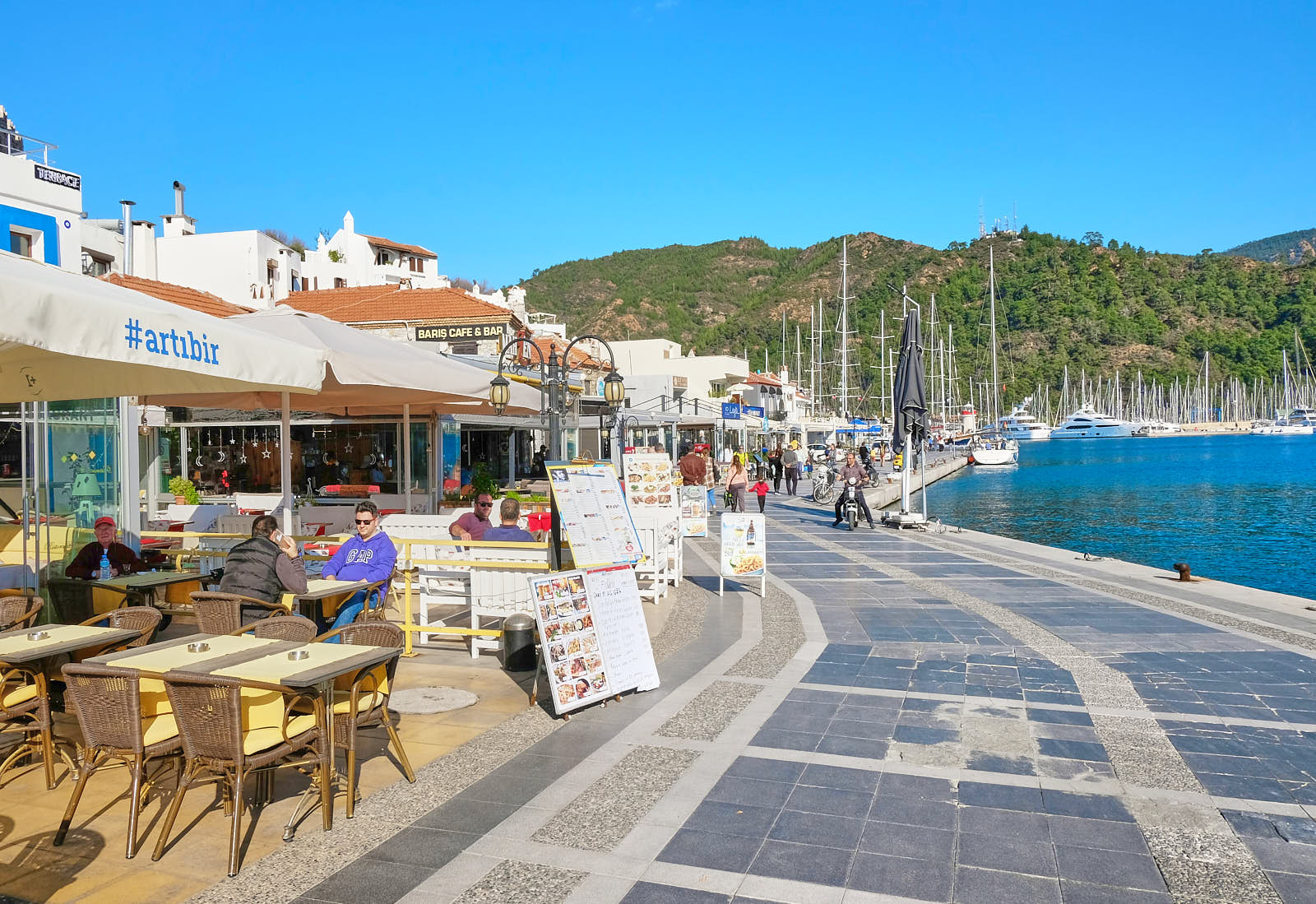
Tavuk Dünyası is a chain restaurant that specialises primarily in chicken and pasta dishes, though it also prepares some traditional Turkish dishes very well.
Ferries run regularly from Marmaris to the Greek island of Rhodes and to several Turkish towns (Datça, Turunç, and others). Dalaman Airport is 90 kilometres from Marmaris.
Where to stay. Aylin is a stylish boutique hotel close to the historic centre, the marina, and the beach, for just 60 euros (67.4 USD) per night. Grand Cettia will appeal to fans of large hotels where you can spend all your time without ever venturing into the city. A double room with three meals a day costs 155 euros (174 USD).
For more about Marmaris, see the guide by Sila Veter.
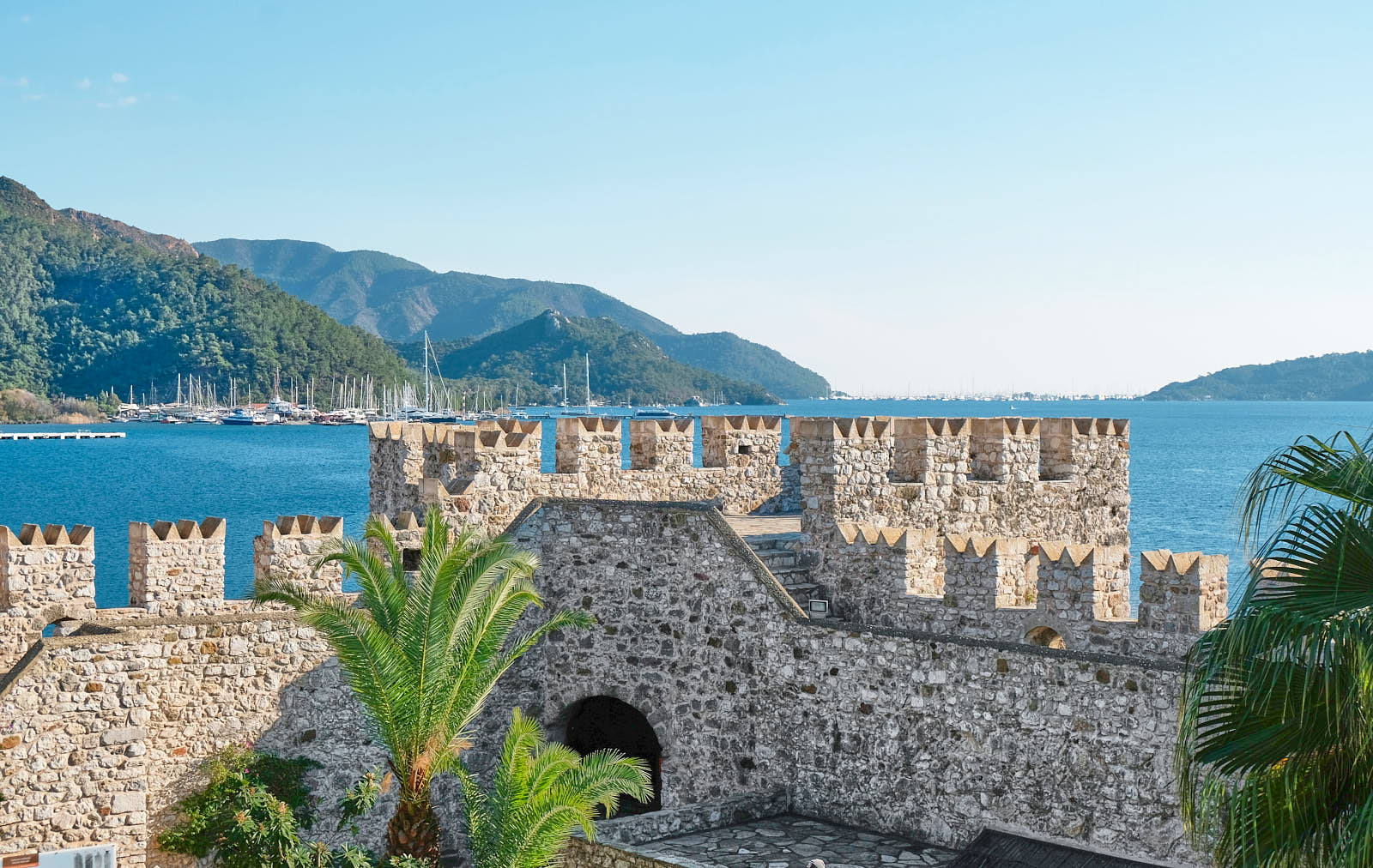
The waterfall near the village of Toparlar
A walk to the waterfall is a great way to take a break from the road and driving. You can simply stroll to the waterfall or linger longer and have a picnic with wonderful views. Swimming in the waterfall is possible. On the way to the waterfall near the village of Toparlar, there are many roadside stalls selling freshly squeezed juice from local fruit.

Bozburun and Datça
The two scenic peninsulas of Bozburun and Datça are important summer domestic tourism destinations in Turkey. Instead of resort towns with large hotels, you'll find villages with summer homes belonging to Turks from Istanbul and Izmir, glamping sites, campgrounds, and boutique hotels. The Bozburun Peninsula lies to the south of Marmaris, while Datça lies to the west. You can easily skip them, but if you have the time, it's worth booking a nice cottage or villa on Airbnb and relaxing for a couple of days.
A significant portion of the Carian Trail — a magnificent long-distance walking route through south-western Turkey — passes through this area. It is less well known than the Lycian Way, but matches it in beauty.
Where to stay. Bozburun: Kekik is a cosy countryside complex set at the foot of a mountain with breathtaking views of the sea and surrounding area. A room costs 110 euros (123.5 USD) per night. Datça: Cape Krio Boutique Hotel & Spa is another hotel outside the town. A room costs 80 euros (89.8 USD) per night. Casa Dalida offers small but cosy and stylish rooms right in the town centre — 60 euros (67.4 USD). Palaia Hotel Datça is elite, luxury, premium — and again outside the town — 145 euros (162.8 USD) per night. Bademli Konak is a large hotel built in the style of historic Ottoman architecture, 50 euros (56.1 USD) per night.
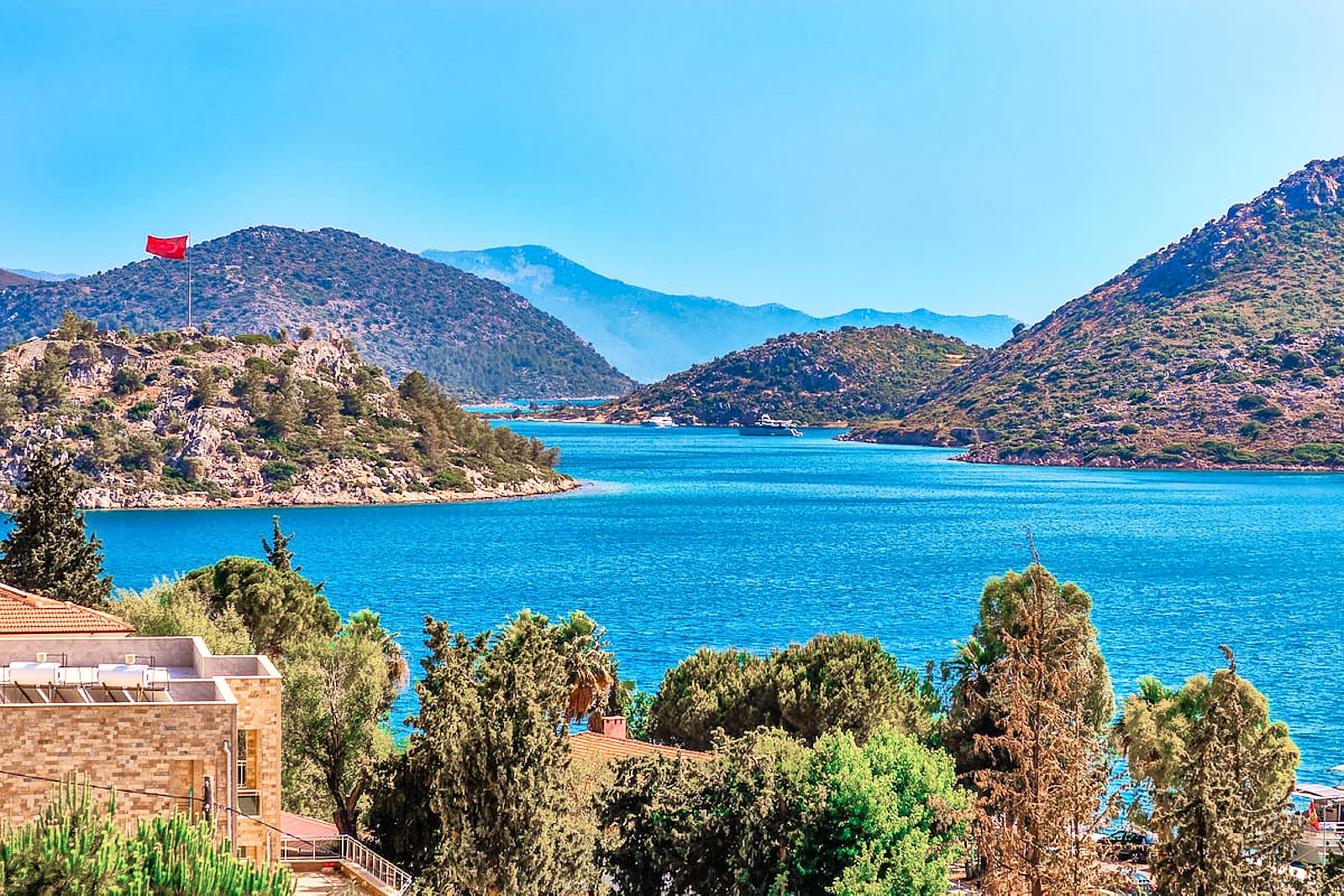
Akyaka
Akyaka is one of the Turkish towns that belongs to the international Slow City movement. One of the movement's goals is slowing down the pace of life and resisting the homogenization of cities. It's hard to picture that, though, when you arrive on a weekend during peak season — the town is packed with Turkish tourists. That said, if you come on a weekday, it's a pleasant place to stroll through streets lined with restored wooden houses and have lunch at one of the many cafés along the canal. Ten kilometres outside town there is a popular kitesurfing spot — you can take a lesson with an instructor or simply sit on the beach and watch the surfers carving through the waves.
Stay: Liya Boutique Hotel & Suites — 40 euros (44.9 USD) per night, or XOX Apart Hotel — 70 euros (78.6 USD).
Eat and drink: Feron — Turkish breakfasts, toasts, burgers, and desserts; Sems Burger — all the classics: burgers, fries, and onion rings.
Bodrum
The town and peninsula of Bodrum are the epicentre of luxury tourism in Turkey. You'll find the most expensive hotels and villas, yacht clubs, and restaurants here. The town draws mainly wealthy Turks and is well known for its nightlife.
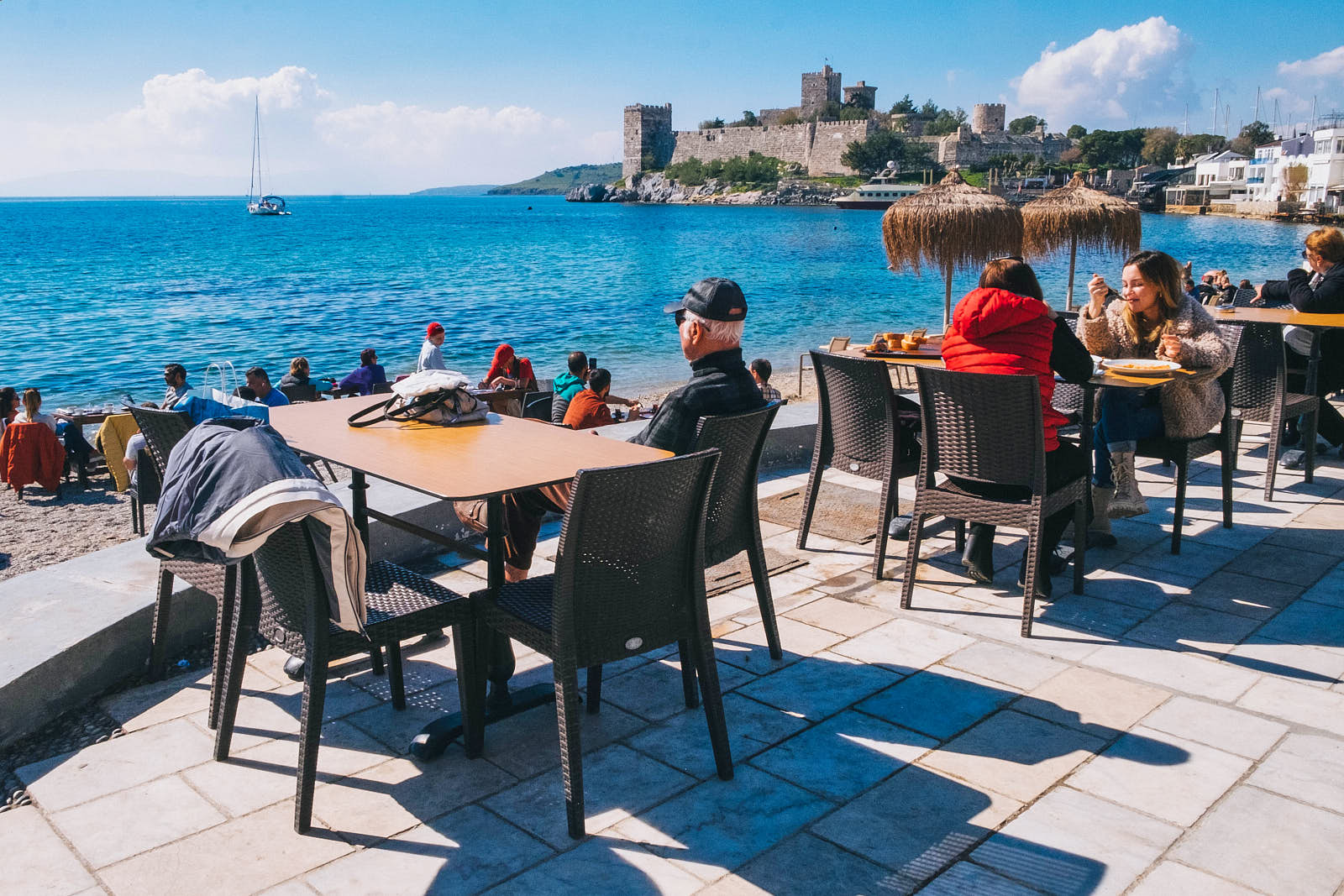
Bodrum is also known by its ancient name Halicarnassus. In the fourth century BC, one of the Seven Wonders of the Ancient World was built here — the Mausoleum at Halicarnassus. In the 15th century it was destroyed by the Knights Hospitaller, and its remains were used to build the Castle of St. Peter, which is exceptionally well preserved and is now the town's main attraction.
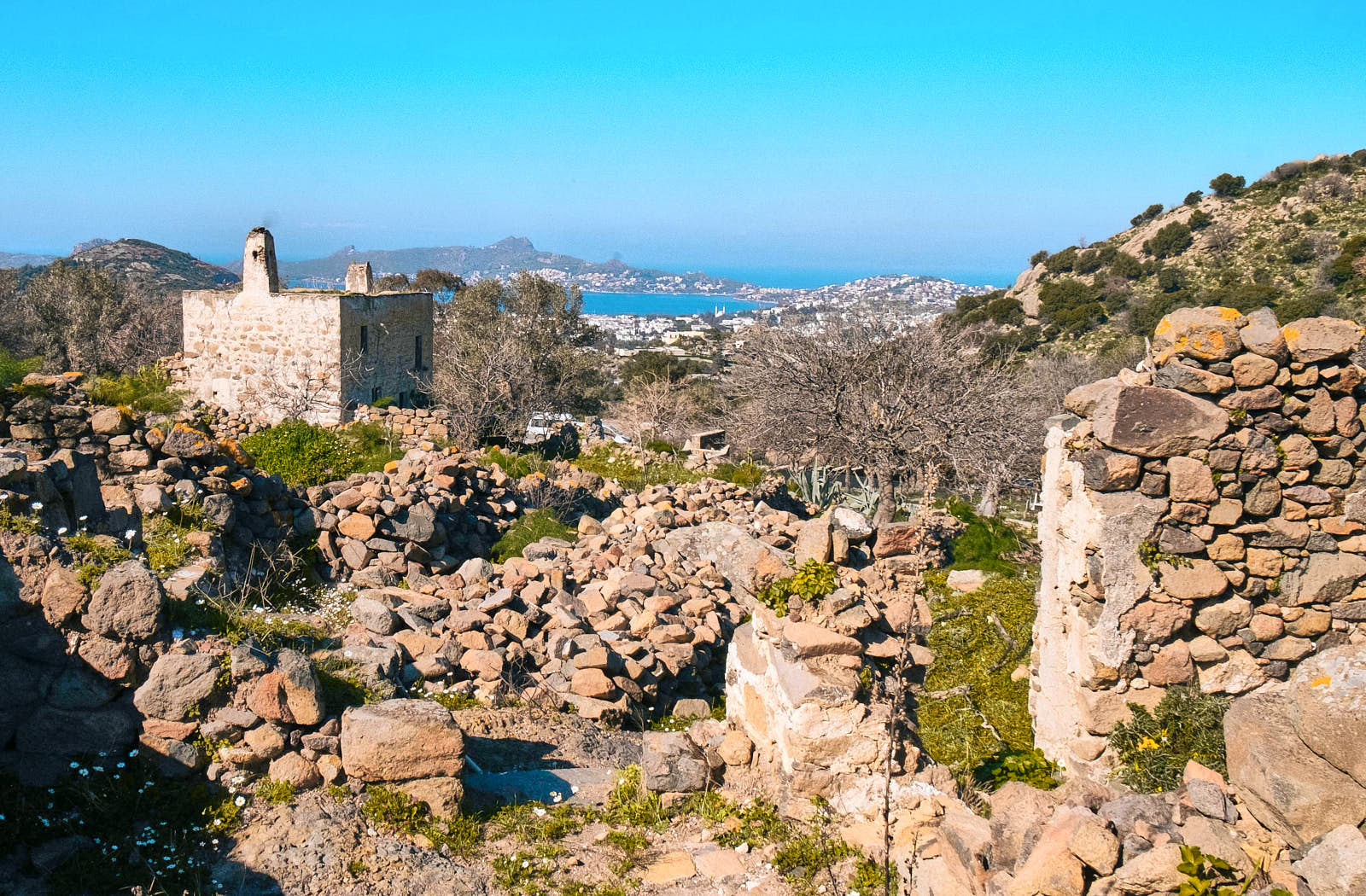
Bodrum's architecture bears a strong Greek influence — from certain angles the town is indistinguishable from the postcard views of Santorini: whitewashed houses on a hillside, windmills, and the sea. The windmills, incidentally, are the hallmark of this hilly peninsula. Old windmills stand at many of the viewpoints (one, two, three, four). You can do a loop around the peninsula and collect a whole set. While on the peninsula, it's worth stopping at the marinas in Turgutreis and Yalıkavak, and visiting the abandoned village of Sandıma.
From May through September it's best to avoid Bodrum — parking is virtually impossible on the narrow streets, and accommodation prices shoot through the roof. In the low season, however, there's room for relatively budget-friendly travel — you can find an apartment in Bodrum for under 60 euros (67.4 USD) — for example, İlya Apart 2 or Costa Sariyaz..
Eat and drink. The main thing is to avoid the pricey restaurants on the waterfront. The Italian restaurants Arka Pizza and Rubys Pizzeria are conveniently tucked away from the seafront. For a cheap bite, head to Kosova Köftecisi. For coffee — Espresso Lab. For a budget lunch at a lokanta — Piknik Rest..

Kuşadası
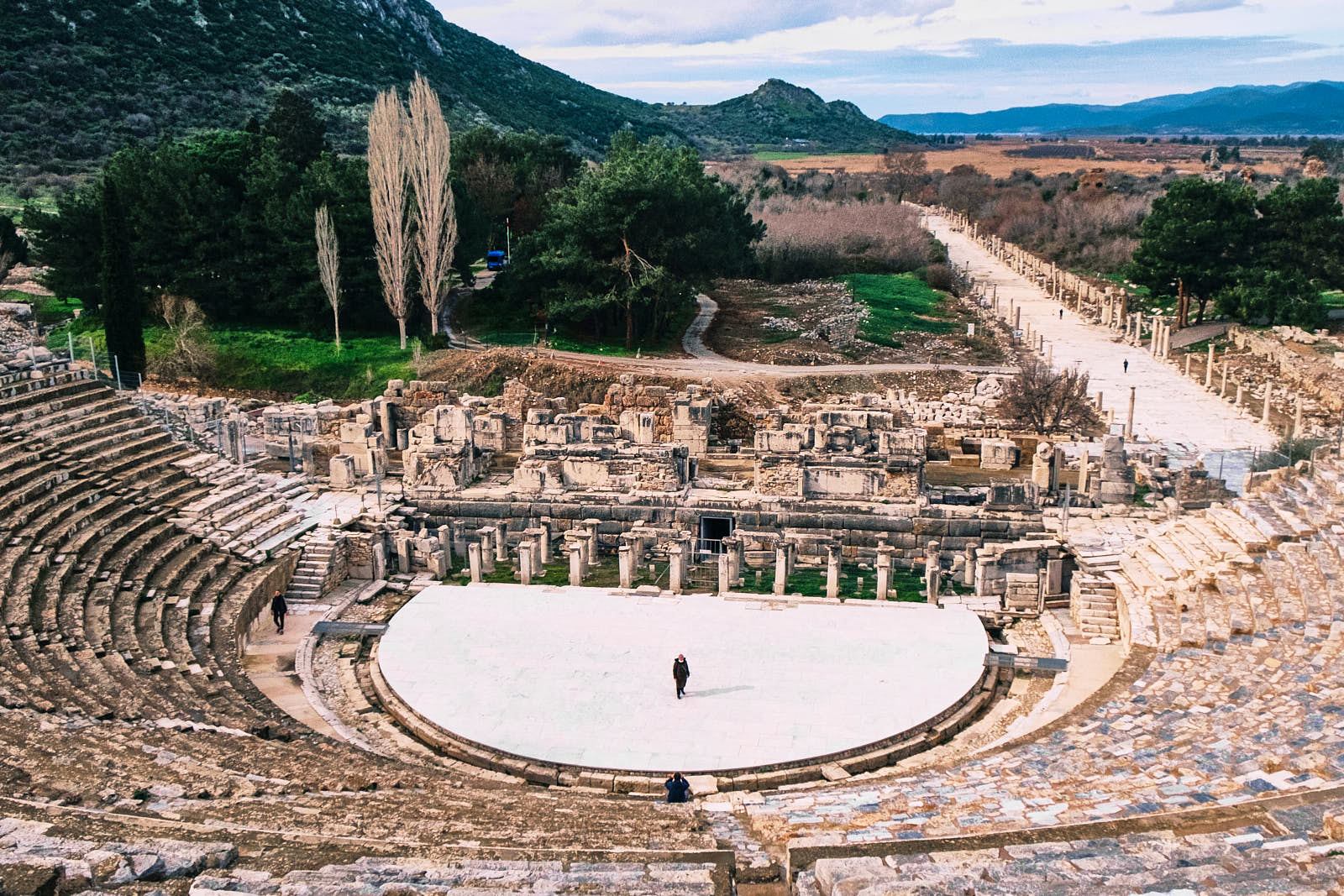
Kuşadası is Antalya on a smaller scale: crowds of tourists, enormous cruise ships docking and disgorging British pensioners who snap up souvenirs on the tourist streets and fill every café table to have fish and chips while watching the second half of an English Premier League match. The city has no notable architecture, and the handful of historical sights — a mosque and a 17th-century caravanserai — along with the city walls are not worth a dedicated visit. That said, Kuşadası is conveniently located for a stopover to visit Ephesus — the most extensive and impressive ancient ruins in all of Turkey. The entrance fee to Ephesus for foreign visitors is 40 euros (44.9 USD). Diving enthusiasts come to Kuşadası to dive around a deliberately sunken Airbus A300.
Denizli
If you have the time, we recommend staying in Denizli for at least two nights — there are many interesting places around the city: Lake Salda, the Keloğlu caves, the ruins of Laodicea and Aphrodisias, and Ulubey Canyon.
To complete the circular route, you'll need to drive more than 400 kilometres back to Antalya. This can be done in half a day — most of the journey is on a highway where you can comfortably travel at over 100 kilometres per hour.
Where to stay. Laodikya or Angel's Park — both start from 55 euros (61.7 USD).
Pamukkale
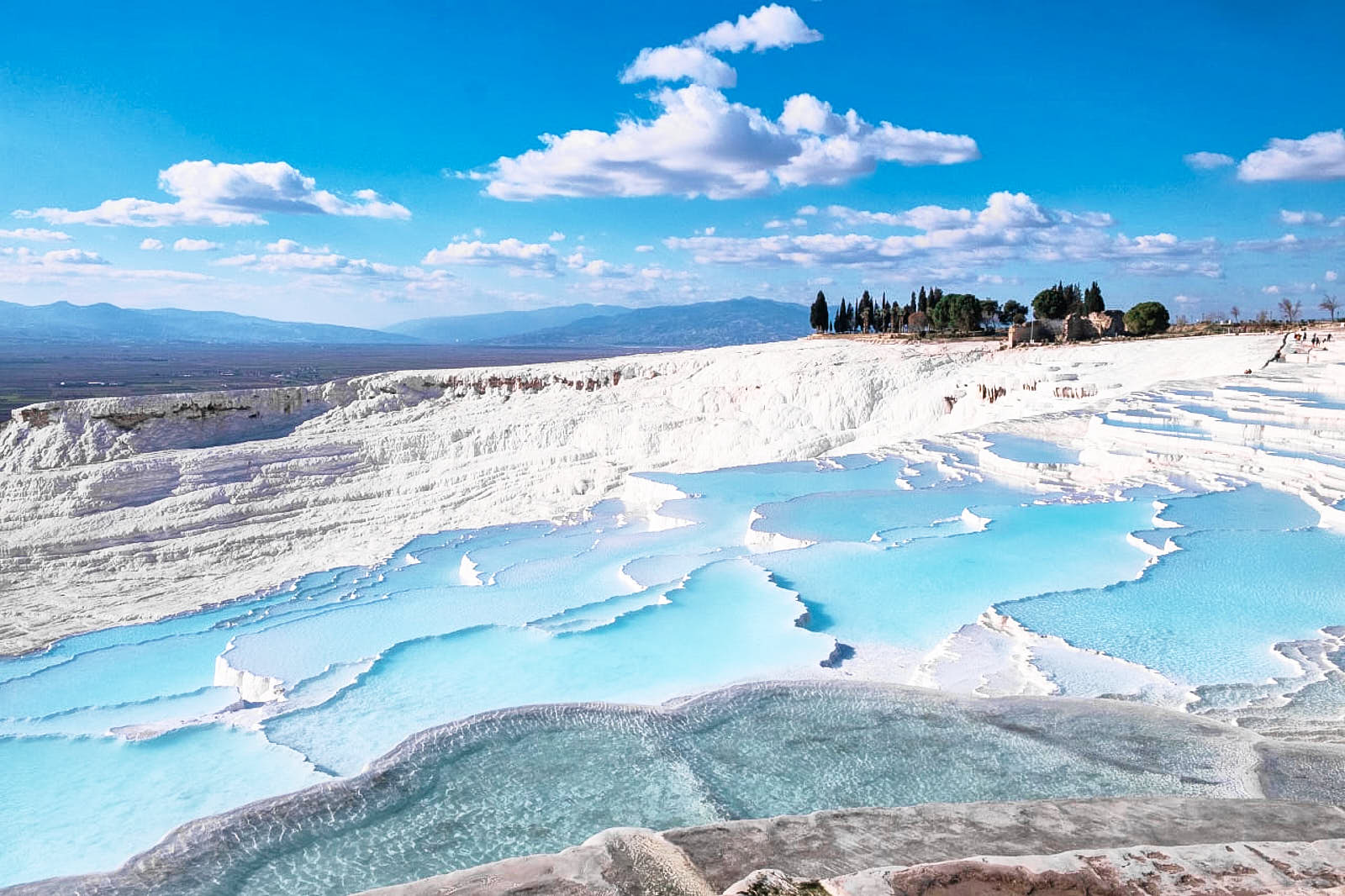
Pamukkale is a thermal spring resort near the city of Denizli — this is the famous site with the snow-white terraces filled with water. Next to them lie the ruins of Hierapolis, and the entire complex is included on the UNESCO World Heritage List. The ticket to visit both the natural attraction and the ancient ruins costs 1,500 lira (30.3 USD).
Where to stay. North Point or Naturalis — solid three-star hotels, from 60 euros (67.4 USD) per night, Pamukkale Apollon Garden — a step up in quality, from 90 euros (101 USD) per night.
Road trip from Antalya through Eastern Turkey: 10–14 days
Antalya also works well as a starting point for a road trip through the eastern part of Turkey (or Kurdistan) — the most authentic and least touristy region in the country. A suggested itinerary:
Day 1. Antalya → Ormana → Eşrefoğlu Mosque in Beyşehir → Konya.
Day 2. Konya → Çatalhöyük → Adana.
Alternative option: from Konya head to Cappadocia, then continue via Kayseri and Malatya to Mount Nemrut.
Days 3–4. Adana → Nemrut Dağı.
Days 5–6. Nemrut Dağı → Diyarbakır → Van.
Days 7–8. Van → Akdamar → Batman → Bitlis → Hasankeyf Castle → Mardin.
Days 9–10. Mardin → Göbekli Tepe → Şanlıurfa → Rumkale → Gaziantep.
Days 10–12. Gaziantep → Antakya → Mersin → Antalya.
The village of Ormana
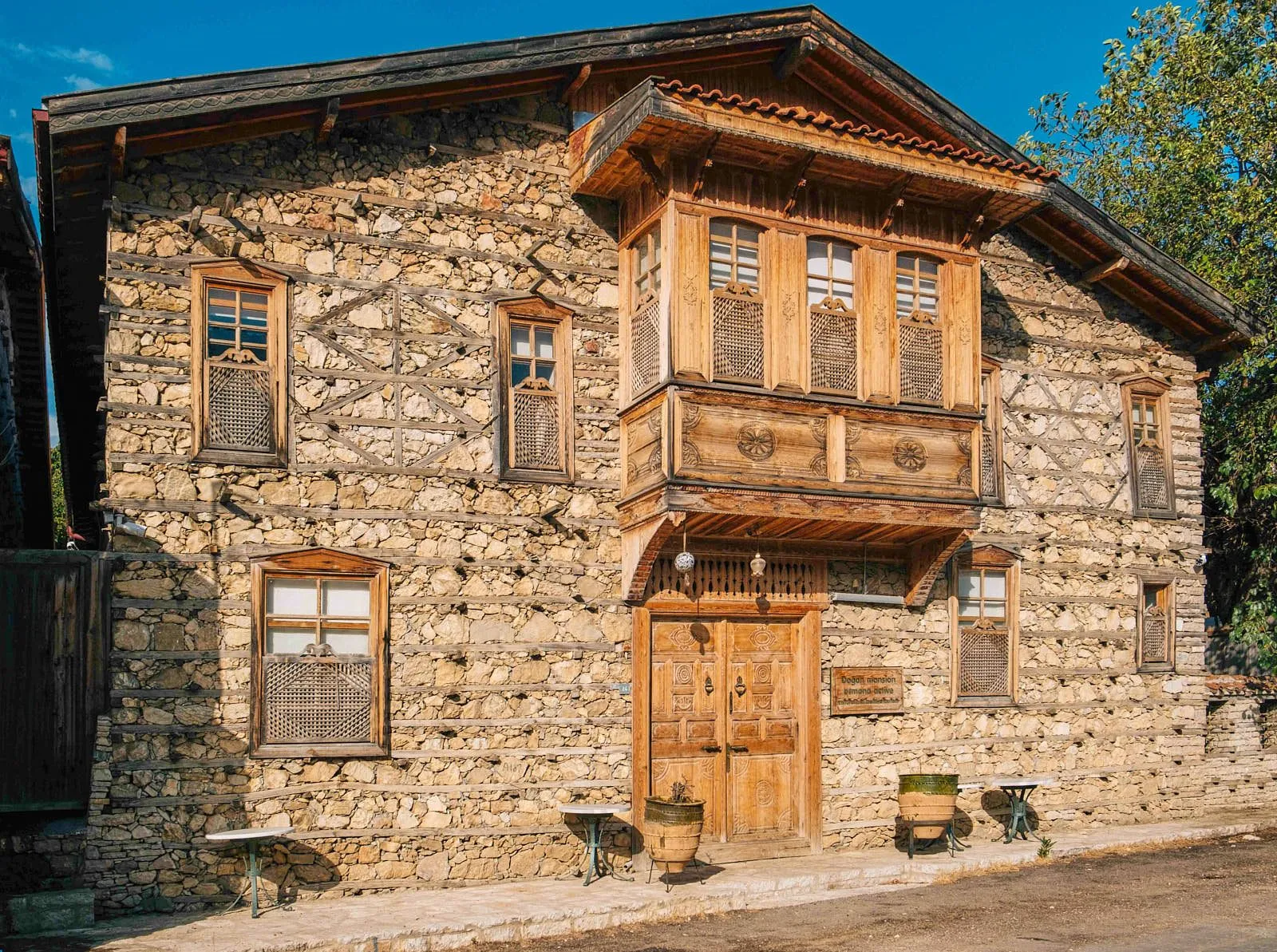
This charming village, which is known for its stone 'button houses' (built without the use of mortar), can be explored in about an hour. But if you have the time, it makes for a pleasant first overnight stop on the trip. The village has a museum dedicated to the Janissaries and the Ormana Active hotel, which offers various activities and tours of the surrounding area.

A 15-minute drive from Ormana is the Altınbeşikcave, which contains Turkey's largest underground lake. Depending on the season, the lake may be closed to visitors — check current conditions on Google. Entry to the national park costs 135 lira (2.73 USD) and a boat ride on the lake costs 250 lira (5.06 USD).
Beyşehir
Beyşehir is a city on the shore of the lake of the same name. The road there from Antalya passes over a high mountain pass (1,825 metres), so be careful in winter — snow can fall, and driving on summer tyres can be dangerous.
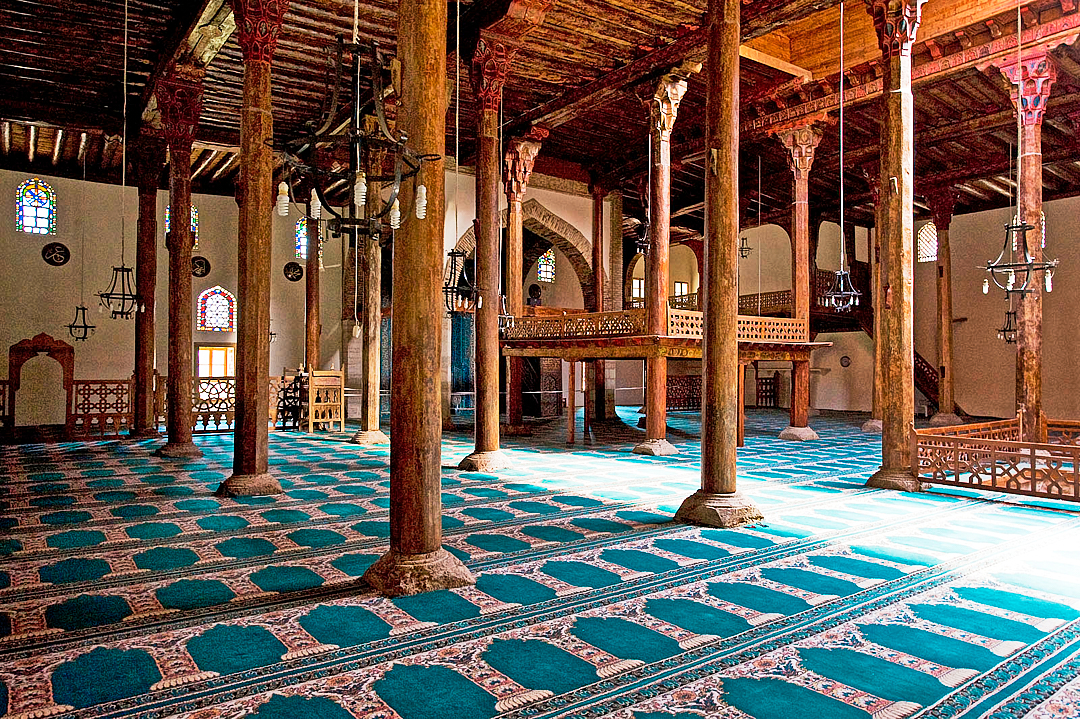
The main attraction of the city is the mosque Eşrefoğlu from the 13th century. According to UNESCO, it is the largest and best-preserved mosque with wooden columns and a wooden roof. In our opinion, it is definitely worth a stop.
Konya
Konya is a large city and the capital of the province of the same name. The city centre is defined by unique architecture from the Seljuk period. Tourists come here primarily for the Mevlana Museum — dedicated to the Persian poet Jalaluddin Rumi. Based on his teachings, Rumi's son founded the Sufi Mevlevi order, centred in Konya. They are also known as the Brotherhood of the Whirling Dervishes.
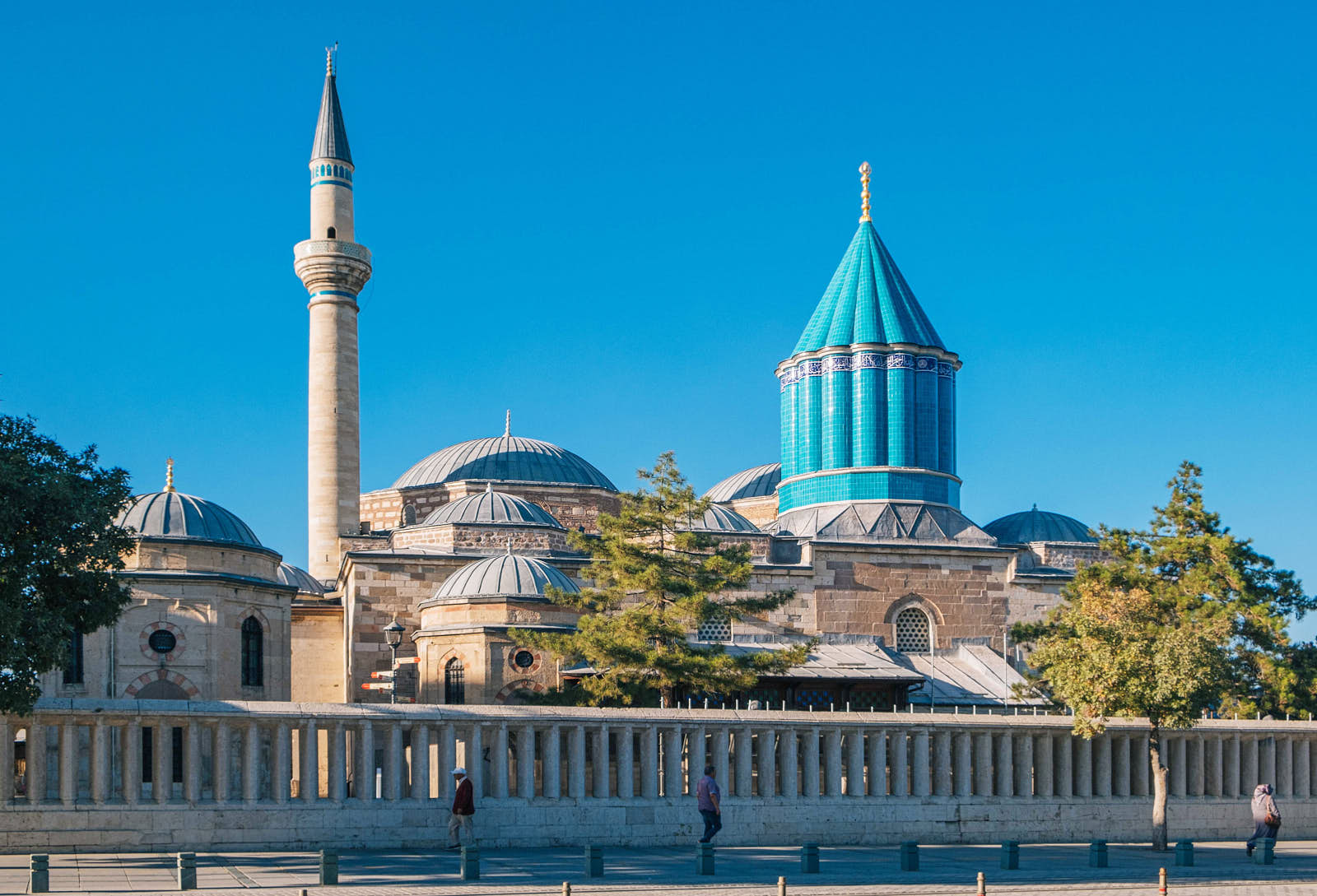
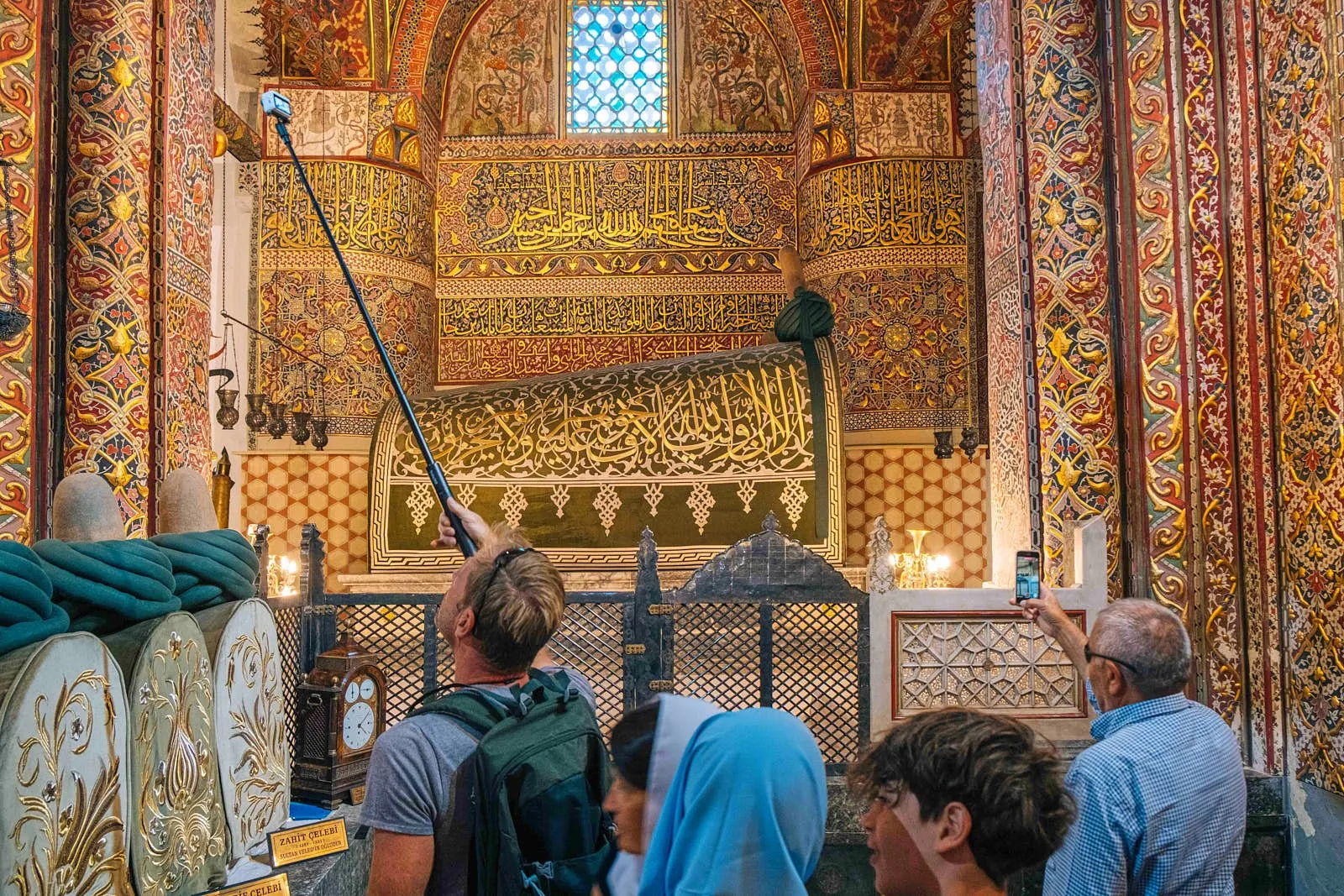
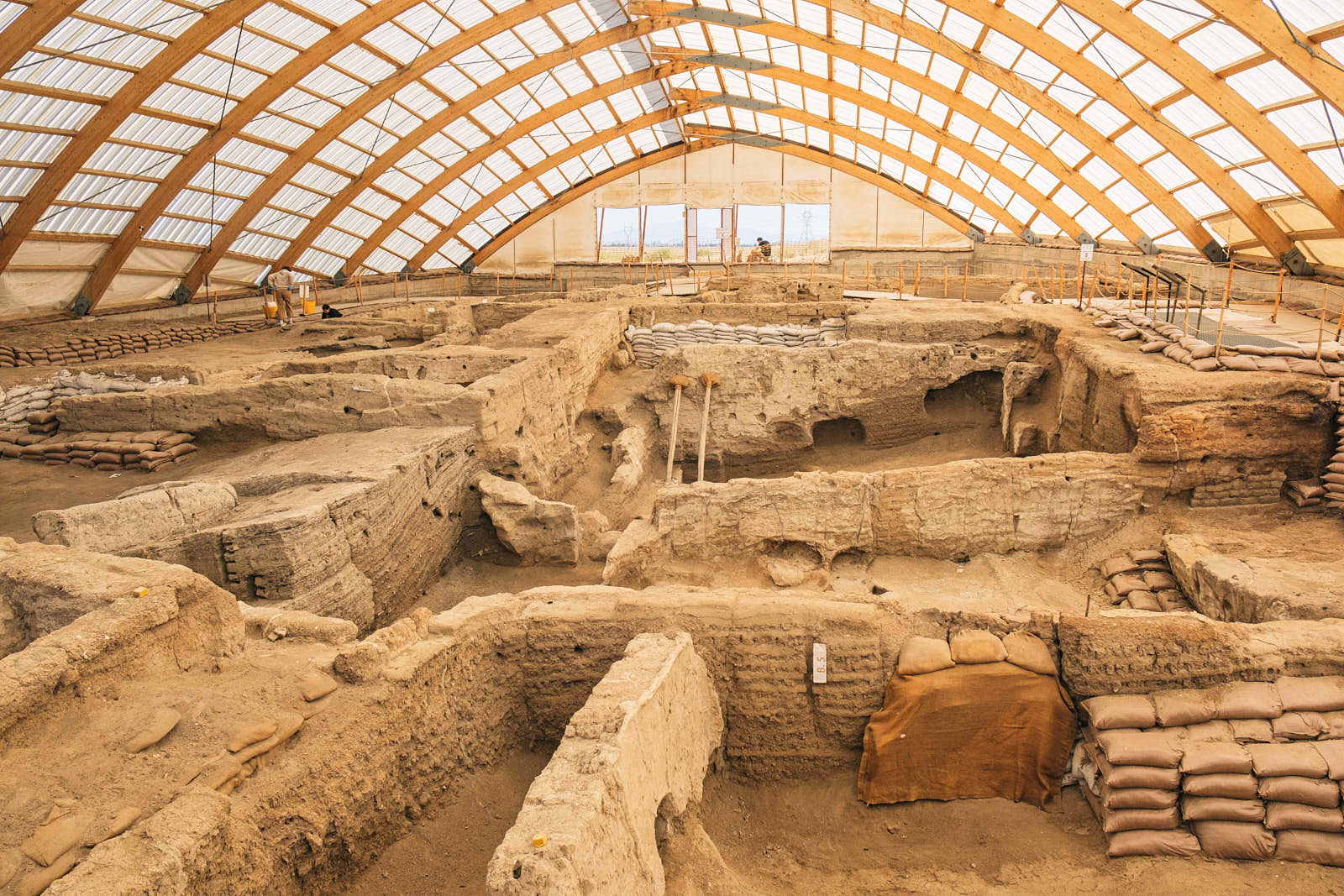
Nearby lies Çatalhöyük — the largest and best-preserved Neolithic settlement in the world. The earliest cultural layers date back to 7400 BC. Admission to the excavation site is free.
Where to stay. Konya has a good selection of hotels in historic houses. Here are a few of the best in our editors' opinion: Dervish — 100 euros (112.3 USD) per night. Hich — stone walls, colourful Turkish rugs on the floors, and stained-glass windows — from 70 euros (1.42 USD) per night. The hotel Sircali made an effort to create a design in keeping with the age of the building — sourcing period furniture and artwork, while stopping short of going full retro. A night here costs 90 euros (101 USD).
For those who'd rather not stay in the somewhat cramped city centre or the equally snug rooms of historic houses — charming as they are — we've picked out a few good hotels in modern buildings. Ramada Encore by Wyndham — a room with a city view starts from 80 euros (89.8 USD). The hotel Bera offers generously spacious rooms and a wide breakfast buffet — from 75 euros (84.2 USD) per night.
Çatalhöyük
This is the largest and best-preserved Neolithic settlement in the world. The oldest finds date back to 7400–5600 BC. The settlement was discovered in 1961, and excavations are still ongoing. Don't expect impressive architecture, carved columns, or elegant sculptures here. The settlement looks like clay houses built right up against one another. But their age is the main attraction. Just imagine that perhaps ten thousand years ago people were already living on this very land. You can watch the excavation process and visit the museum, where most of the artifacts are kept. The entrance ticket costs 250 lira (5.06 USD).
Adana
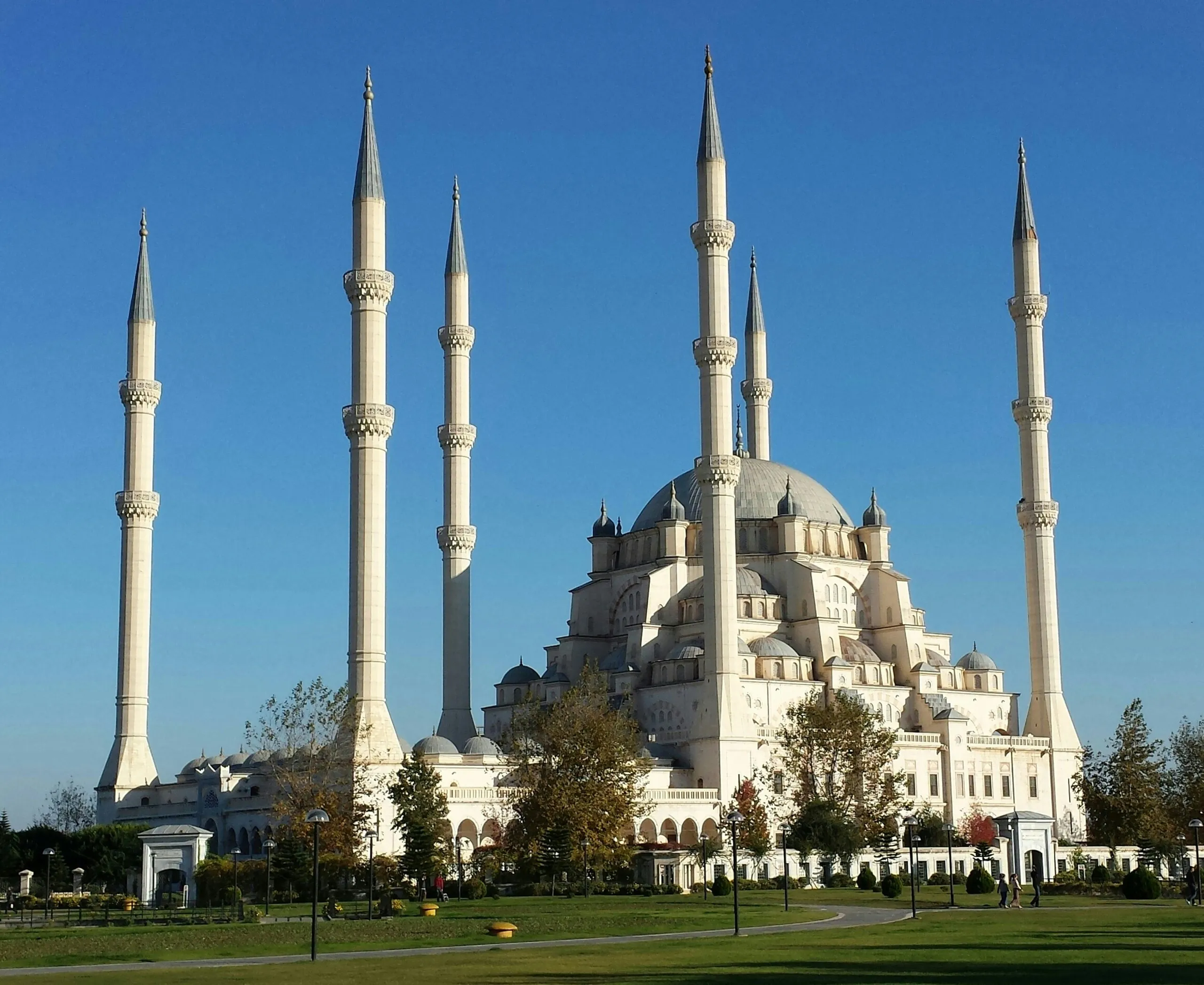
The Sabancı Central Mosque can hold 28,000 worshippers and was opened in 1998. It may not be the city's main attraction, but it is certainly the most striking. The Ulu Mosque is considerably older — built in 1541 — though it draws fewer visitors.
The Taşköprü Bridge connects two districts of the city and is one of the oldest bridges in the world still in use, having been built in the 2nd century. Cars crossed it until 2007. Above the artisans' quarter of Bedesten stands a clock tower dating from 1882, surrounded by workshops and shops selling metalwork and wooden goods. The Tepebağ district is the oldest in the city, where Ottoman architecture has been preserved. The Anavarza Fortress rises above the city.
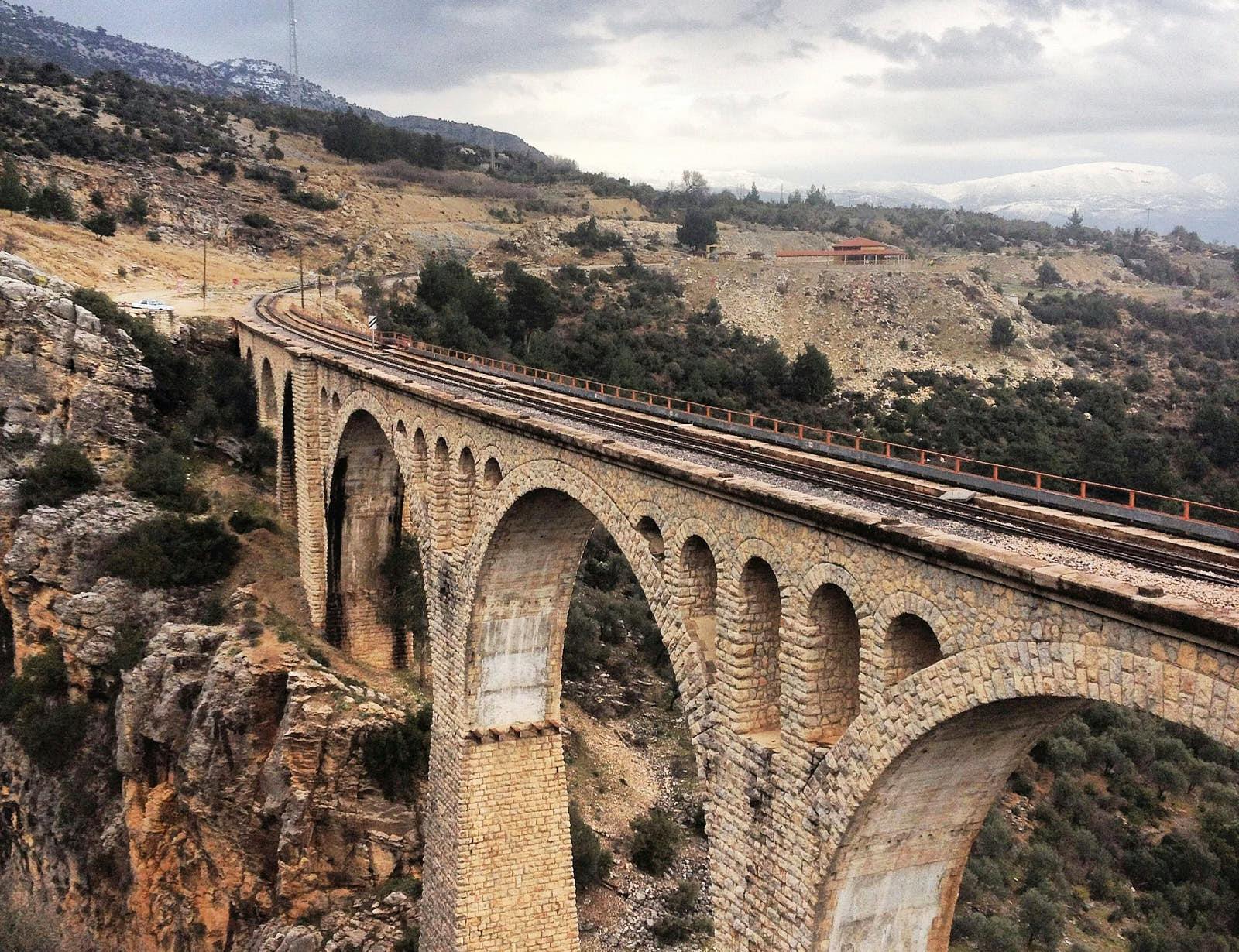
Not far from the city — 50 kilometres from Adana — you can visit Kapıkaya Canyon and walk a seven-kilometre trail through it. Above the canyon spans the Varda Viaduct, 172 metres long. It became especially well known after featuring in the James Bond film Skyfall.
Kebab — minced meat sausages grilled over charcoal — is one of the signature dishes of Turkey. There are two varieties named after cities: Urfa kebab and Adana kebab, the only difference being that the Adana version is spicier.
Where to stay. Adana has a limited selection of affordable hotels with decent ratings. Here you either pay less than 100 euros and put up with some shortcomings, or you pay more. Chain hotels in Adana, however, maintain their standards. A night at the Adana Hilton will cost around 110 euros (123.5 USD), at the Sheraton Grand Adana — 130 euros (145.9 USD), and at the DoubleTree by Hilton — 135 euros (151.5 USD). The independent Divan can be booked for around 90 euros (101 USD), and it is in no way inferior in quality to the big-name chains.
Nemrut Dağ
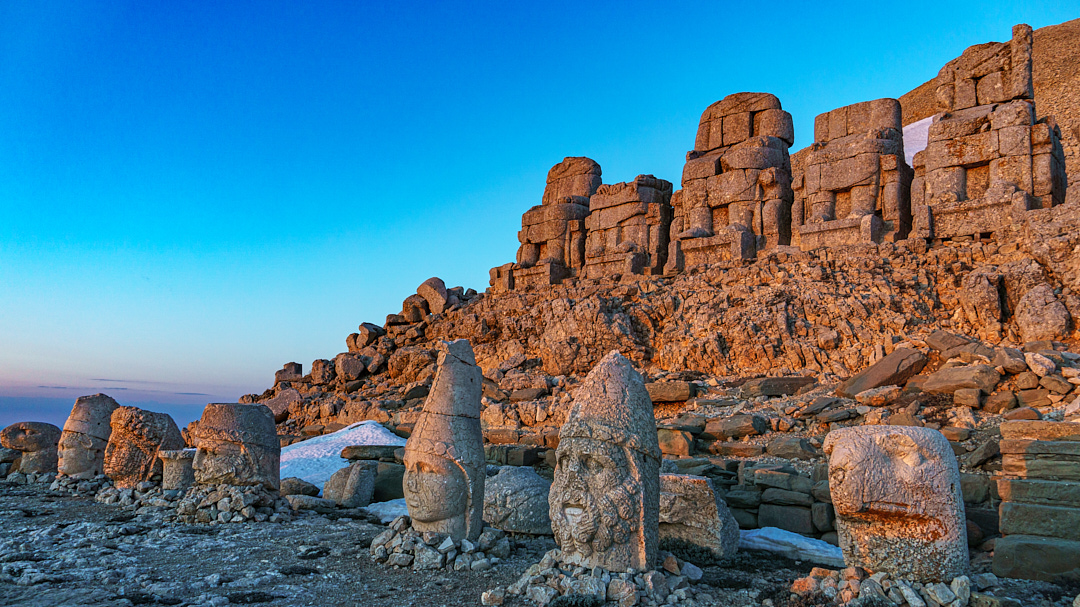
Nemrut Dağ (2,150 metres) is a mountain in Adıyaman Province, on the summit of which stand partially ruined sculptures dating from the 1st century BC. They are included on the UNESCO World Heritage List. It is a very rarely visited attraction, and undeservedly so. Both the sculptures themselves and the views that open up from the mountain are impressive. The ticket costs 500 lira (10.1 USD).
Diyarbakır
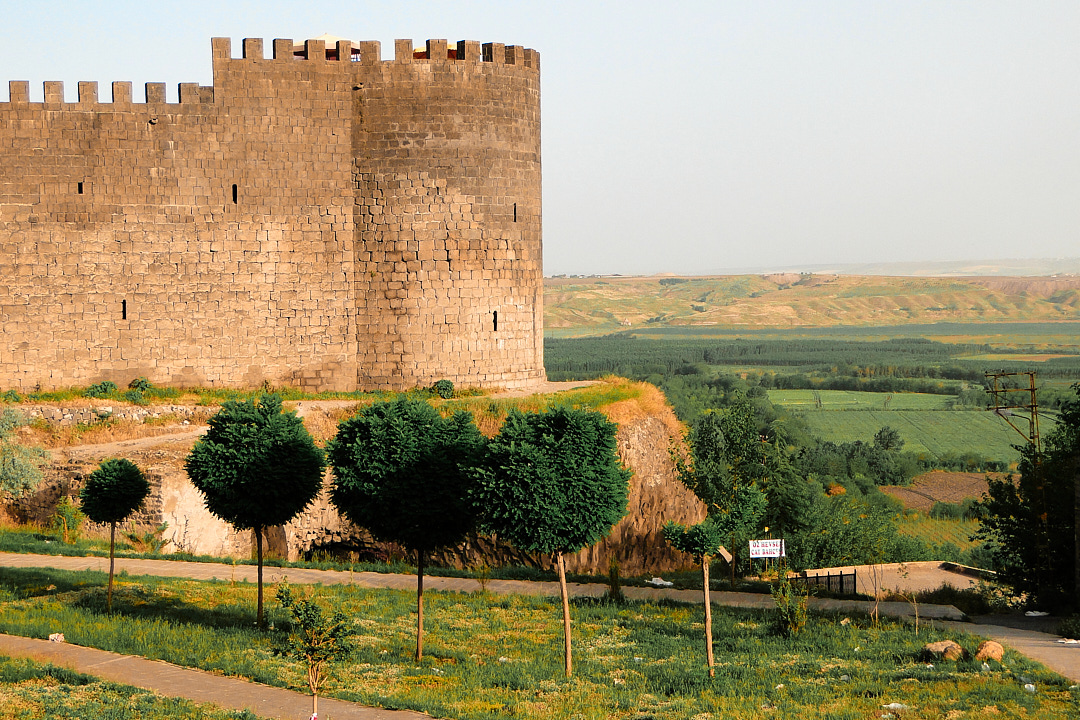
Diyarbakır is a city of nearly one million people, considered the unofficial capital of Kurdistan. It is simply an interesting place to spend a few days, observing the everyday life of the Kurds. The city is home to the largest fortress in Turkey (4th century), behind which lie the Hevsel Gardenson the banks of the Tigris — both are UNESCO World Heritage Sites.
Lake Van
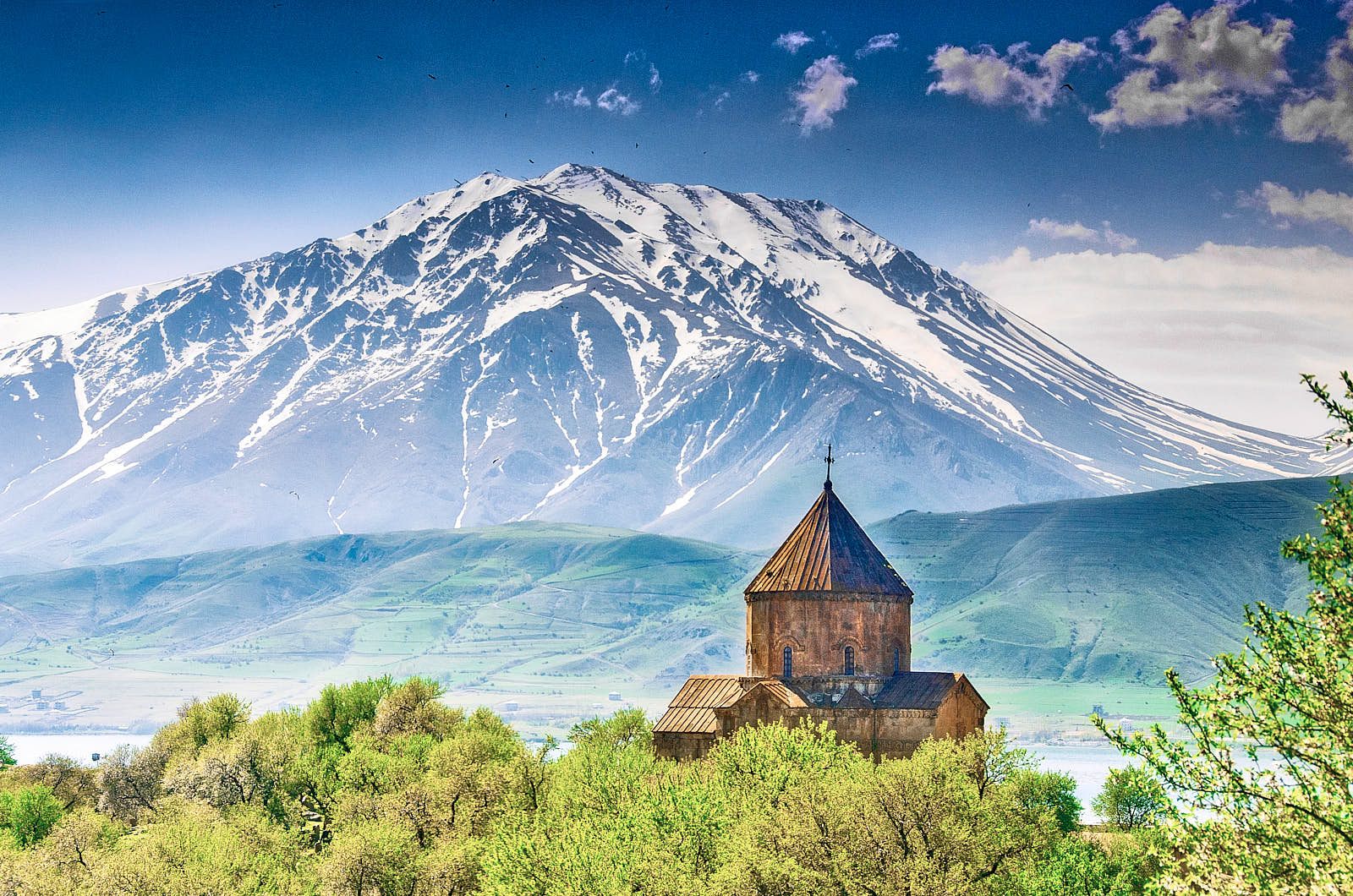
On Akdamar Island on Lake Van, the residence of Armenian kings was located in the 10th century. Many Armenians lived in this region before the genocide. From that period, the Church of the Holy Cross has survived, with frescoes and stone carvings depicting scenes from the Old and New Testaments. A boat to the island departs from the pier Akdamar Pier, a round-trip ticket costs 350 liras per person (7.08 USD). Entry to the island is paid — ten euros per person (11.2 USD).
Where to stay. The choice of hotels in Van is not very large, but we found some good options: El Baboos and Vantalya — 40 euros (44.9 USD), The Conforium — 45 euros (50.5 USD).
Mardin
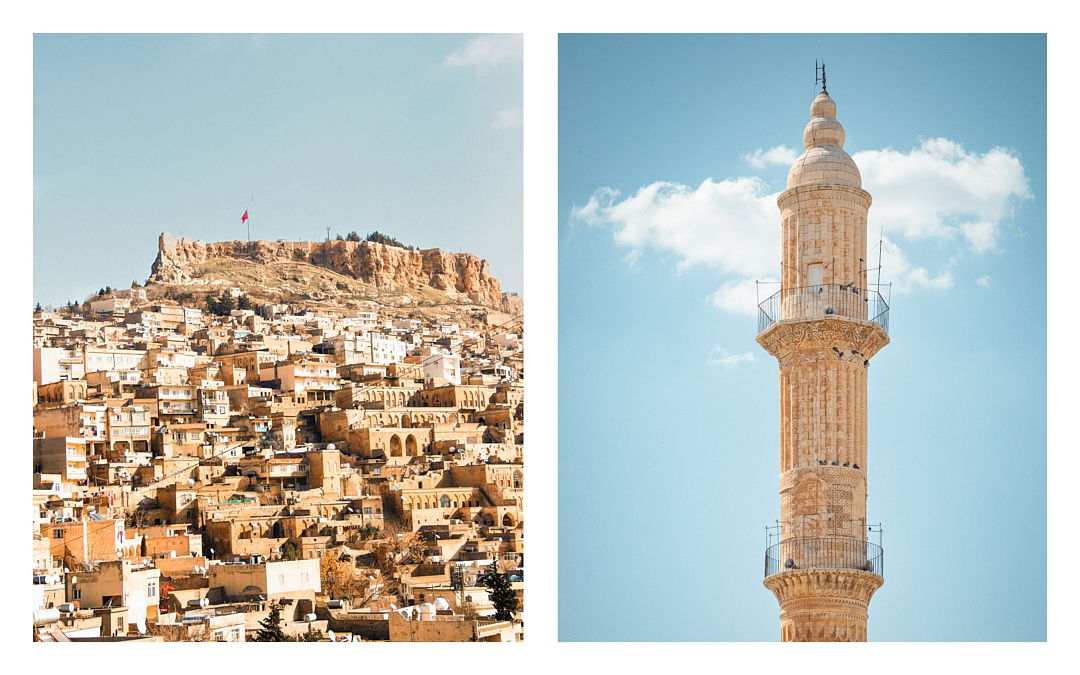
Mardin is a small city picturesquely situated on a hillside, reminiscent of Arab towns. Almost half of its 80,000 residents identify as Arabs. Syrian Christians once lived here in large numbers, and 14th-century churches have survived from that period.
Where to stay. The Old City of Mardin has a great number of wonderful boutique hotels in historic buildings — from small and modest to large and palace-like. Here are a few recommendations from our editorial team, all housed in historic buildings: Minessa Konağı — 70 euros (78.6 USD) per night. Şems Inn — 60 euros (67.4 USD) per night. Maristan Tarihi — 165 euros (185.2 USD) per night. Ana Talia House — 90 euros (101 USD) per night. Kasr-ı Kikan — 120 euros (134.7 USD) per night.
Şanlıurfa
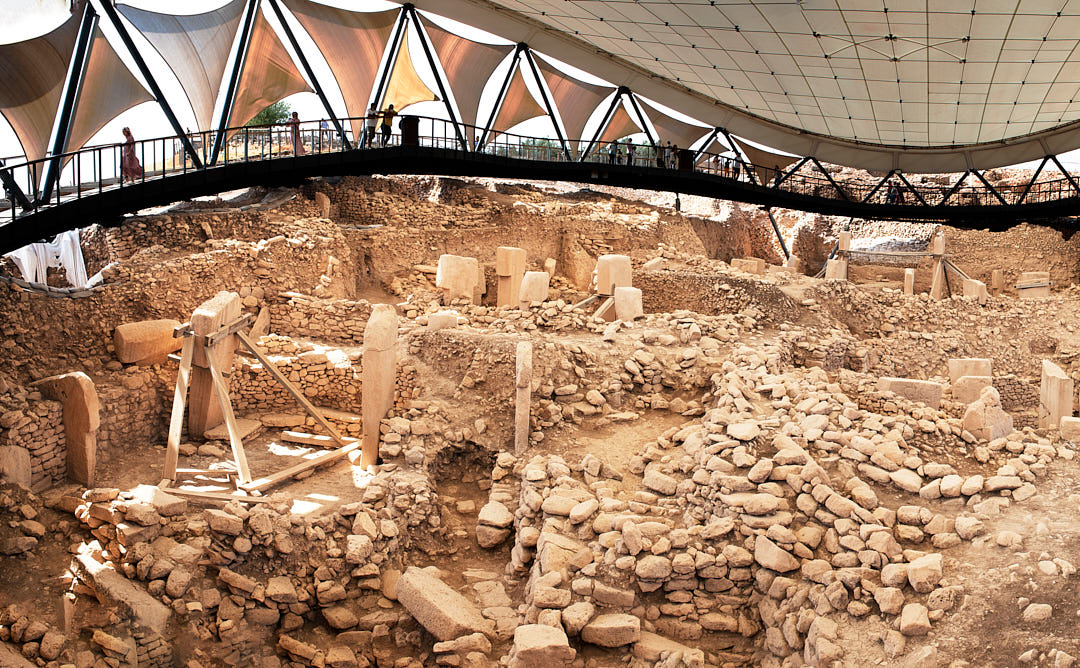
Şanlıurfa has preserved a colorful old town with narrow streets that cars can barely navigate. Among the must-see attractions are the cave where the Prophet Abraham was born, Balıklıgöl lake with its sacred carp in the courtyard of a 13th-century mosque, and the temple complex of Göbekli Tepe in the surrounding area, also on the UNESCO list, like many of the sights along this route.
Antakya
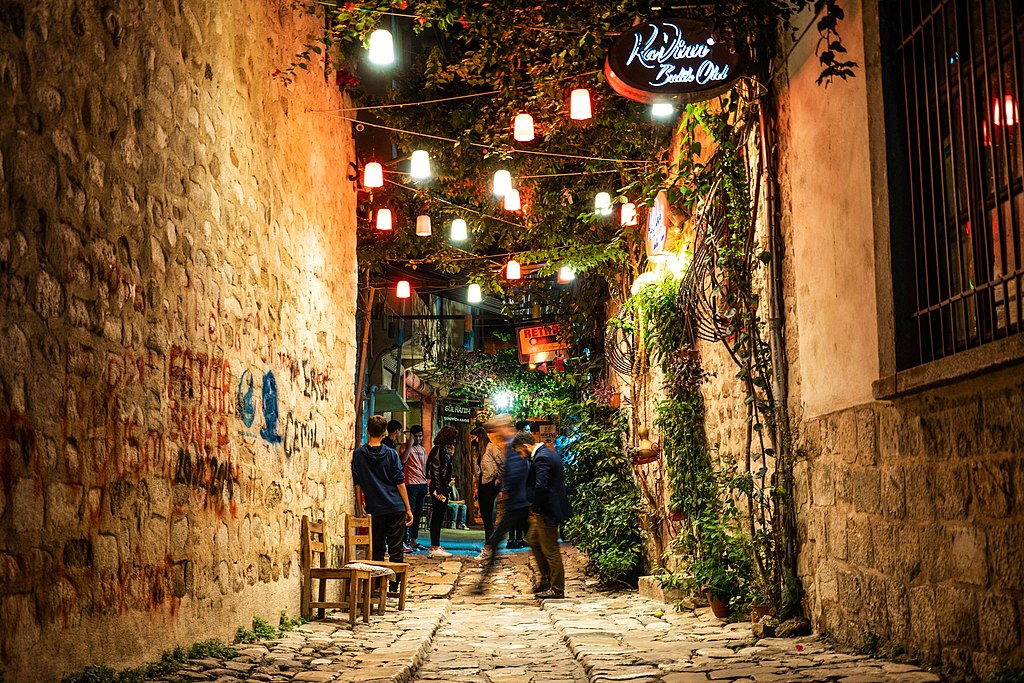
Antakya — or Antioch, which was once one of the largest cities in the Roman Empire — sits on the border with Syria. The Church of St. Peter carved into the rock, an old town with narrow streets, and the market district of Uzun Çarşı (Uzun Çarşı Caddesi). People head to the town of Samandağ to swim in the Mediterranean and eat fish sandwiches.
Where to Stay
We recommend chain hotels. Along this route there are particularly many Hilton properties. They can be found in Konya, Van, Mardin, Şanlıurfa, Gaziantep (option one, option two), Adana (option one, option two), Mersin. There is only one Radisson, but it is located exactly where there is no Hilton — in Diyarbakır.
Prices start from 70 euros (78.6 USD), and on average a night at a Hilton in eastern Turkey will cost around 100 euros (112.3 USD). Local independent hotels are often more expensive, and the quality of service and amenities can be a lottery. Hiltons, on the other hand, offer 24-hour reception, parking, at least someone who speaks English, and consistent standards. And of course, points and nights credited to the loyalty program.
When to go
Summers are hot, winters bring sub-zero temperatures and snow in some areas, so the best time to travel is during the shoulder seasons.
From Istanbul Along the Aegean Coast
Greek heritage — from fully preserved ancient cities to countless ruins. The Aegean coast is one of the most expensive parts of Turkey. A rough itinerary:
Day 1. Istanbul — Çanakkale.
Day 2. Çanakkale — Troy — Assos — Ayvalık.
Day 3. Ayvalık.
Day 4. Ayvalık — Foça.
Day 5. Foça — Çeşme.
Day 6. Çeşme — İzmir.
Days 7–8. İzmir.
From here you can head back toward Istanbul or continue along the coast. Alternatively, drop off the car in İzmir and fly home from there.
Çanakkale
Çanakkale sits at the narrowest point of the Dardanelles strait — the two shores are no more than one and a half kilometres apart. This has always made the location strategically vital. During the First World War, a key battle took place here — the Dardanelles Campaign. The Allied powers of the Entente attempted to seize the strait in order to advance on Istanbul, but nearly a year of operations yielded nothing. Turks are immensely proud of this victory.
On the Gallipoli Peninsula, across from Çanakkale, stands the monumental Çanakkale Martyrs' Memorial, built in honour of the 250,000 Turkish soldiers who died during the campaign. The site includes a museum, a cemetery, and a monument.
In the city itself you can stroll along the waterfront and see the figure of the Trojan Horsethat was used in the film Troy. There is also the Çimenlik Fortress (Cimenlik) and the Aynalı Çarşı market (Aynalı Çarşı) in a historic Ottoman pavilion selling souvenirs. But the real colour and everyday life — as is typical in Turkey — can be found at the municipal market with its fresh produce and clothing stalls. For swimming and sunbathing, head to Kepez Beach (Kepez); for coffee, try Buegros — a roaster and specialty coffee shop.
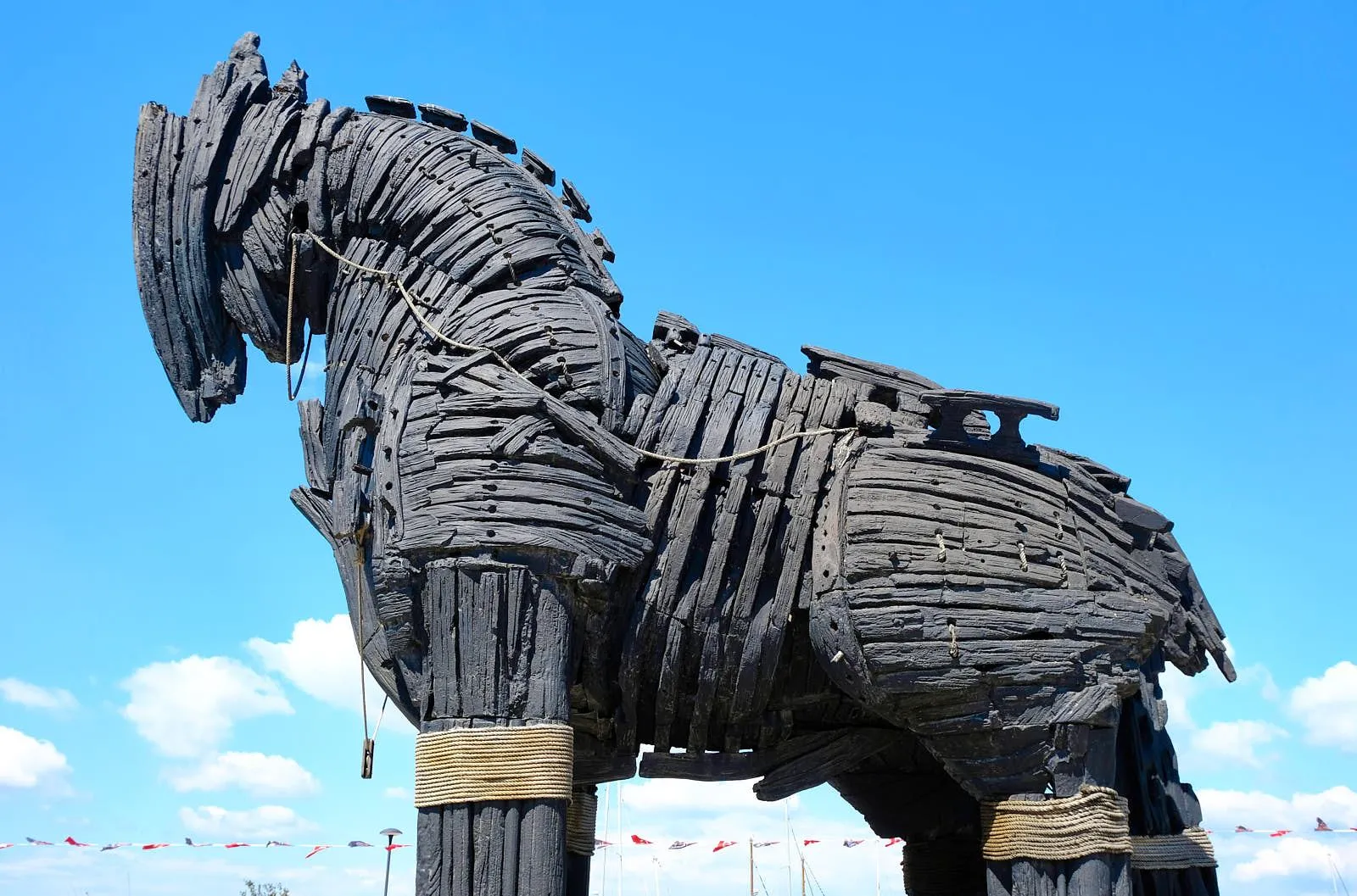
About 30 kilometres from Çanakkale lies ancient Troy. Admission to the ruins and museum (where you can easily lose track of time) costs 27 euros (30.3 USD).
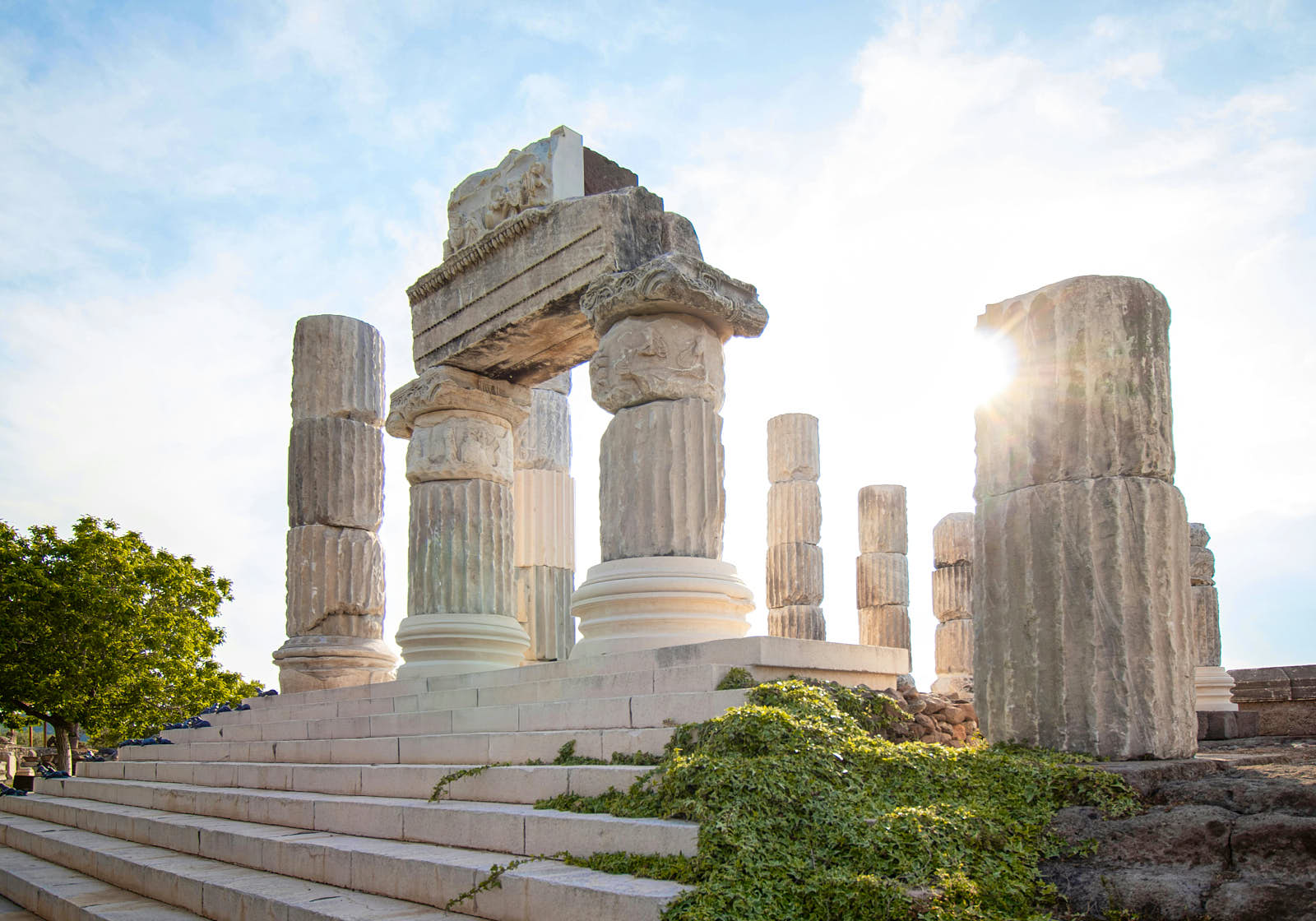
If you continue along the coast, you will regularly come across various ruins from the Greek period. Here are a couple worth visiting: Apollon Smintheion in the village of Gülpınar. Entry costs three euros (3.37 USD). Though the most important and impressive parts are easily visible from outside the fence for free. The ruins of Assos — 11 euros (12.3 USD). This is an extensive complex, and it's worth more than a quick look from the fence — plan to wander the grounds for several hours.
Where to stay. Set Özer — 80 euros (89.8 USD), Aybek Ratio — 60 euros (67.4 USD), Parion — 70 euros (78.6 USD).
Ayvalık
A city with an extraordinary amount of historic Greek architecture, a fully preserved urban fabric, and virtually no modern intrusions. The only difference: Turkish lokantası have replaced the Greek tavernas.
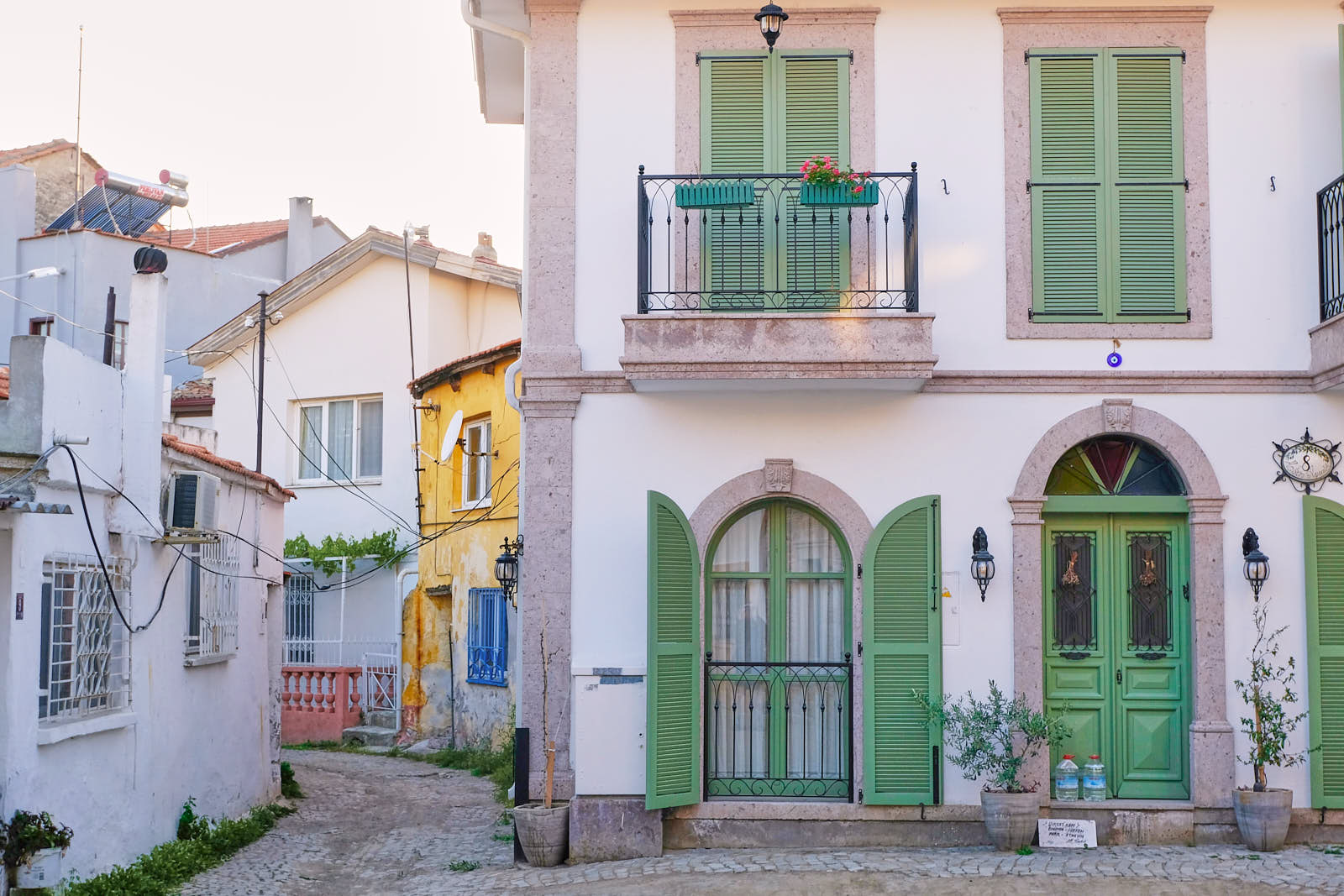
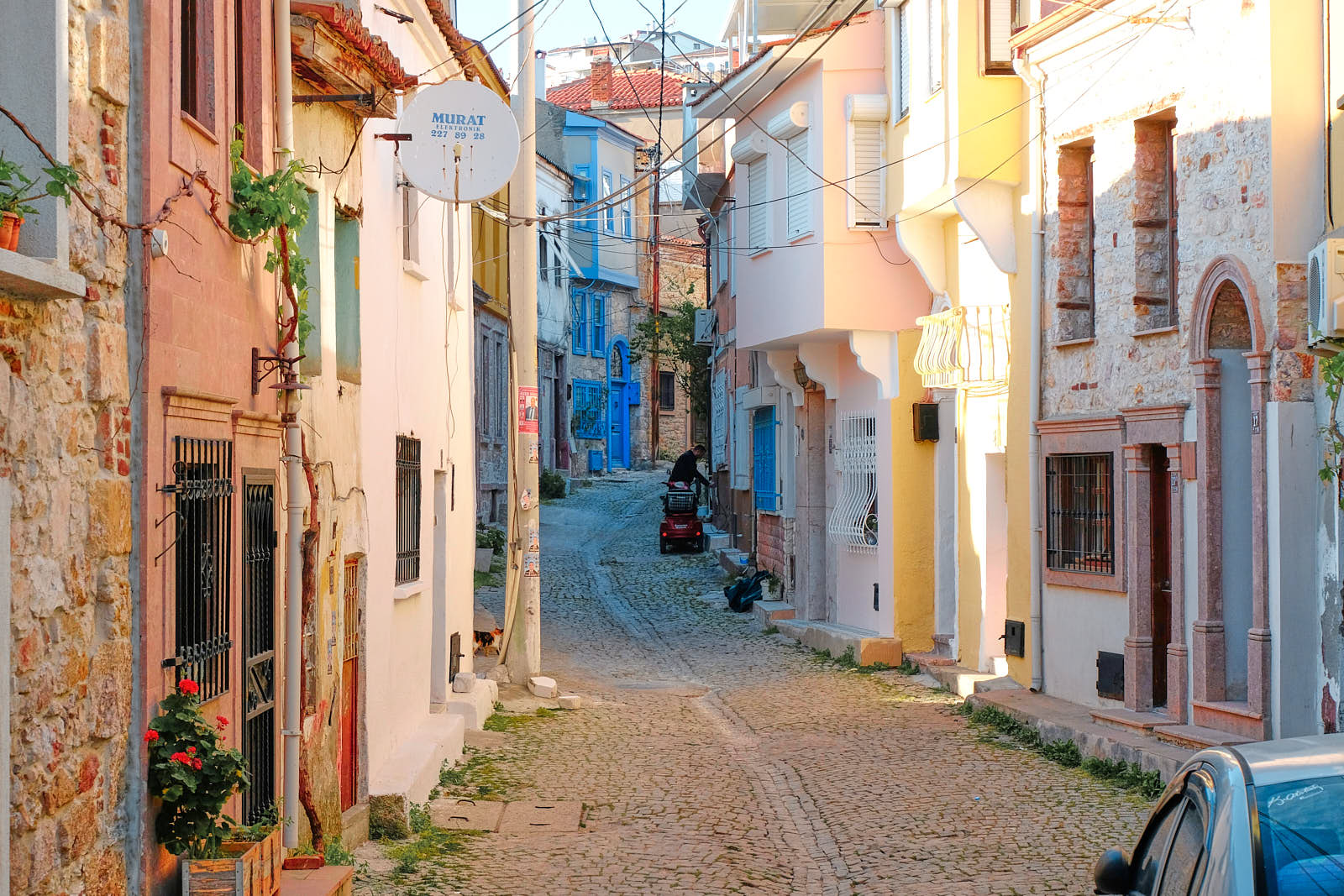
At first the city can feel unwelcoming: a highway splits it into two parts — the waterfront strip and the inland quarter. The waterfront strip is small, made up of literally a couple of streets running parallel to the water. There is no proper promenade, and most of the buildings house restaurants and noisy bars. In season it is loud and uncomfortable; out of season all the venues are closed and the place feels empty and abandoned — though the architecture is still beautiful. Many visitors end up disappointed without ever crossing the road. Yet all the real charm lies on the other side. The genuine, living city, with its market tucked away and its bazaar, stylish coffee shops, churches converted into mosques (Saatli), and tiny antique shops on Barbaros Street.
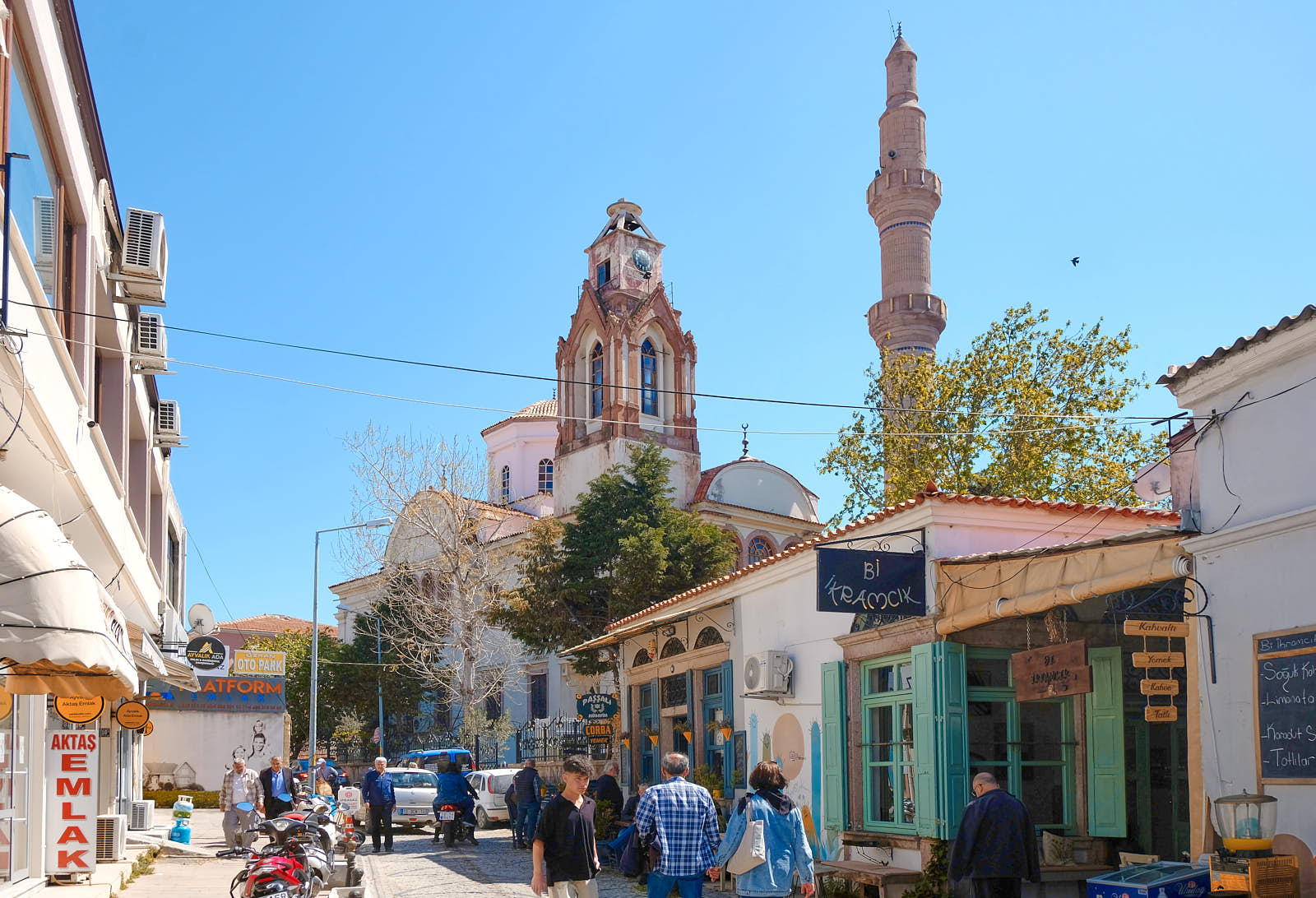
The shopping centre Kirlangic occupies the buildings of a historic shipyard. The recently opened Technical Museum in a restored space impresses not only with its collection of machinery but also with its architecture. Admission costs 220 lira (4.45 USD).
The Cunda peninsula — people come here to escape the noise of the city, though the village of the same name is packed at weekends. It has preserved its historic buildings, windmills on the outskirts, and a massive church in the village centre. It is now home to the Rahmi Koç Museum — a branch of the museum in Ayvalık. The church has been restored, frescoes and all, and houses a collection of vintage objects ranging from toy cars to ship components and shop cash registers. Combined with the architecture, it looks fantastic. Admission is 220 lira (4.45 USD); a combined ticket covering this museum and the Ayvalık museum is also available for 390 lira (7.89 USD). The same ticket is sold at the Ayvalık Technical Museum.
Also in Cunda there is a windmill and a small chapel that has been converted into a library. They sit on a hill with a simple café nearby, so you can admire the view, read a book, and drink coffee overlooking the town and the sea. The chapel was also restored with funding from the Koç family. Rahmi Koç is a businessman from one of Turkey's most influential families: Koç Holding is the country's largest company, accounting for 10% of Turkey's total output.
Food and drink. Çorbacı Yücel — home cooking and soups, tasty and affordable. Uncle's Pizza House — Italian cuisine and pizza — 310–550 lira (6.27 USD–11.1 USD), Tostuyevski — various kinds of toast, including the Ayvalık toast — with sausages, French fries, vegetables, cheese, mayonnaise, and ketchup. Paleo — a specialty coffee shop with a cosy terrace, Şeytanin Kahvesi — a tea house filled with artefacts from the history of the city and the family that has owned the establishment for a hundred years.

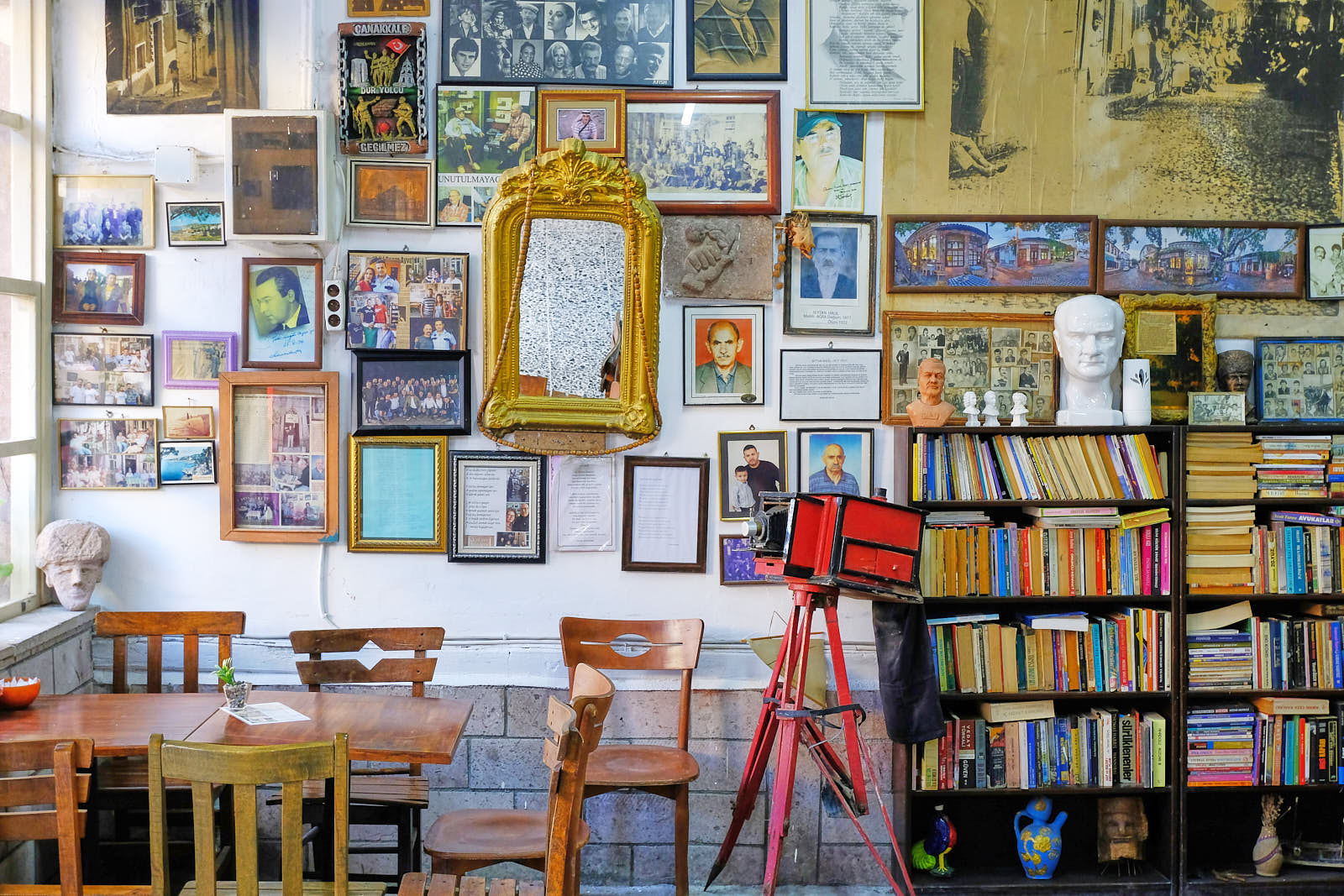
Accommodation. Bonjour Pansion — a large historic mansion away from the noisy streets and tourist crowds, converted into a guesthouse. A night costs 50 euros (56.1 USD) per night. Hairiye Hanim Ege — a cosy guesthouse in a historic house on a quiet lane away from the tourist crowds. You can order breakfast from the hosts or cook for yourself in the large kitchen and then eat in the shady courtyard. A night here costs just 20 euros (22.5 USD). Ayvalık also has plenty of great apartments — and often entire houses — available for rent, though they are all listed on Airbnb. If you have a foreign bank card, we recommend booking an apartment in Ayvalık specifically through Airbnb.
Aliağa
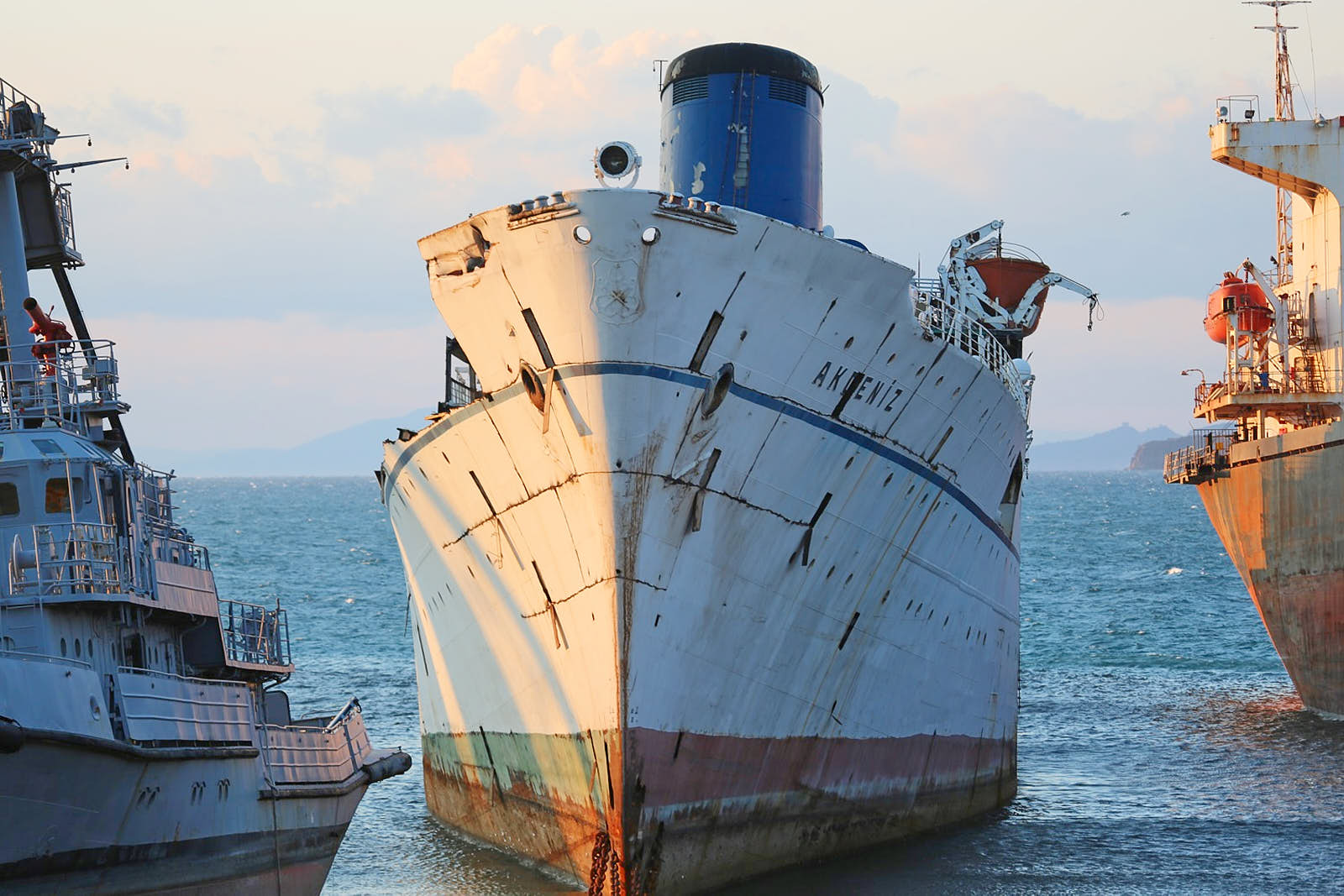
Aliağa is one of only four places in the world where ships are scrapped. The other three are India, Pakistan, and Bangladesh. Getting up close is not an option, and even taking photos freely is tricky, since the shipyard guards tend to discourage it — but even from a distance, the sight of vessels in various stages of dismantlement is striking. The street Aygaz Cd runs along the shipyard where the ships are berthed, and you can drive along it to catch a distant glimpse of the scrapping operations. Alternatively, park near one of the junk shops selling salvaged ship parts and pick up a ship's headlight or lantern. Be prepared to haggle hard, because the initial asking prices are completely unrealistic.
Focea / Foça
Another town on the Cittaslow list. But this is yet another case — much like Akyaka — where it's not entirely clear what earned it that title. There's also Seferihisar, which seems to have awarded itself the designation. It's not worth stopping there even for an hour.
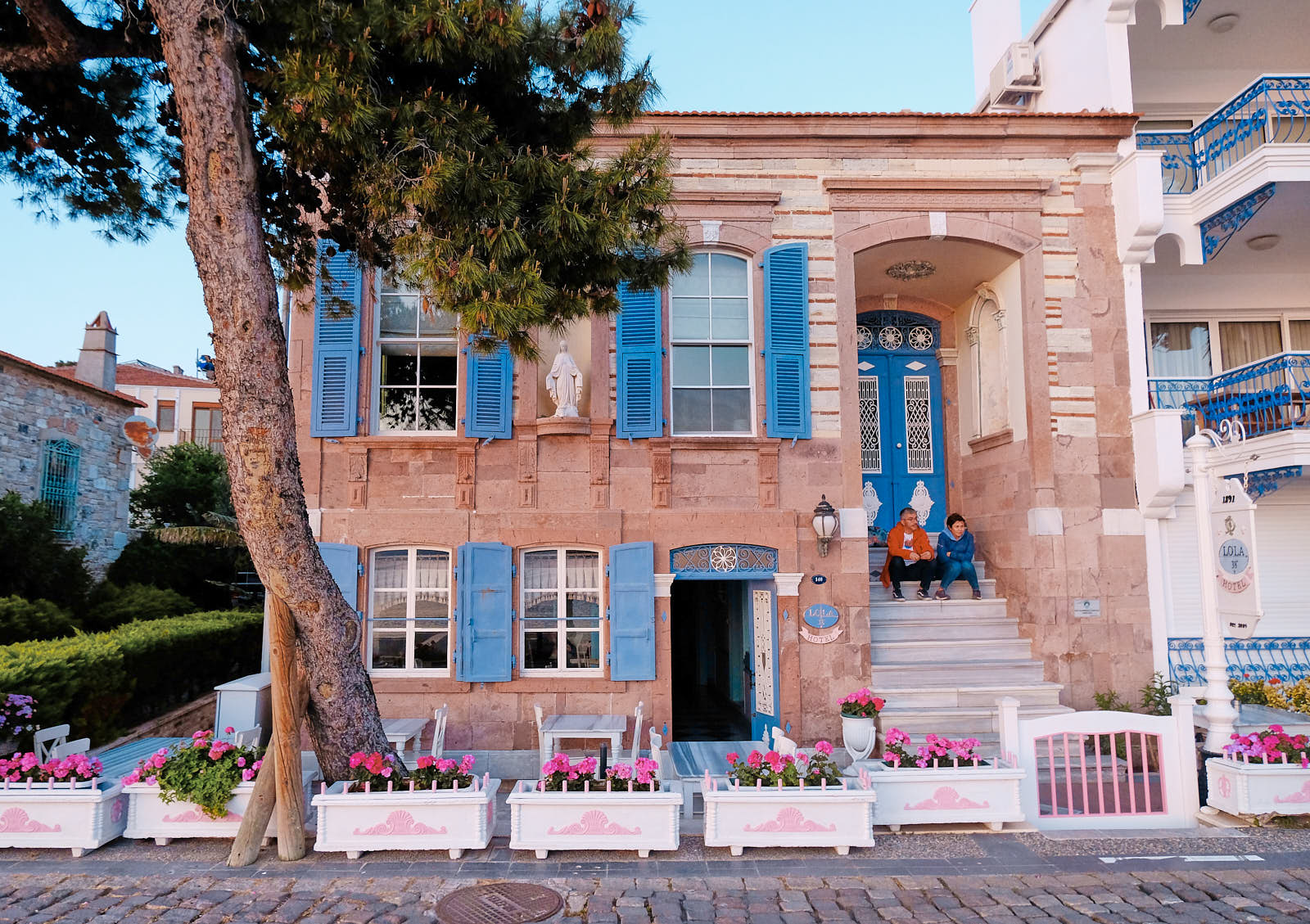
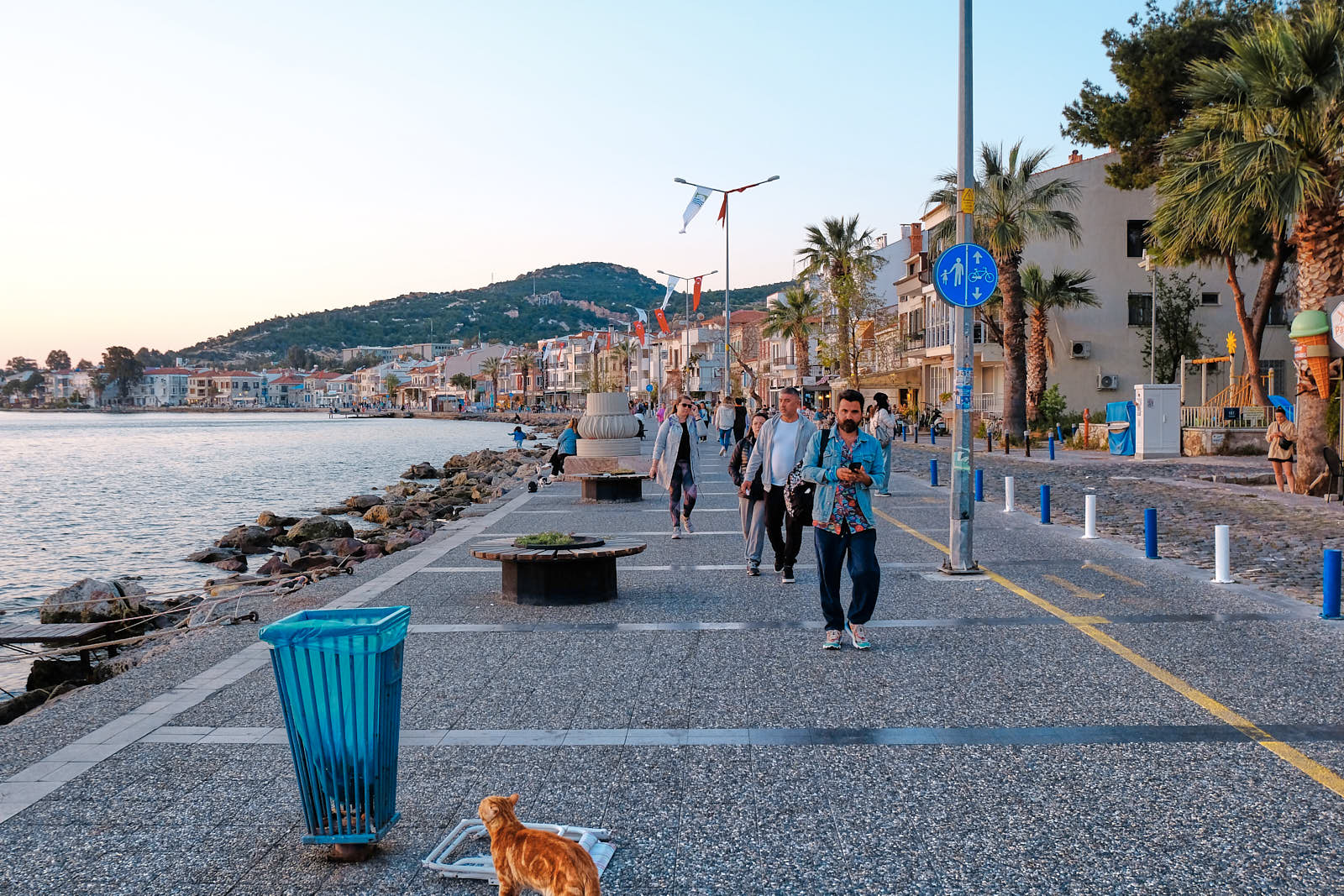
Foça is absolutely packed with tourists. All the action is concentrated around the semicircular marina where local fishermen moor their boats. Every building facing the water is a restaurant. The old town is not very large, and there is also a fortress. On the hill behind the town stand three half-ruined windmills. The views from up there are beautiful, and it's the best spot to watch the sunset. Out of season, Foça is almost certainly far more pleasant than in summer.
On the way to İzmir you can stop at the lagoonswhere flamingos live — you can get remarkably close to them. And this is not a zoo; it's their natural habitat.
Where to stay. Midilli Konak — a small waterfront hotel with stunning sea views — 75 euros (84.2 USD). Foca Antik — a two-storey guesthouse with just four rooms; a night will cost 60 euros (67.4 USD). Karacam — 80 euros (89.8 USD) per night for a room. An apartment in a charming small historic house, Miniq Home, located right on the waterfront. You'll need to contact the owners directly to ask about the price, but the place is so lovely that the extra effort is well worth it.
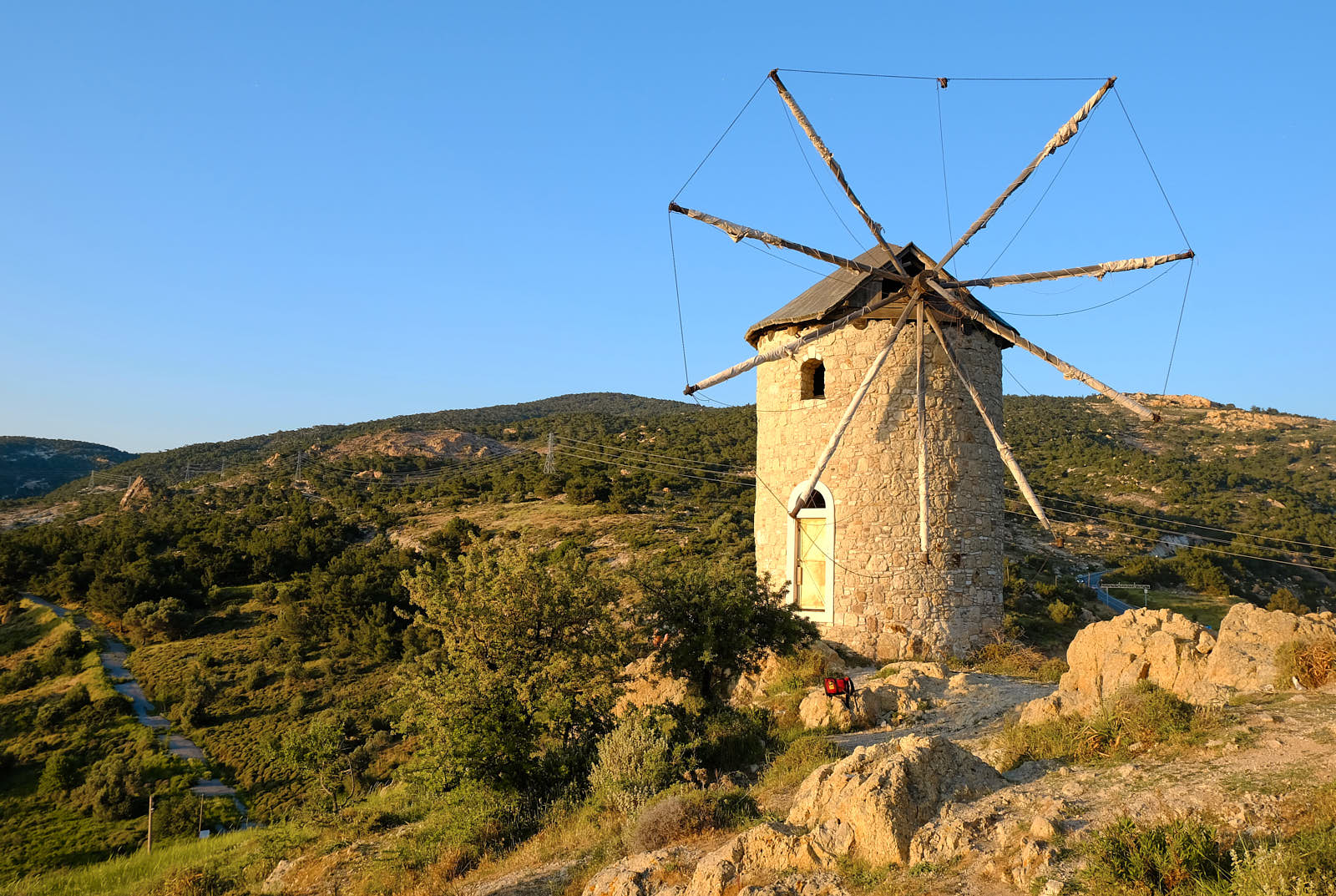
On the hill behind the town stand three half-ruined windmills. The views from up there are beautiful, and it's the best spot to watch the sunset
İzmir
İzmir is a vast, lively, and thoroughly fascinating city. It makes an excellent one- or two-day stop to rest from the road. Leave your car in the hotel parking lot and set off to explore on foot — searching for parking in central İzmir is a complete waste of time.
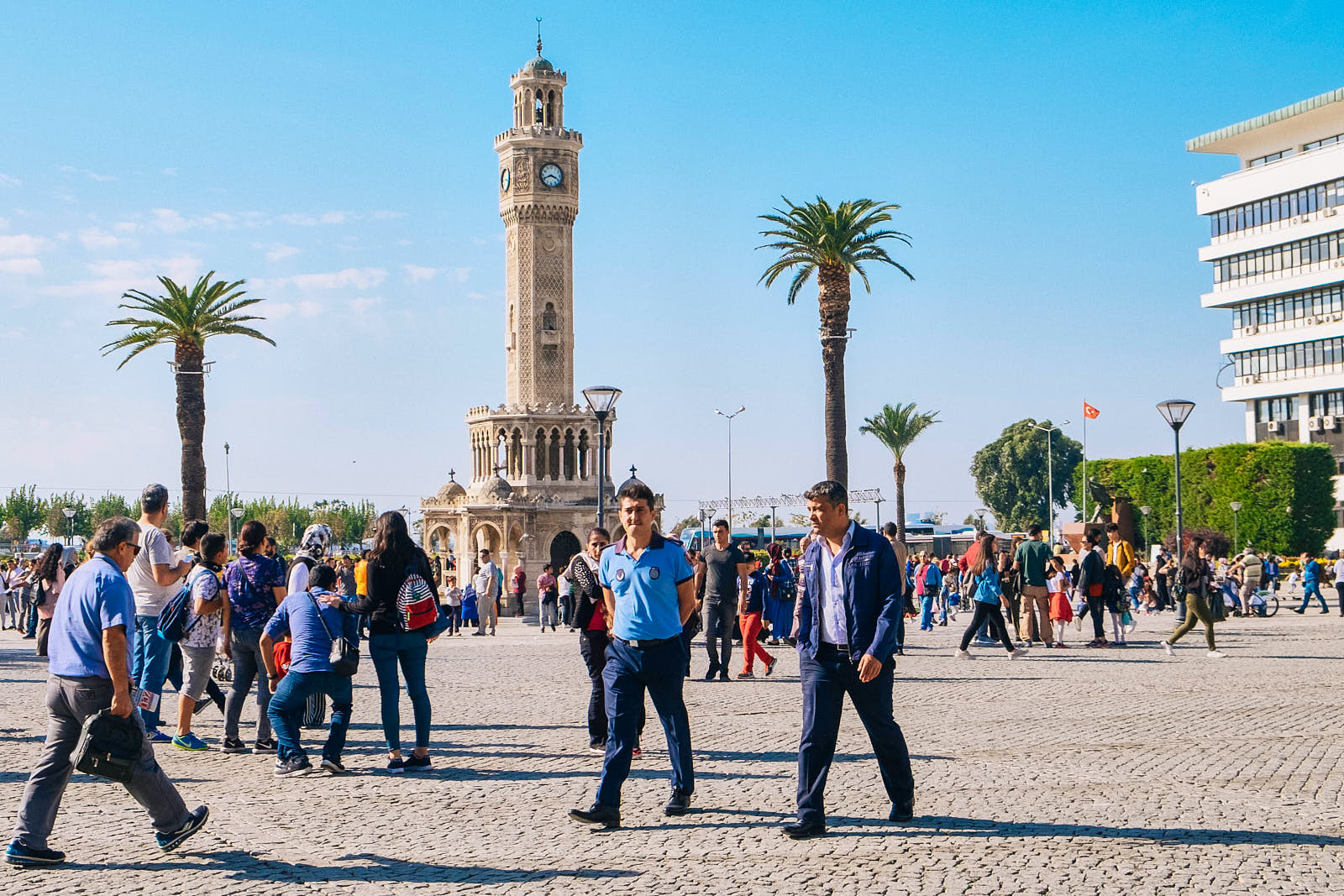
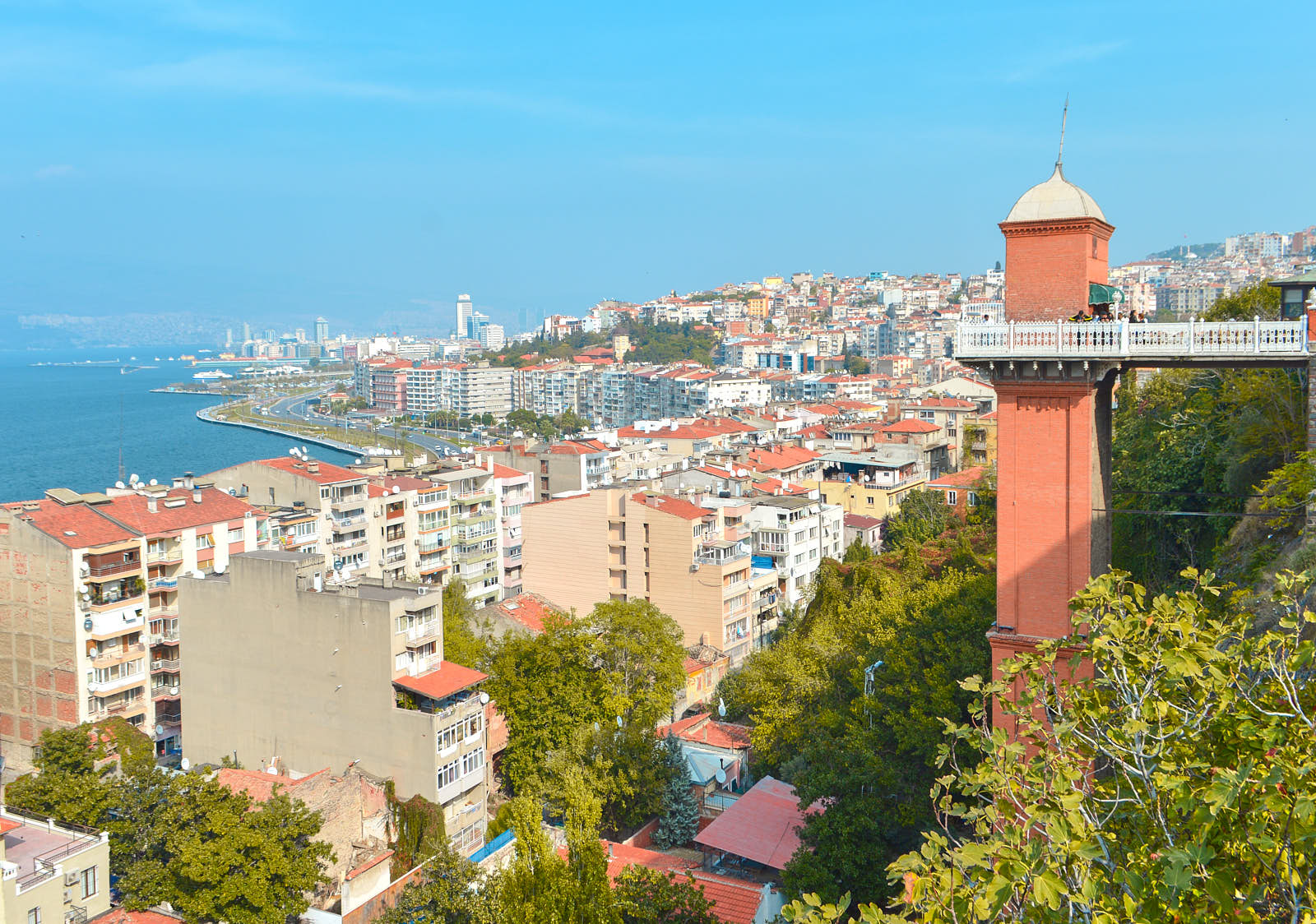
A good place to start a walk is Basmane railway station, from where you can wander gradually through the historic quarters, taking in the large bazaar Kemeraltı, and make your way down to the waterfront. If you want to get pleasantly lost on narrow streets, head toward the Yeni and Suvari neighborhoods and walk in the direction of Fatih Mosque. Nearby there is a wonderful tea house with sea views, and from there, refreshed, you can continue down to the water. Konak Pier, like many along the coast, is no longer used for its original purpose, and the buildings have been converted into retail spaces — a fine example of urban revitalization. The historic Asansör tower Asansör and its historic elevator are reason enough to visit this not particularly touristy neighborhood. Galeri A — a gallery housed in a beautifully restored historic building.
A ferry can take you to the other side of İzmir, to the Karşıyaka district — the name literally means "the other side." There are no major historic sights here; it is simply a large residential neighborhood. You can take a quiet stroll along the waterfront, watch pelicans begging for fish from local fishermen, grab a toast sandwich with ayran at the popular street window Çağdaş Büfe , and then head back to the center by ferry.
From İzmir it is easy to make day trips to the ruins of Ephesus, the Çeşme Peninsula, and Alaçatı — a charming town with beautiful old stone houses.
Where to stay. In the central Konak district. For example, consider these apartments with a rooftop terrace and wonderful views over the city — from 75 euros (84.2 USD) per night.
Food and drink. Coffee Mamma — a roastery, gallery, and café in an industrial part of İzmir — not the coziest spot, but original. If you want coffee in the center, grab a table at Junker on the Kıbrıs Şehitleri pedestrian street.
Hamurcu — a small restaurant specializing in manti, tiny Turkish dumplings.
Doğa — an inexpensive local café popular with students, and priced accordingly.
Uwawi — a mix of Turkish and European cuisine.
Yaşam — ideal for vegans or anyone tired of heavy Turkish kebabs.
The lively 1482 Sokak street and its surroundings are packed with bars and cafés. A good place to start is Kepler Pavilion, and you can move on to a different spot for each round after that.
Çeşme
Another tourist town on the coast. It has all the usual features: a waterfront promenade, an old Greek quarter, and a main pedestrian street. It still makes for an excellent one-day stop, and the crowds feel less overwhelming than in Foça.
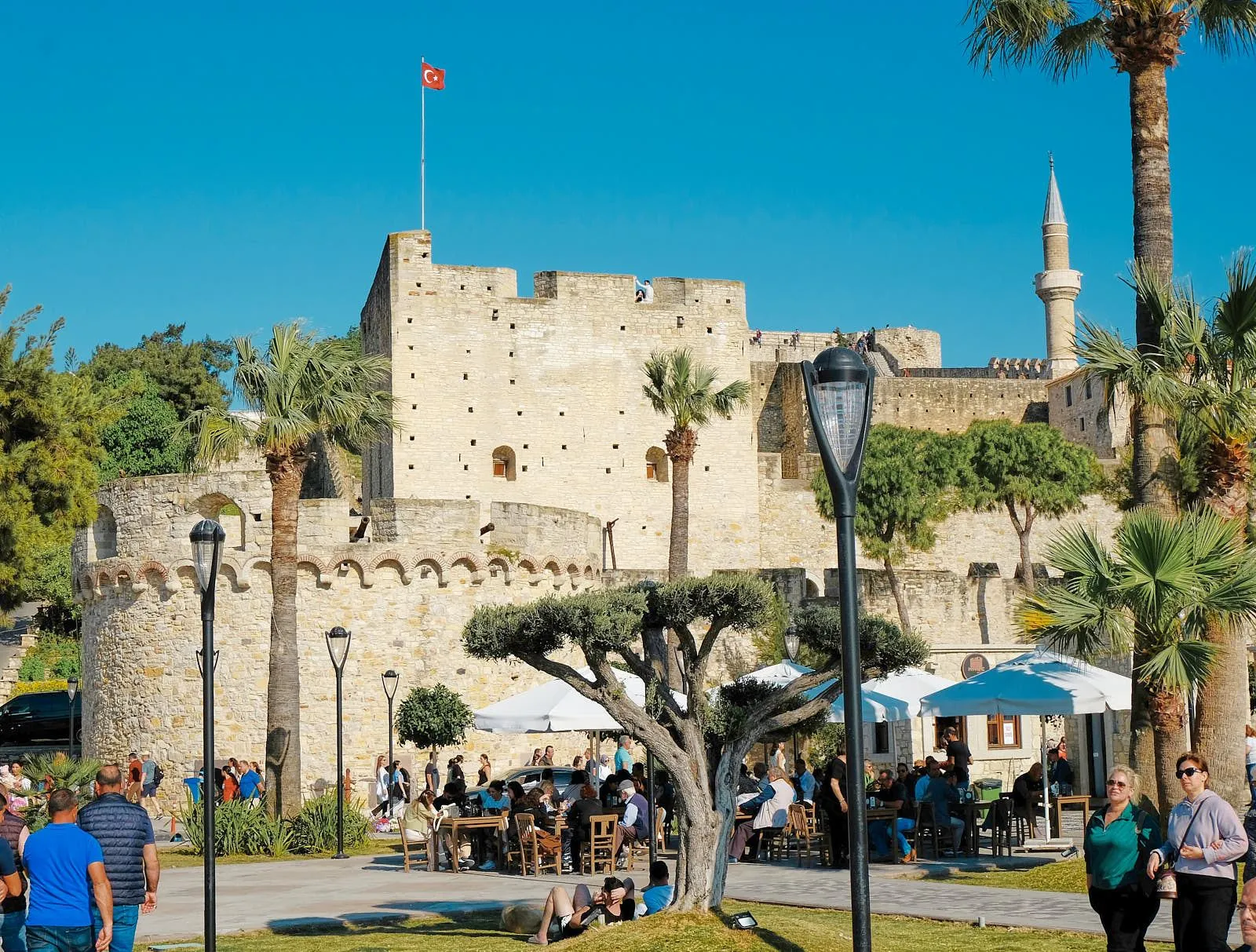
Something out of the ordinary — Ayios Haralambos — a Greek Orthodox church that has been turned into a handmade goods market. There is a fortress on the waterfront with a six-euro entrance fee (6.74 USD). Far more important and interesting than the fortress, however, is the new museum of urban memory. Housed in a small historic building, it displays objects connected to the city and everyday life alongside the personal memories of ordinary Çeşme residents. Entry is free. The museum is so good that Çeşme alone is worth visiting just for it.
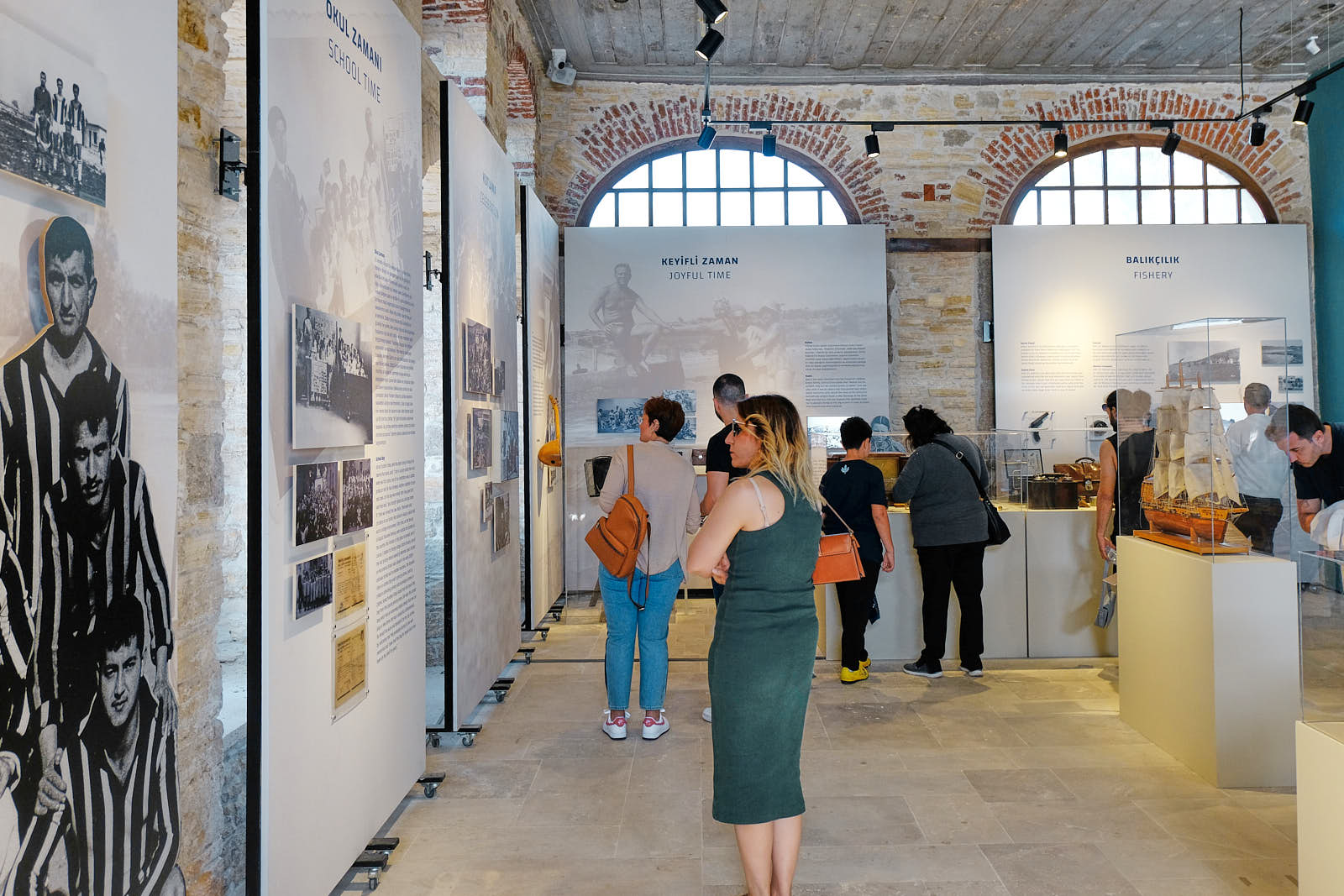
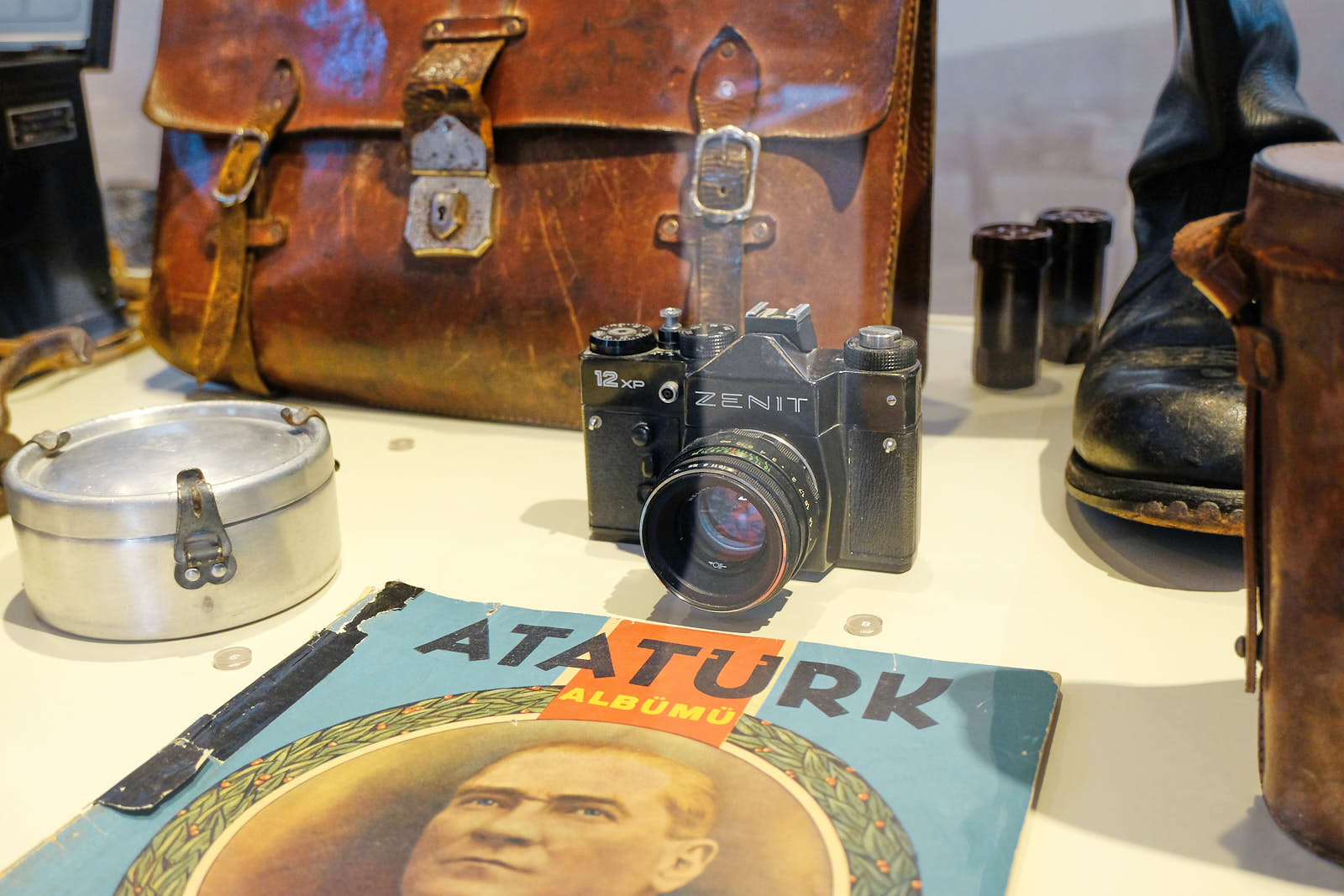
Around the marina you will find various establishments, most of them not particularly cheap. It is generally not the best place for a stroll either — there are a lot of people, and there is no access to the water, as the boats and the sea are behind a fence. Horasan Balık — a good spot in the center, whether you want to quickly grab a fish sandwich or sit down to a leisurely grilled fish dinner.
Where to stay. Eflin Haus — a stylish hotel in a historic building right in the center, one kilometer from the sea — from 50 euros (56.1 USD) per night. Here are a few seafront hotels with sea views from the rooms — Villa Veria and Horasan — 50 euros (56.1 USD) per night, Atrium Taş — slightly more expensive and a little further from the center, but quieter — from 70 euros (78.6 USD) per night. The Local House is located in a small village outside Çeşme, surrounded by nature — 390 euros (437.8 USD) per night.
A 9–10 Day Route Around Istanbul
You can fly into Istanbul and start your road trip straight from the airport without even heading into the city. Cars can be rented at both Istanbul Airport (IST) and Sabiha Gökçen (SAW).
Day 1. Airport → Edirne.
Day 2. Edirne → Gelibolu → Çanakkale.
Day 3. Çanakkale → Kazdağı National Park → Balıkesir.
Day 4. Balıkesir → Bursa.
Day 4. Bursa.
Day 5. Bursa → Eskişehir.
Day 6. Eskişehir.
Day 7. Eskişehir → Sakarya → İznik.
Day 8. İznik → Şile.
Day 9. Şile → Rumeli Feneri → Airport.
Edirne
Edirne is a city located close to the borders with Bulgaria and Greece, and culturally it has more in common with those countries than with Turkey. This is the historical region of Thrace, with its own somewhat distinctive cuisine and history. Edirne was even the capital of the Ottoman Empire for a time, and after the capital was moved to Constantinople the city continued to be an important place for the Ottomans.
Edirne is notable for having a number of national and religious minorities that could rival even Istanbul. The city is a place of pilgrimage for practicing Baháʼíbelievers, as their founder — Baháʼu'lláh — spent two years in exile in Edirne. The house where he lived was purchased and efforts were made to preserve it in its original state. Unfortunately, outsiders are not permitted to visit Baháʼí holy sites. However, if you know someone within the faith, they may be able to arrange an invitation for you as a "friend of the Baháʼí Faith."
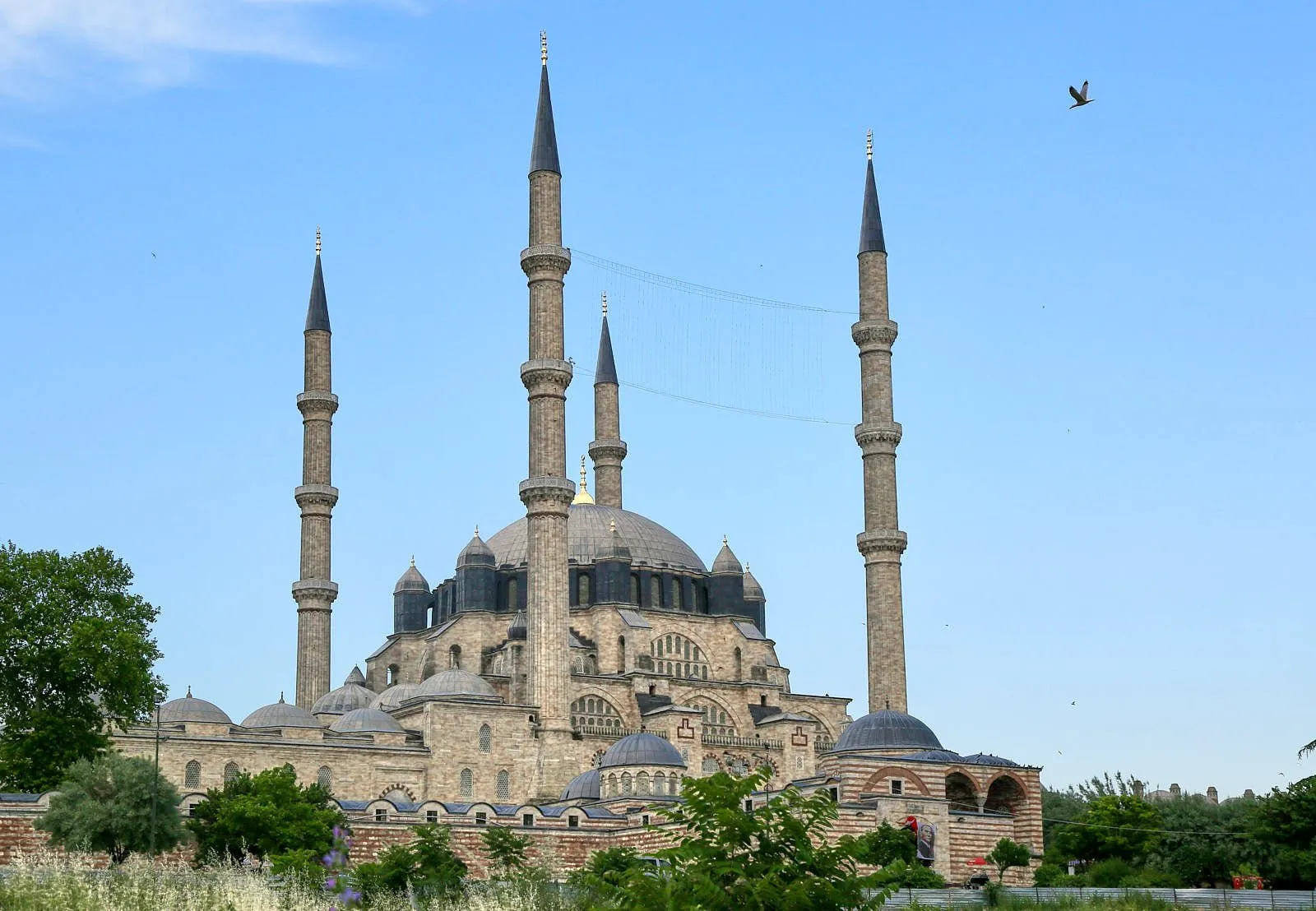
The main attraction of Edirne is the Selimiye Mosque — another masterpiece by Mimar Sinan, inscribed on the UNESCO World Heritage List. The city also has old churches, a synagogue open to visitors, a thoroughly European-style pedestrian street, and, of course, wooden mansions.
Gastronomically, Edirne is quite distinctive: dishes made from offal predominate, alongside refined desserts developed by Ottoman chefs for the sultans. A box of pistachio cookies or spiced halva known as Deva-i Misk would make a fine souvenir.
Where to stay. Good hotels in Edirne are hard to come by, and it's not just a matter of price. One of the most worthwhile options is West Door — spacious rooms, the ever-present swans on the bed, and an excellent breakfast — from 70 euros (78.6 USD) per night. And here are a couple of cheaper options, each with their own quirks — some are noisy, others get cold in autumn and winter — Edirne Osmanlı Evleri and Edirne Park Hotel — from 50 euros (56.1 USD) per night.
Gelibolu
Like many towns along the coast, until the 1920s this was a city with a predominantly Greek population. An interesting fact: between 1920 and 1923, General Wrangel's Russian Army was stationed here — around 25,000 people — more than the local population at the time. In the tower located in the old fishing harbor, there is a museum named after the Ottoman navigator Piri Reis. During the Russo-Turkish wars, Cossack prisoners were held in this tower. At the French military cemetery there is a section with Russian burials and a memorial in memory of the Russians interred here — among them princes Dolgorukov, Apraksin, and many others. On the waterfront there is also a curious museum of vintage tractors— the ticket costs just 100 lira (2.02 USD). There is nothing particularly special beyond that; you can take a stroll along the embankment, have a glass of tea, grab a cheese toast, and move on.
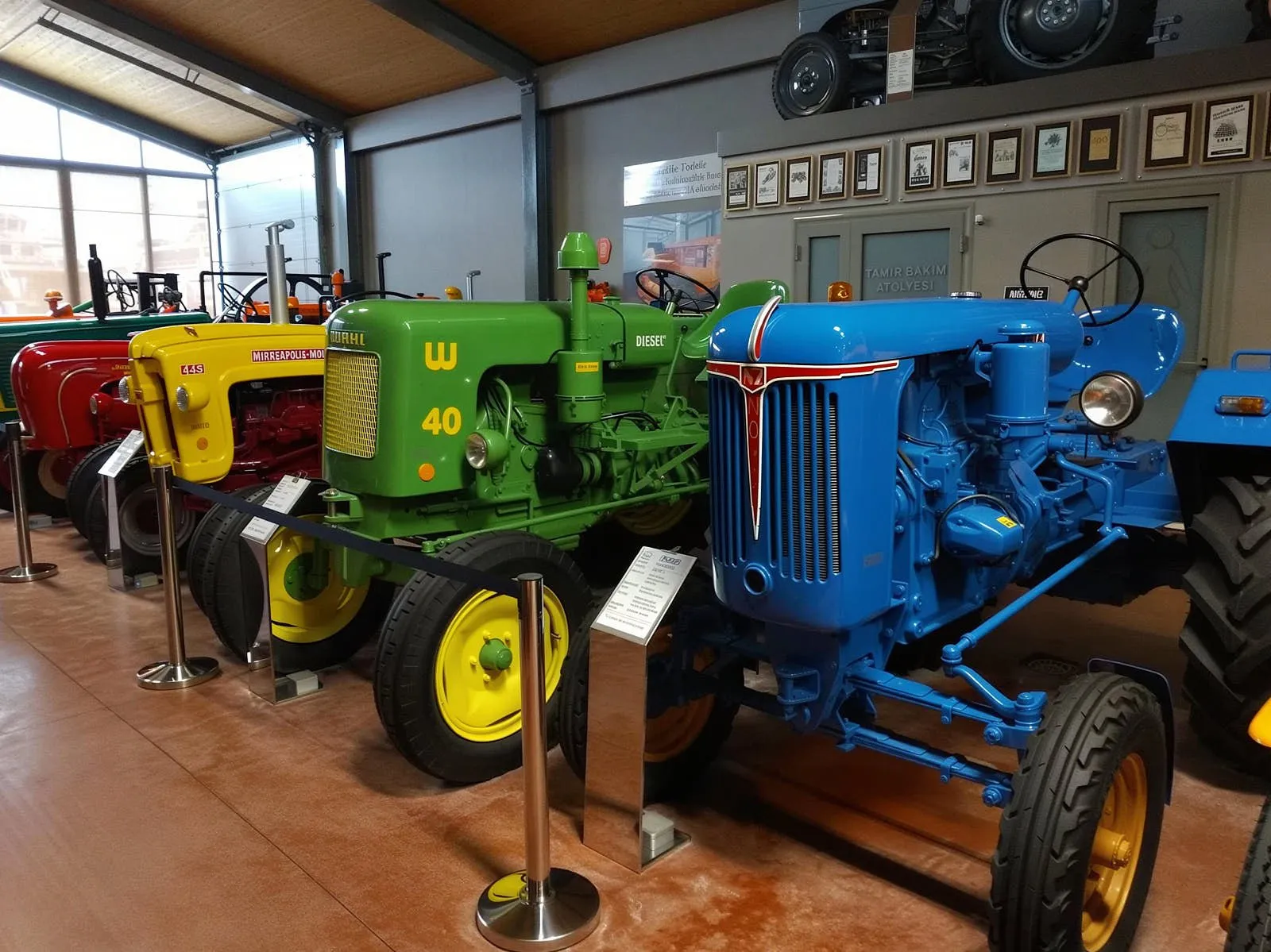
Çanakkale
Çanakkale is covered in the section above.
Kazdağı National Park
There are not many hiking trails in the national park. One trail runs almost all the way through it from south to north, crossing peaks at around 1,000 meters. It starts in the village of Altınoluk and leads to the highest point of the park — Mount Kazdağ (1,774 meters). The trail is approximately 20 kilometers long. On the other side of the mountain there is a road that allows you to drive all the way up to the summit. The second route is a loop trail that also begins in Altınoluk. Midway along the route you will pass the Ayı Gülü waterfall. The total length of this route is 37 kilometers, and to complete it in a single day you need to set out very early.
The park also features the Sütüven Şelalesi and Hasanboğuldu waterfalls. You can leave your car in the village of Kızılkeçili and walk the remaining three kilometers on foot. The maximum height of the waterfall is 17 meters.
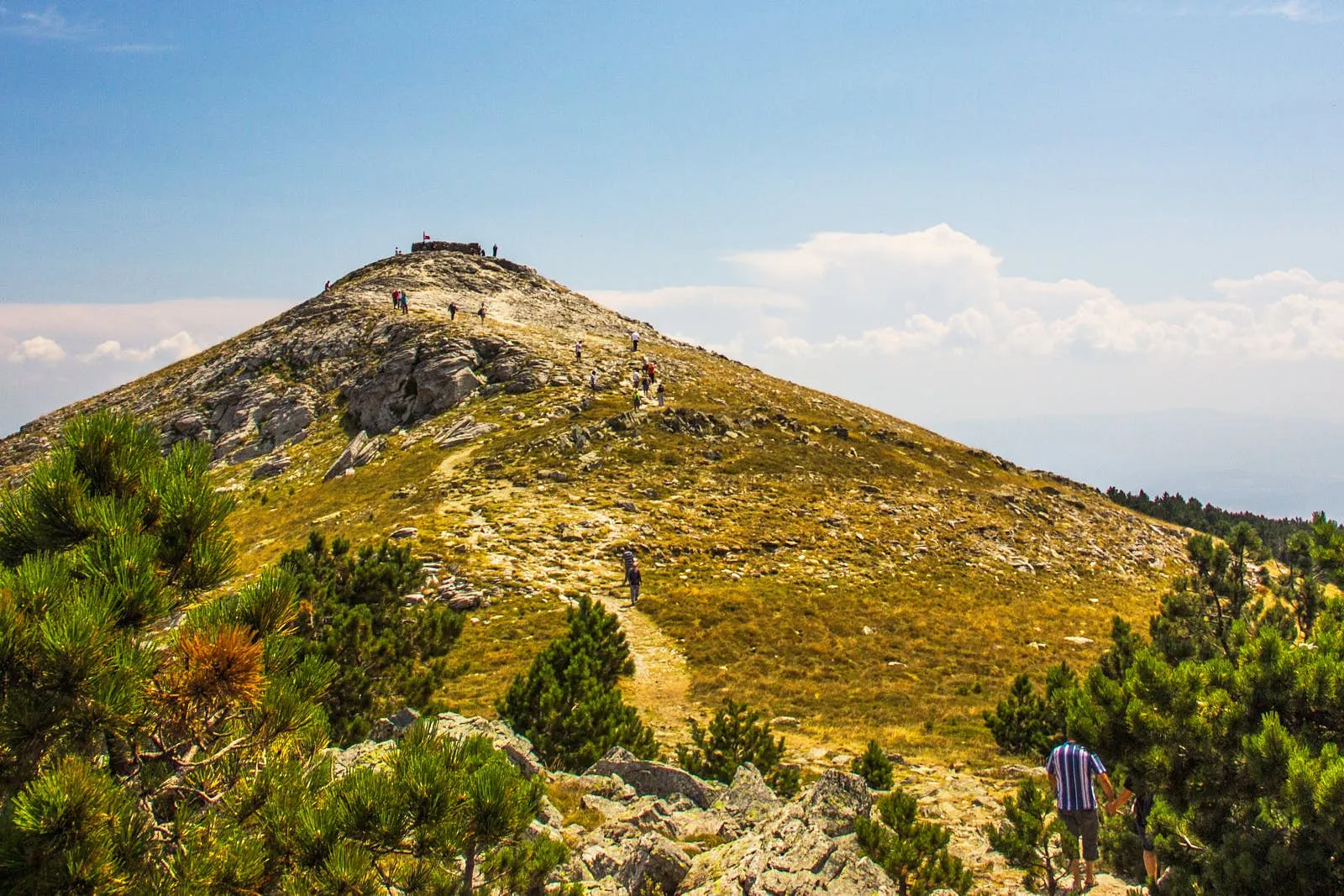
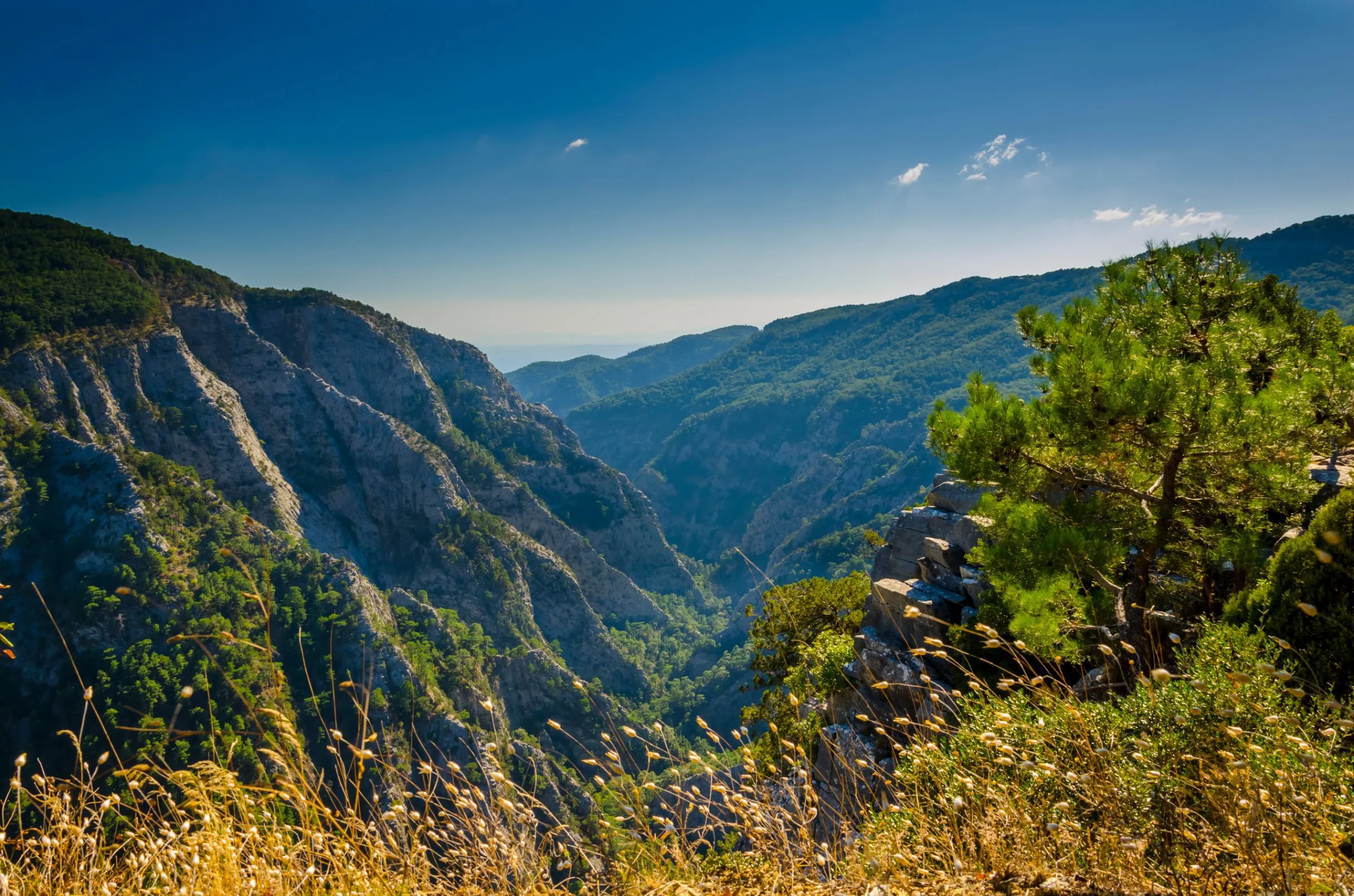
Balıkesir
First of all, the city of Balıkesir is a sister city to Kazan and Makhachkala. Many of the city's sights are connected to the Ottoman vizier Zağanos Pasha, who was born and is buried in Balıkesir. Chief among them is the Zağanos Pasha Mosque and his tomb nearby. The historic buildings in the area around the mosque have been preserved, and you can take a leisurely stroll there for an hour or two.
Where to stay. If you don't want to take your chances with local hotels, it's worth paying a little more and staying at a chain hotel such as Ramada Residences by Wyndham or Hilton Garden Inn — 70–75 euros (78.6 USD–84.2 USD) per night.

Bursa
Bursa is a vast city of three million people, situated at the foot of Mount Uludağ (2,500 metres) and just 20 kilometres from the Sea of Marmara coast. Tourists rarely come here — there are no must-see sights as such, and the city isn't on the coast either. But anyone who loves the vibe of big cities will enjoy it.
Bursa's city centre, together with the village of Cumalıkızık, is listed as a UNESCO World Heritage Site as an example of Seljuk settlement. More than 250 historic buildings have been preserved in Cumalıkızık.
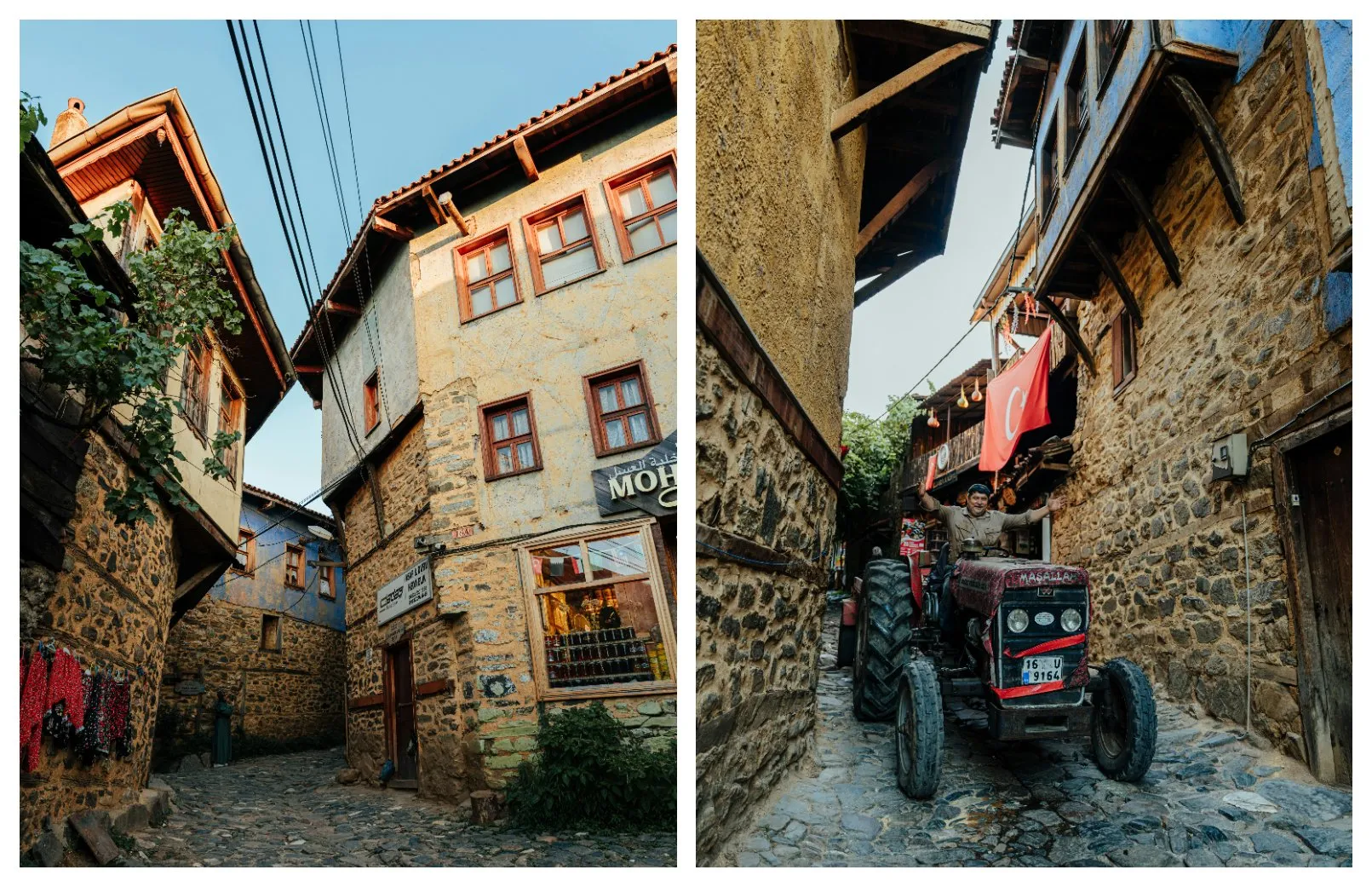
Timsah Arena is the stadium of the local football club Bursaspor. But even if you're not interested in football, it's still worth a look — the stadium is built in the shape of a crocodile: the arena forms its body and tail, and spectators enter the stands through an open mouth.
Here are a few more sights to make wandering the city a little more interesting:
• Mosques of Sultan Emir from the 14th century, and Ulu Cami and Yeşil Cami from the 15th century.
• The Koza Han silk market has been operating since the late 15th century. Just as 500 years ago, silk is still traded here. Inside you'll find the popular Hacı Şerif café, known for its desserts, open since 1938.
• The Mausoleum of Osman Gazi — the first Ottoman sultan. Open every day from 8:00 to 17:00, admission is free.
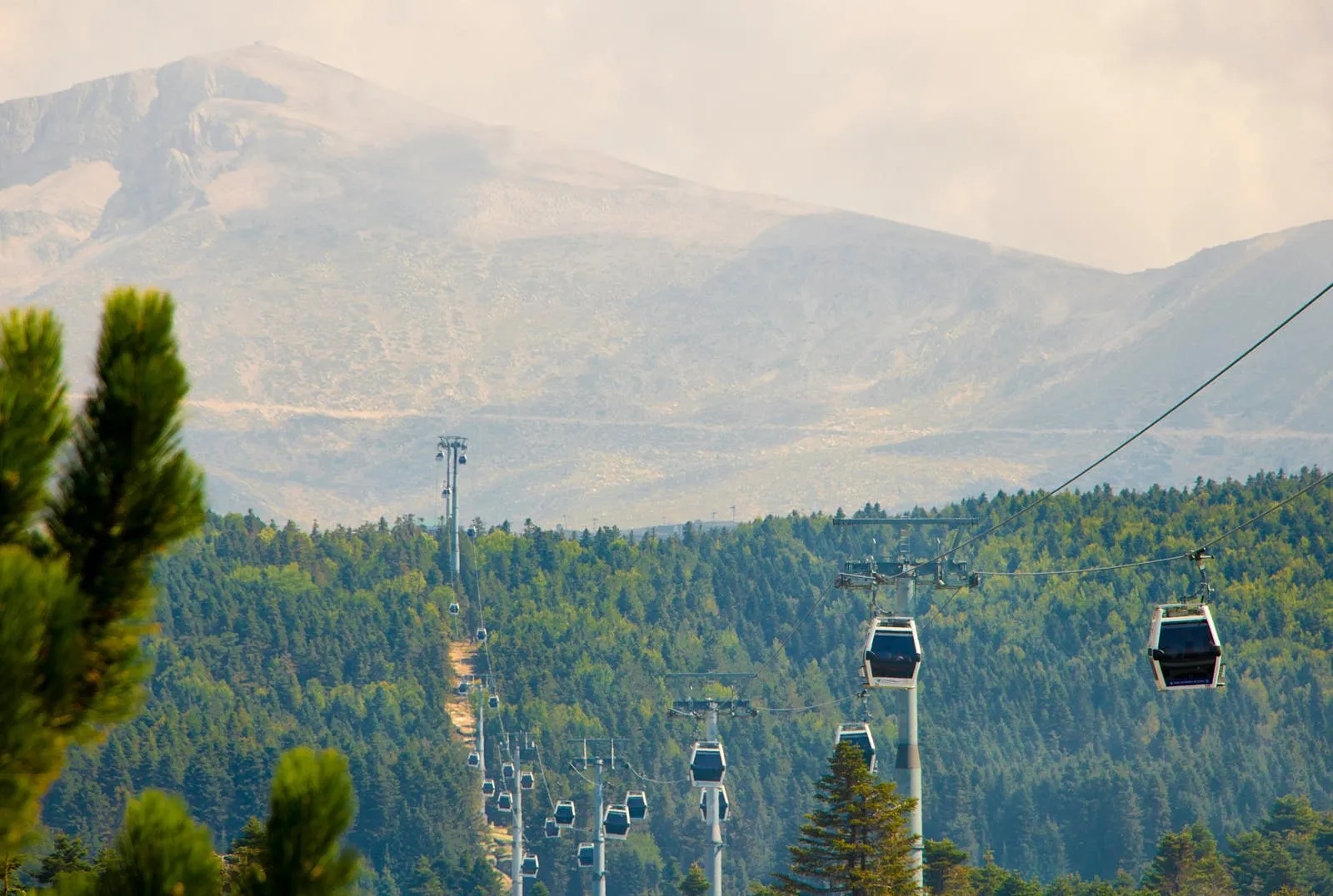
• The cable car to Mount Uludağ consists of two sections. In bad weather, the section that takes visitors to the very summit is closed, so check before buying your ticket. The journey to the top takes a full 40–50 minutes. A return ticket costs 900 lira (18.2 USD). In winter, a ski resort operates here.
Where to stay. The historic city centre has the largest concentration of hotels and the lowest prices. Here are a couple of options under 50 euros (56.1 USD): Grand Family (a historic building with spa services available at an extra charge) and B Loft. Lilium Hotel & Suites rises above the Old City, with great views from the rooms — from 55 euros (61.7 USD). The hotel Almira — a full spa complex with thermal springs — is an excellent choice for recovering after a long drive — 130 euros (145.9 USD) per night. The chain Mövenpick is even cheaper and also has a hot springs complex — 115 euros (129.1 USD).
Eskişehir
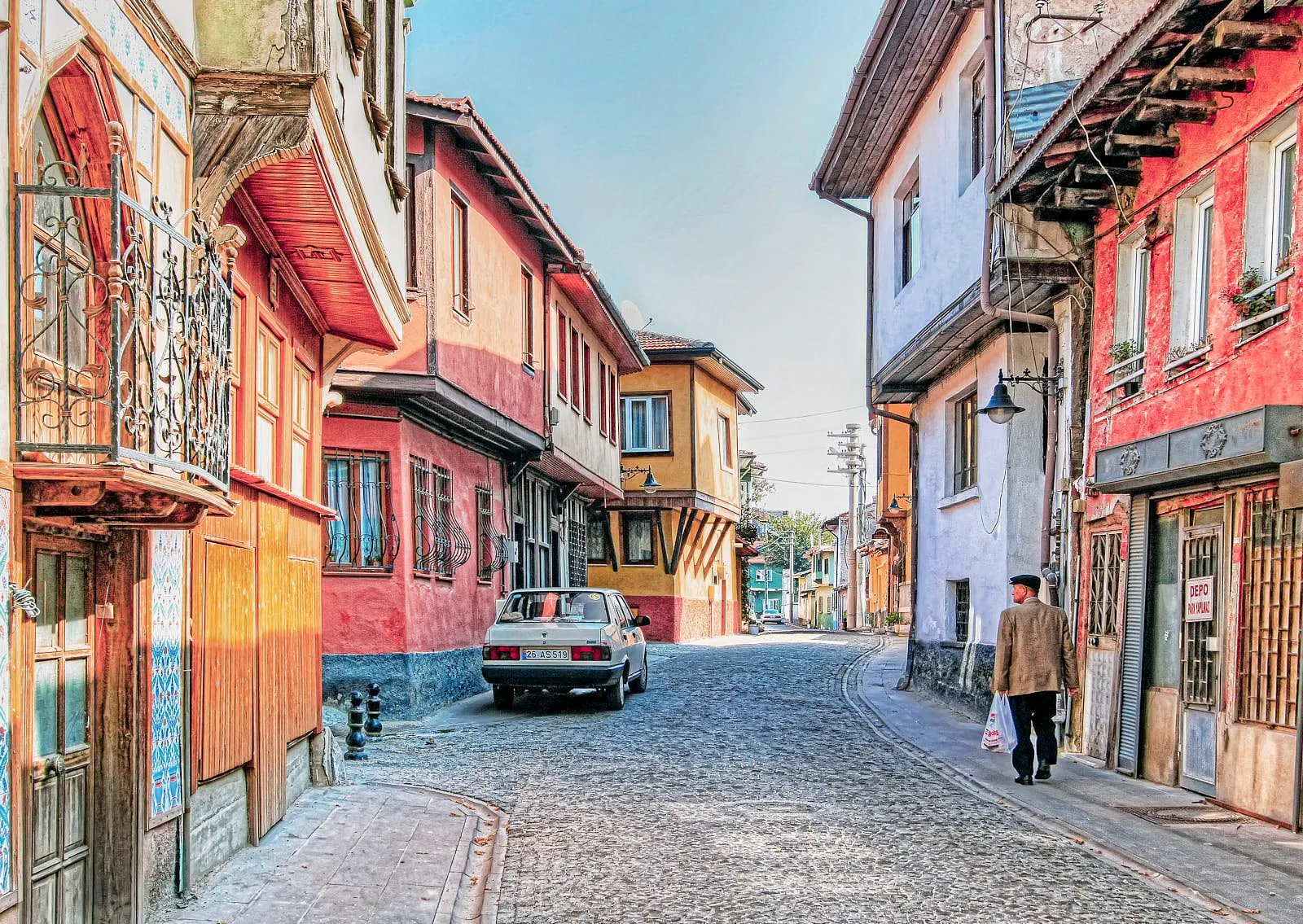
Eskişehir feels like a cosy European city with well-developed infrastructure, public transport, and pedestrian zones. In the early 2000s the city began to progress rapidly under its current mayor, Yılmaz Büyükerşen. He championed the expansion of the tram network, upgraded embankments and parks, and built cultural and science centres. These efforts have shaped what is arguably the most liveable and visitor-friendly city in Turkey. Despite this, the city has retained its Turkish character and traditions, which blend harmoniously with modernity. The historic centre of Eskişehir has been placed on the UNESCO World Heritage tentative list. The city is also home to a large Tatar community, so local cafés serve dishes from Tatar cuisine. Gondoliers take passengers along the Porsuk River. We have a separate article about Eskişehir with more detail.
Where to stay. Most hotels and apartments are located in two central districts of the city, where all the action takes place.
Tasigo Eskisehir — a five-star hotel that has won numerous awards. The property features a spa complex and a Turkish restaurant with excellent panoramic views. Prices for a double room start from 130 euros (145.9 USD).
Omm Inn — the hotel, like the OMM Museum of Modern Art, was designed by the well-known Japanese architecture firm KKAA. The interior of the rooms combines concrete walls with natural wood elements and furniture — the architects' tribute to modernist architect Louis Kahn. Prices start from 55 euros (61.7 USD) per night, including vegan breakfasts made from organic produce.
For 50 euros (56.1 USD) per night you can stay in the historic Odunpazarı district in recently restored Ottoman-style mansions built in the 1800s. Yuva Butik and Arasta Konak Otel offer charming rooms with wooden ceilings and plenty of windows. Guests praise them for their hearty traditional breakfasts.
Grande Arte and Grande Stellal are located on the lively streets of the Tepebaşı district, but within easy walking distance of all the entertainment, the Espark shopping centre, trams, and the Porsuk riverfront. Prices per night start from 60 euros (67.4 USD).
The city also has chain hotels for those collecting loyalty points —Hilton Garden Inn, Ramada Plaza by Wyndham, Park Dedeman — though all of them are located far from the centre, and reviewers note that the Turkish staff do not always meet international standards. On the plus side, you will find new buildings, large car parks, and good restaurants with varied menus nearby. A night at a chain hotel costs from 90 euros (101 USD).

İznik (Nicaea)
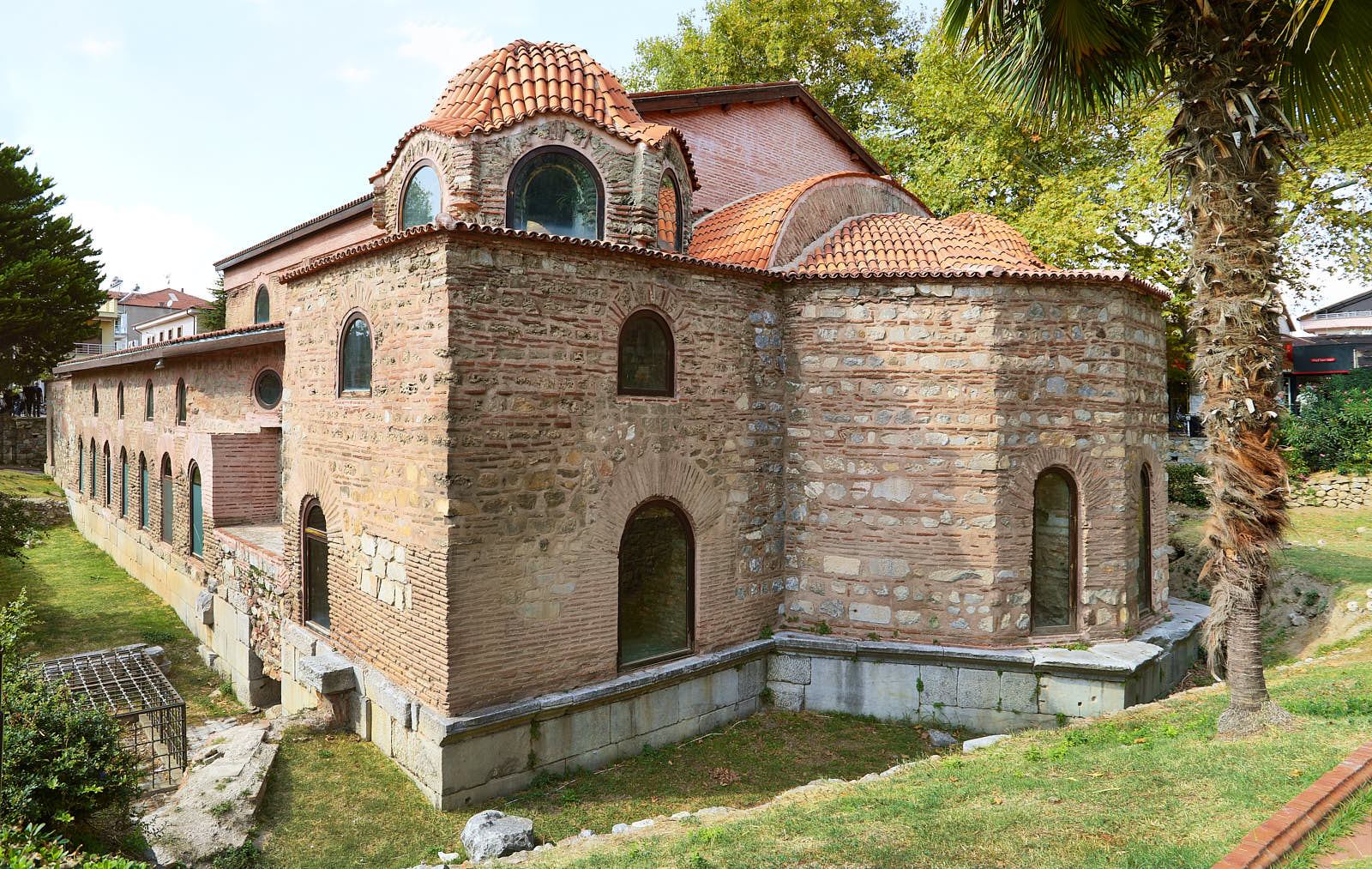
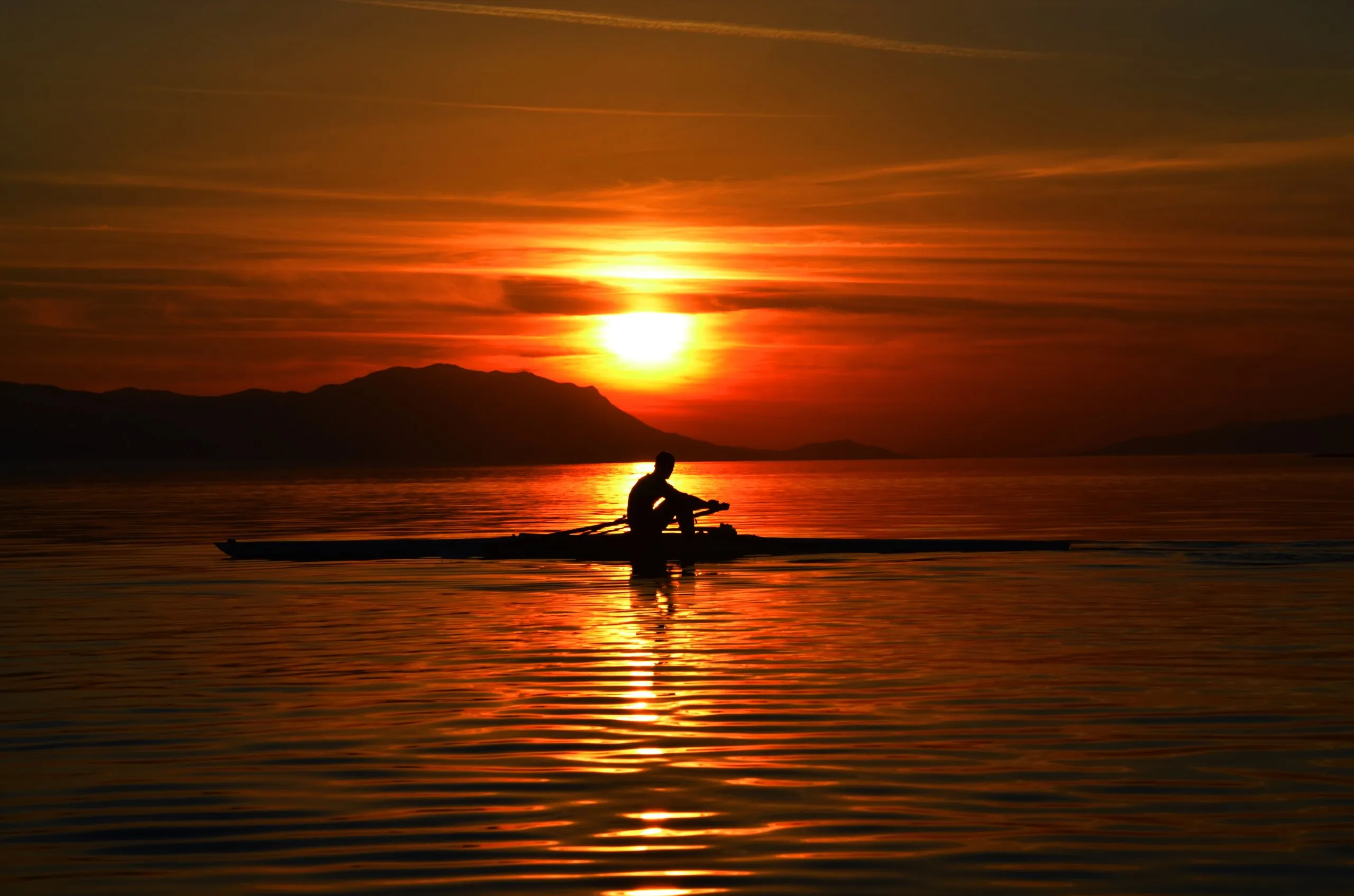
İznik is the former Byzantine city of Nicaea, where a council of great importance to the entire Christian world was held. It also served as the capital of the Byzantine Empire during the Crusader capture of Constantinople. Of its former grandeur, the Hagia Sophia church — converted into a mosque — and the city walls, which remain in excellent condition, have survived. An hour is enough to take it all in. The city sits on the shore of the lake of the same name, above which some of the finest sunsets in Turkey unfold. In the 4th–5th centuries, an earthquake caused the lake to swallow part of ancient Nicaea, so the remains of a church and a necropolis now lie on the lake bed.

During the Ottoman Empire, İznik supplied ceramic tiles for decorating mosques and palaces, as well as tableware that is now kept in museums around the world. Today the city, beyond its former glory and the foundations of an old factory, is home to a small market where craftswomen — between cups of tea and cigarettes — paint earrings, small plates, and other trinkets. You can stock up on pendants and earrings for all your friends and family — such souvenirs are inexpensive and take up little space in your luggage. All this handmade charm does not rule out an abundance of cheap mass-produced bowls that will fall apart after three uses.
For dinner, you can try catfish caught from the lake at a waterfront café and wait for that sunset. Olive groves surround the town on all sides — they are a local specialty. The main streets are lined with shops selling olives, olive oil, and other derived products, from soap to chocolate sweets with candied olives.
Where to stay. We have selected hotels located on the shore of the picturesque lake. Lake Life — 75 euros (84.2 USD) per night, Iznik — 50 euros (56.1 USD), Eleia — 70 euros (78.6 USD).
Adapazarı
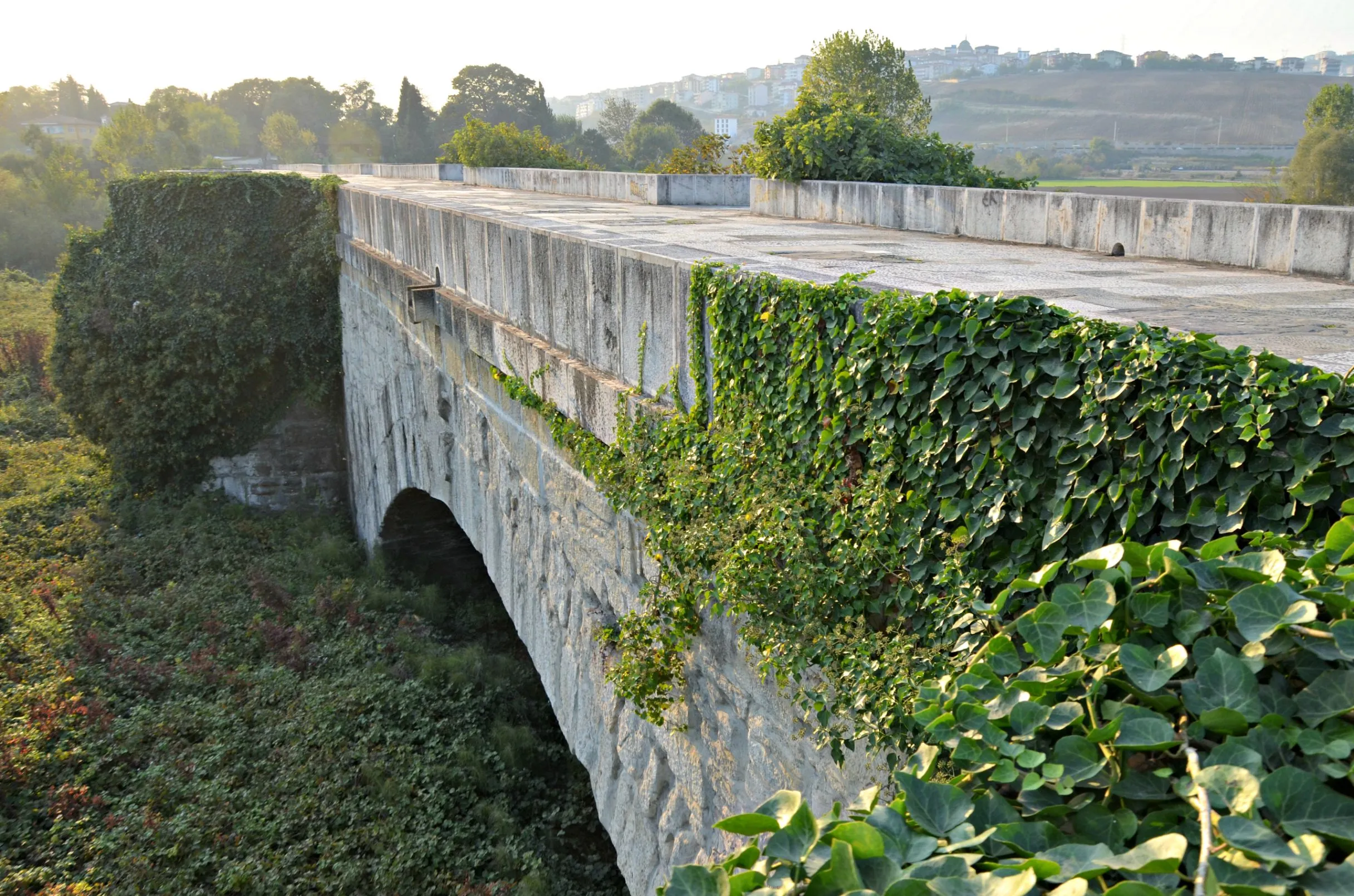
The main attraction of the city is the Justinian Bridge from the 6th century, 430 meters long. You can literally drive through the outskirts, take a look at the bridge, and continue on your way. If you need to head into the center, the city park preserves a wooden mill and a reconstructed historic waterwheel dating from 1724.
Şile
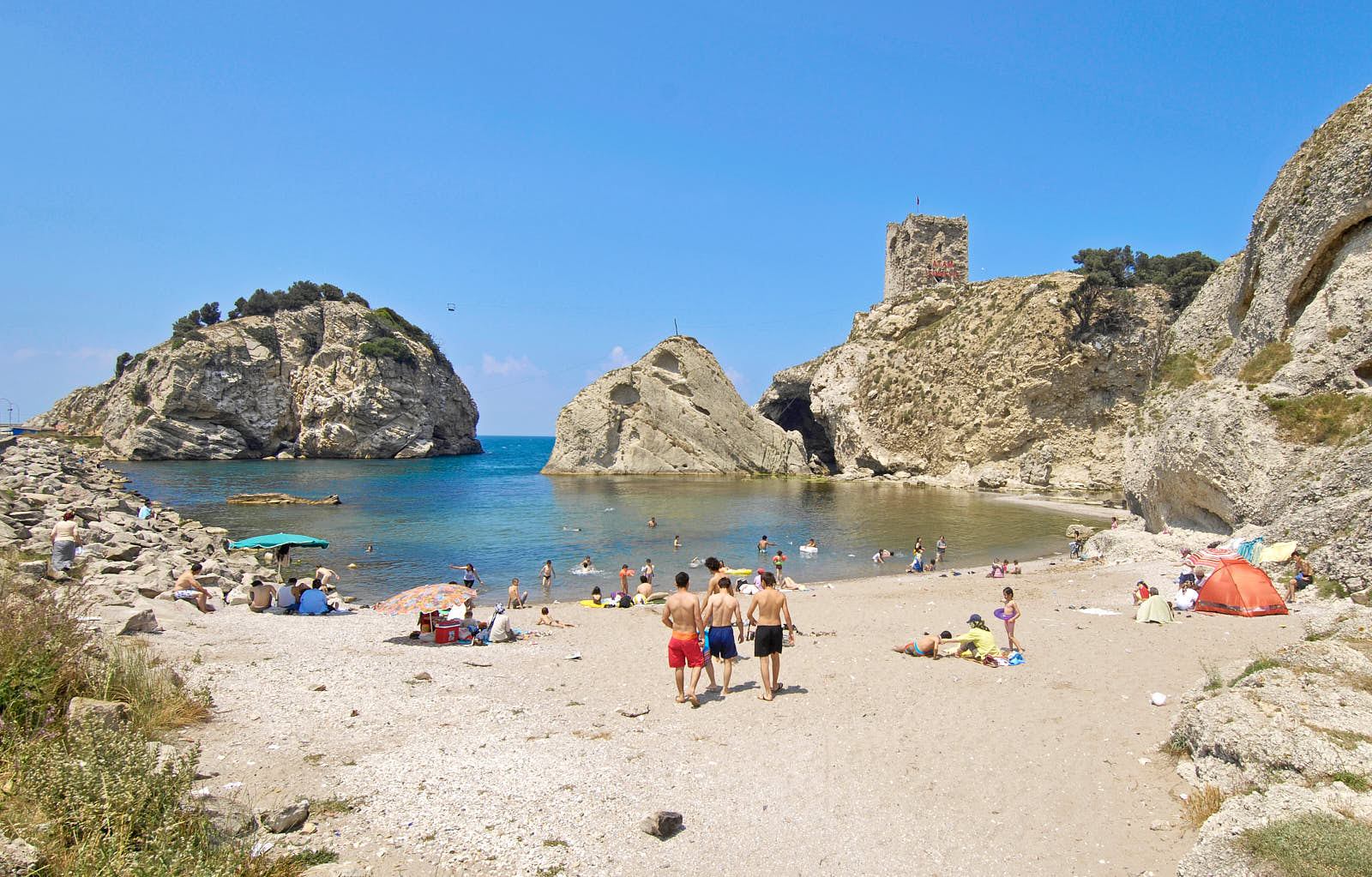
Şile is a suburb of Istanbul located on the Black Sea, known for its picturesque beaches. It is one of the best options for a beach holiday near Istanbul. There is a rather unsightly restored Genoese fortress and an old lighthouse.
Where to stay. Because Şile is close to Istanbul and caters primarily to city residents, the general standard of hotels here is very high. We have selected hotels within walking distance of the sea. Byon — not right in the center, but close by and with views of a large park and the sea — 50 euros (56.1 USD) per night. Phellos Suites — 110 euros (123.5 USD), La Miel Suites — 80 euros (89.8 USD), Villa Qua — 85 euros (95.4 USD).
Rumelifeneri and Garipçe
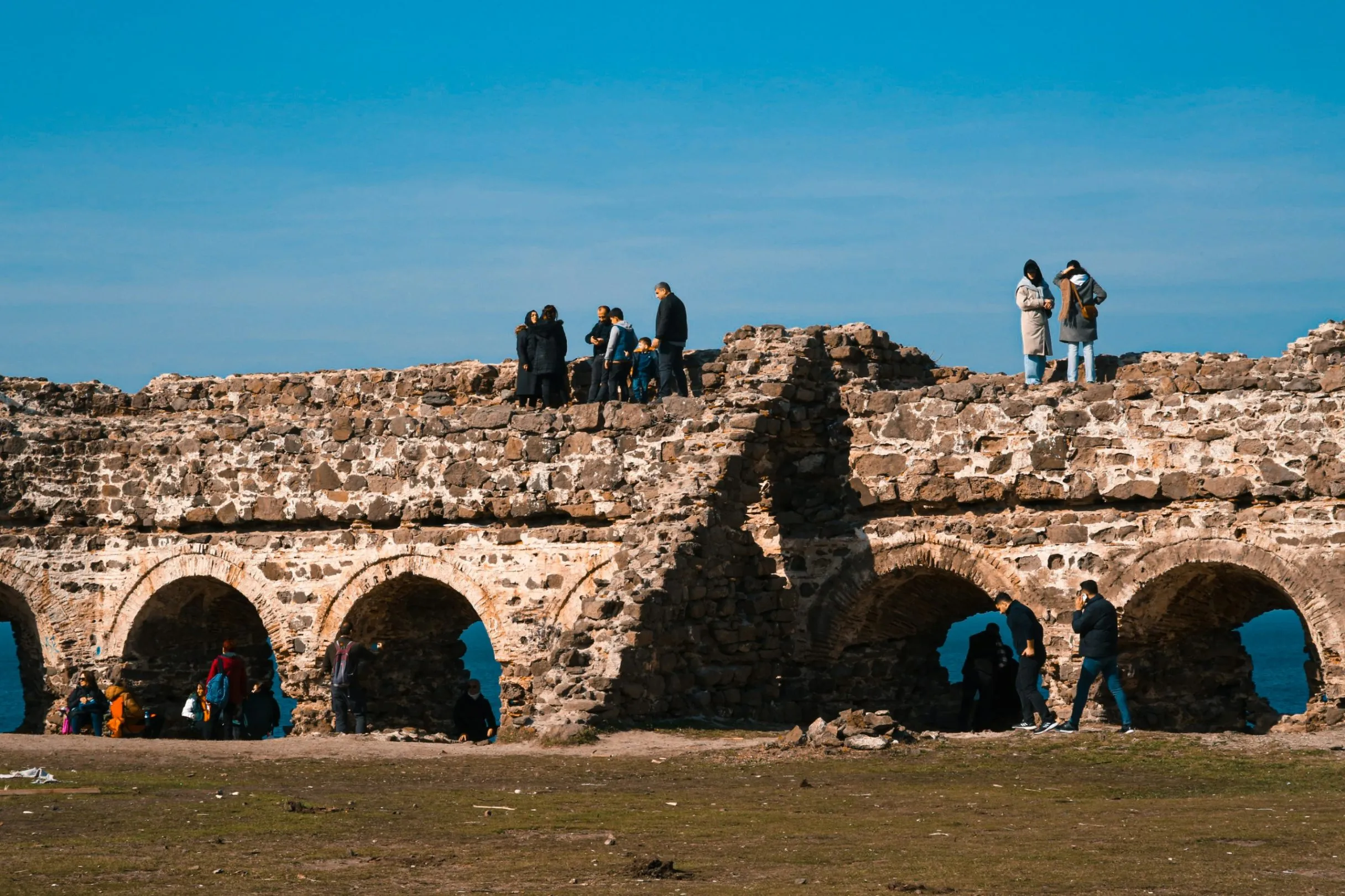
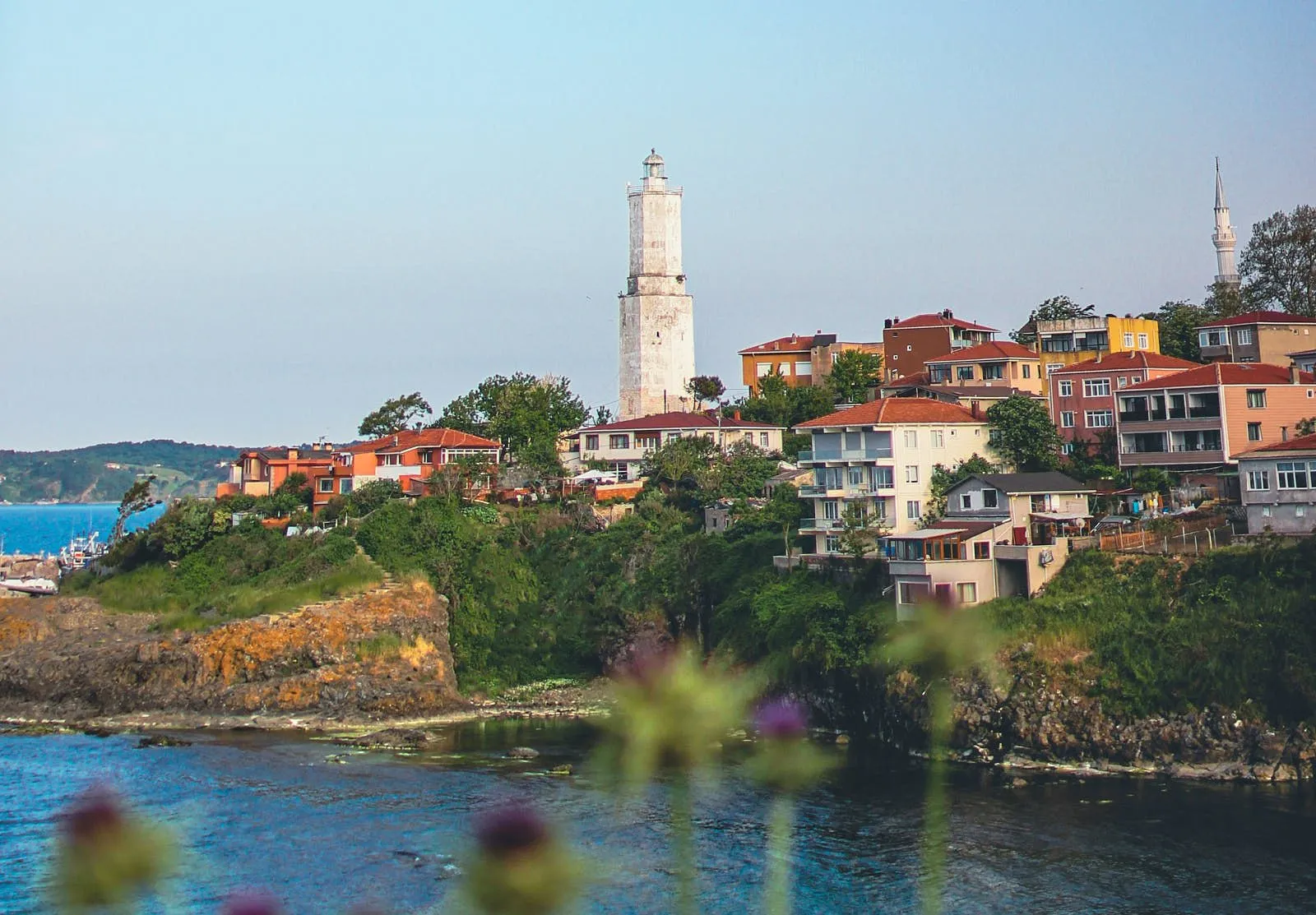
Both villages have abandoned Genoese fortresses. According to ancient mythology, the Argonauts stopped here on their way to find the Golden Fleece. Since both are fishing villages, people come to sit and eat at small fish restaurants. Rumelifeneri also has a lighthouse built by the French during the Crimean War, and beneath it lies the tomb of the Muslim saint Sarı Saltuk. Garipçe is a couple of kilometers from Rumelifeneri — you can walk there. From Garipçe there are views of the third Bosphorus bridge and the Bosphorus itself.
When to go
We highly recommend starting the Istanbul route at the end of June, because every year at that time Edirne hosts a tournament of the wrestling style known as Kırkpınar, where two sweaty, oil-slathered athletes in leather trousers try to overpower each other.
Wine Routes of Turkey
Turkish winemaking began to develop rapidly in the late 1990s with the emergence of boutique producers, and over the past decade has been experiencing a true renaissance. Wine tourism is not the easiest fit with a road trip — it's best to stay sober behind the wheel, after all — but if your car is full of wine enthusiasts and the driver is willing to sit out the tastings in exchange for a relaxed glass at the hotel in the evening, then Türkiye's wine routes are absolutely worth exploring.
Thrace Route from Istanbul
The Thrace Wine Route (Trakya Bağ Rotası) is the first official wine route in Türkiye. It covers wineries from Edirne to the Gallipoli Peninsula. Despite their geographic proximity, wine regions such as Edirne, Kırklareli, Tekirdağ, Şarköy, and Gelibolu each have distinct climatic conditions that influence wine production.
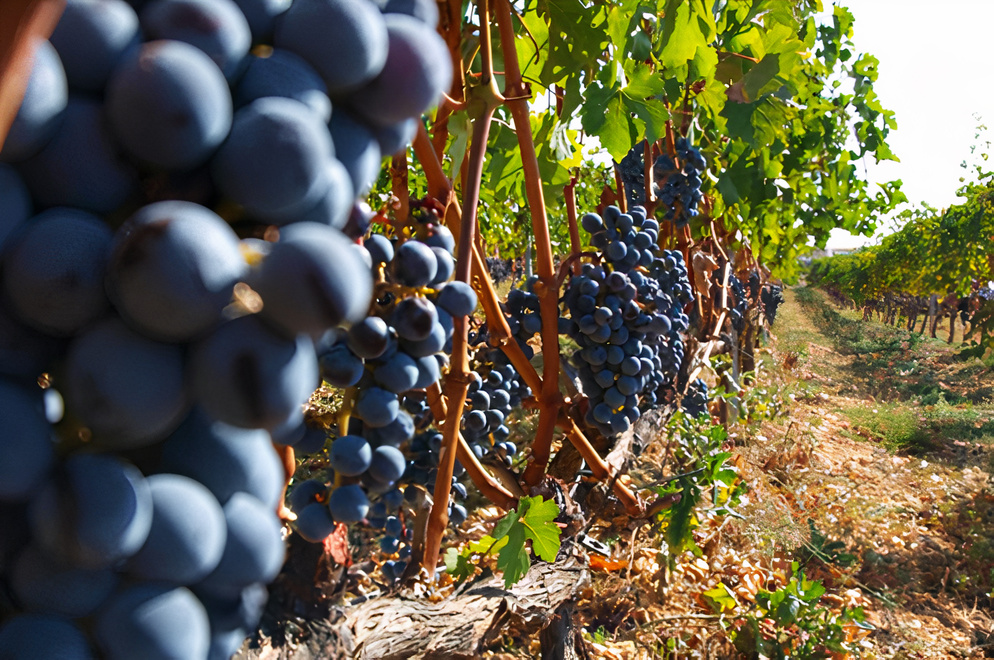
In Edirne, it is worth visiting the family wineries Arda and Edrinet. In Kırklareli there is the experimental winery Chamlija and Arcadia, which has an excellent hotel, Bakucha. Consider making this your first stop on the route.
A convenient second stop is the hotel Caeli. Along the way you can visit the wineries Chateau Nuzun and Barbare in Tekirdağ, Melen and Chateau Kalpak in Şarköy, Gali and Suvla near Gelibolu.
Route from Izmir
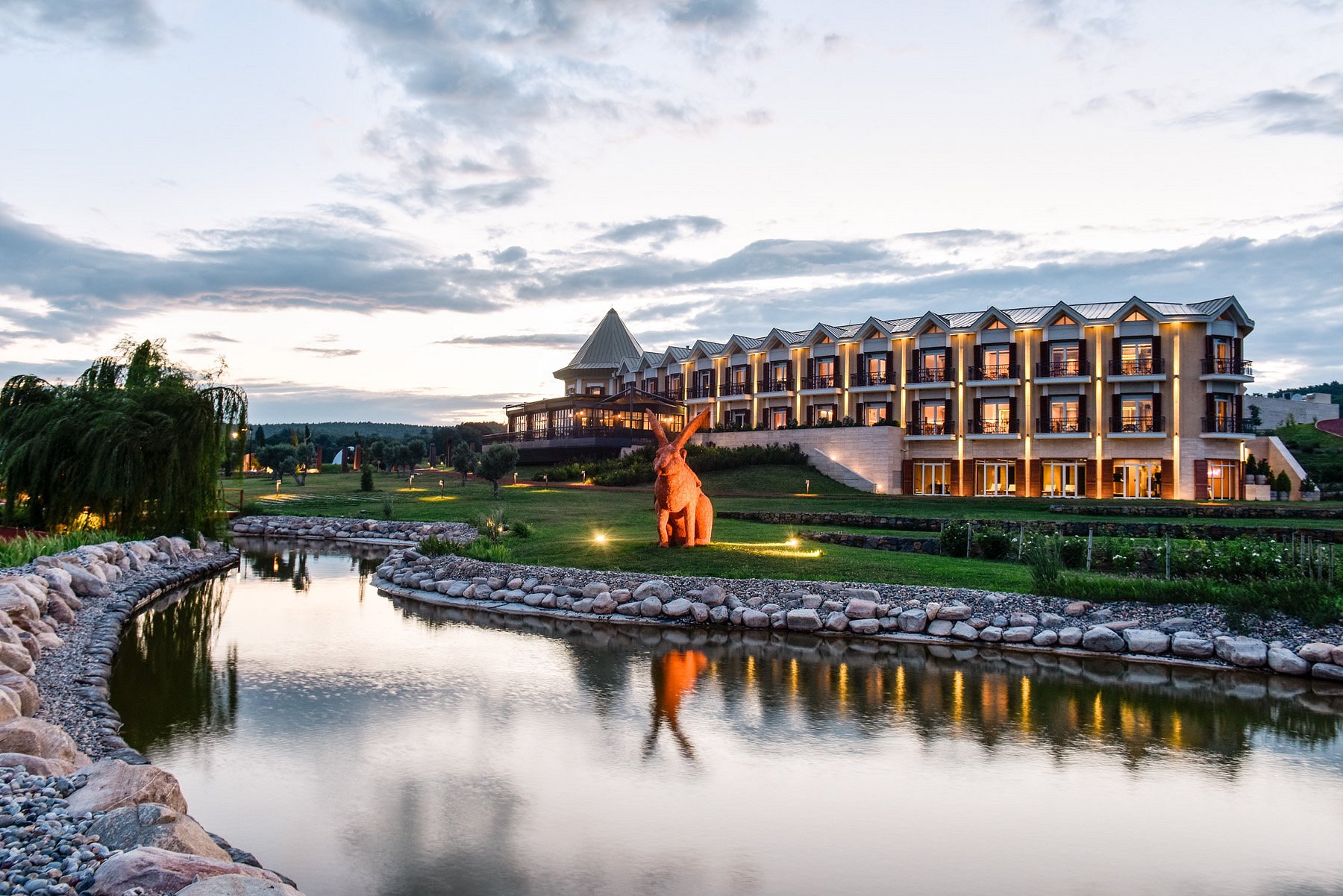
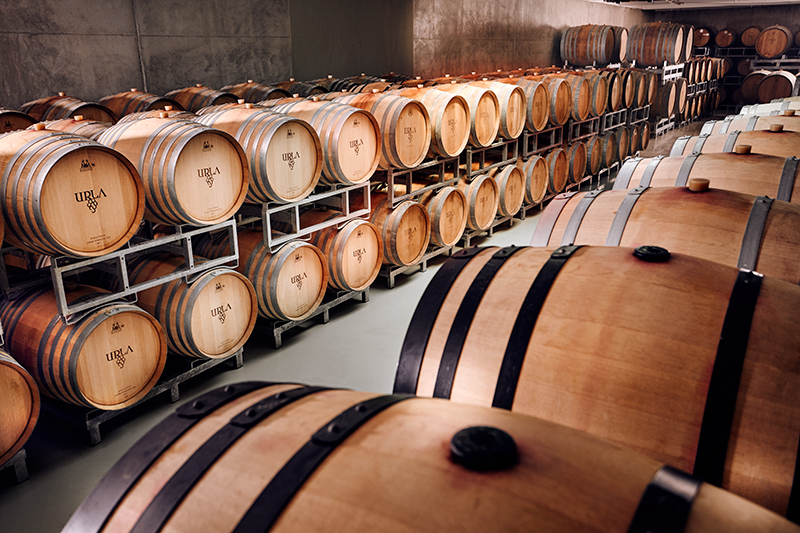
The official wine route near Izmir is called the "Urla Wine Route" (Urla Bağ Yolu), as all the vineyards are located within a 15-minute drive from the town of Urla, which lies between Izmir and Çeşme. Urla is a very charming and pleasant town that is worth not only a visit but also an overnight stay. Narrow cobbled streets in the center, low-rise buildings with Greek influences — it has everything we love about coastal Turkish towns. Here are the wineries you can visit:
Urlice Vineyards — a small boutique winery three kilometers from the center of Urla. The restaurant at the winery serves decent pizza — from 800 lira (16.2 USD), and a bottle of wine starts from 1,700 (34.4 USD). Within walking distance you can rent cottages for an overnight stay, for example at Bir Dem Urla and Gadura Kir Evleri.
Urla Şarapçılık is located right in the heart of the route, ten kilometers from Urla. The winery features not only a modern tasting room but also a wonderful hotel with a self-explanatory name — Two Rooms. The hotel truly has just two rooms, so it is advisable to book well in advance. Prices start from 240 euros (269.4 USD) per night.
MMG Şarapçılık — a winery situated on a hillside above the Urla coastline, with beautiful views.
In addition to these three, the route also includes the wineries USCA Şarapçılık and Mozaik Şarapçılık. Before visiting, it is best to contact the winery in advance, for example via WhatsApp. Phone numbers are almost always available on their websites or in their listings on Google Maps.
The Black Sea and the North of the Country
Day 1. Istanbul → Safranbolu.
Day 2. Safranbolu.
Day 3. Safranbolu → Amasra → Sinop.
Day 4. Sinop.
Day 5. Sinop → Samsun.
Day 6. Samsun → Trabzon.
Day 7. Trabzon.
Day 8. Trabzon → Rize.
Foreign visitors rarely holiday on Turkey's Black Sea coast — these resorts are geared more toward domestic tourists. The weather here is less reliable than on the Mediterranean, with fewer warm and sunny days, but in return there are no crowds of tourists, no enormous cruise ships in the ports, and prices are many times lower. People come here to see ancient Ottoman towns, medieval fortresses and castles, Byzantine churches converted into mosques, Greek monasteries built right into the cliffs, and mountain villages that seem to float above the clouds.
Safranbolu
Thousands of Ottoman houses dating from the 18th and 19th centuries are scattered across the hills. And this is no museum installation — it is a real, living city where people still live in those historic buildings today. Nowadays it is a quiet provincial town of 50,000 residents. Several centuries ago, beginning in the 13th century, Safranbolu was an important stop on the Great Silk Road. The town lost its commercial significance with the arrival of railways in the 20th century. In 1994, the historic part of Safranbolu was recognized as a UNESCO World Heritage Site.
The town has preserved around two thousand traditional Ottoman mansions, 800 of which hold special protected status. Strolling through narrow cobblestone streets lined with historic houses is the main pastime in Safranbolu. You don't even need specific landmarks here. Just step out of your hotel and walk in any direction — it will be beautiful everywhere.
Where to stay. Güneş Konak offers a picturesque view of the entire city. A night in a standard double room will cost around 50 euros (56.1 USD). At the guesthouse Sari Konak there is a cozy green courtyard where it is pleasant to sit with a book or a laptop. The rooms are quite small, but this is due to the layout of the building, in which the largest spaces on each floor are the common areas.

Amasra
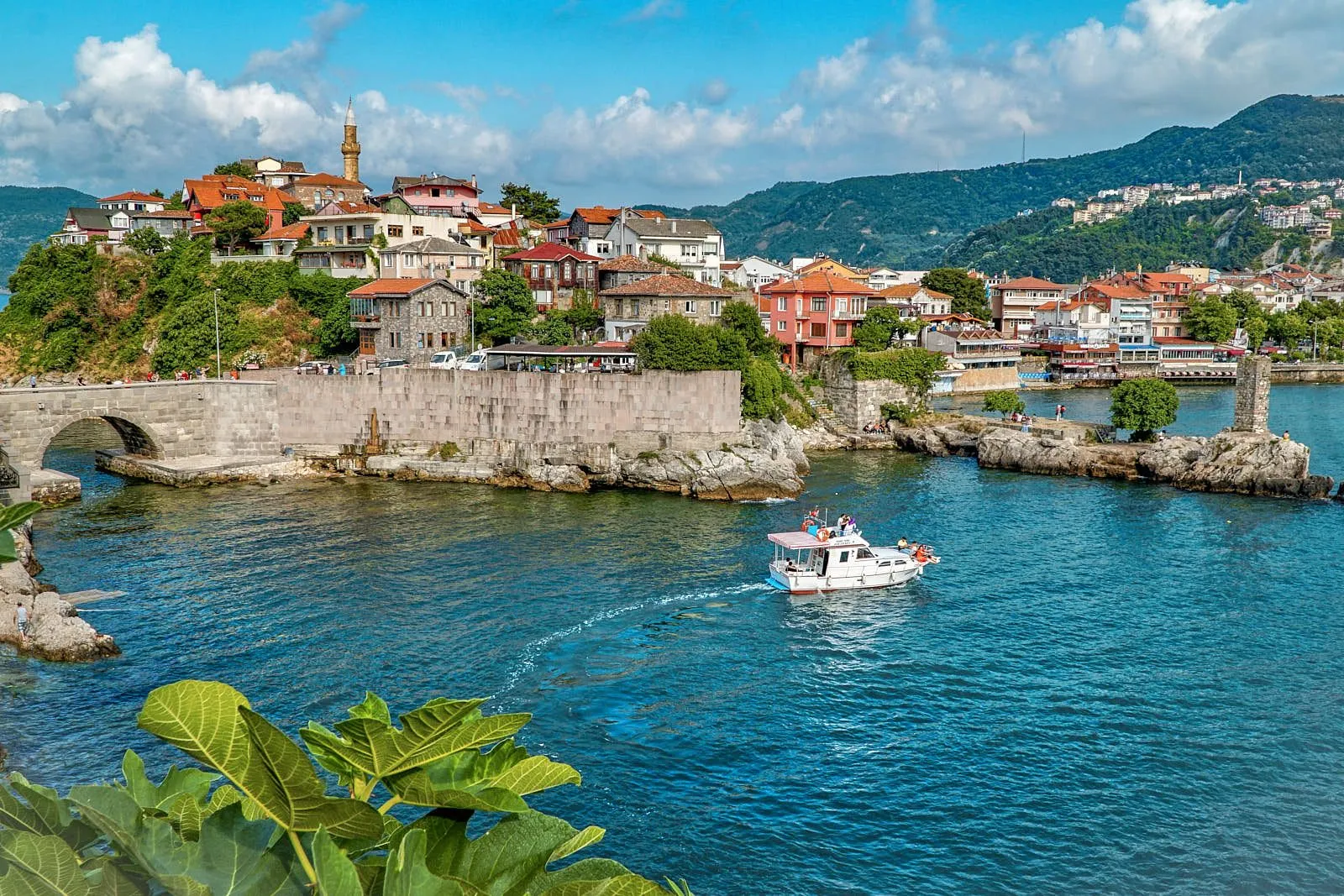
Amasra is a popular Black Sea resort. The beaches here are pebbly and narrow, and the water is not particularly clear. But none of that really matters, because you don't come to Amasra for the beaches. The real secret to falling in love with the town is to avoid visiting during the warm months — that way you won't run into crowds of holidaymakers and can soak up the wonderful atmosphere at your own pace. Simply wander the winding streets and the waterfront, admire the stonework of the old fortress walls, and enjoy a quietness rarely found in Turkish towns. The town is very small, with a population of just 15,000.
The town itself consists of two islands — Amasra proper and the small island of Boztepe. It is Boztepe that retains the old architecture and makes for the most interesting walks. The two parts of town are connected by the arched Kemere Bridge, built during the Byzantine period in the 8th–9th centuries.
Sinop
Sinop is the northernmost city on the Black Sea coast and in all of Turkey. Thanks to its two harbors and convenient location, there has always been a port here and trade has flourished, regardless of who was in power.
On the old waterfront, fishermen untangle their nets and lay out the morning catch just as they have for hundreds of years. Turks sip tea and play backgammon by the walls of the medieval fortress. You can spend hours wandering the rather utilitarian streets, taking in the surviving fragments of antiquity, and enjoying a leisurely pace.

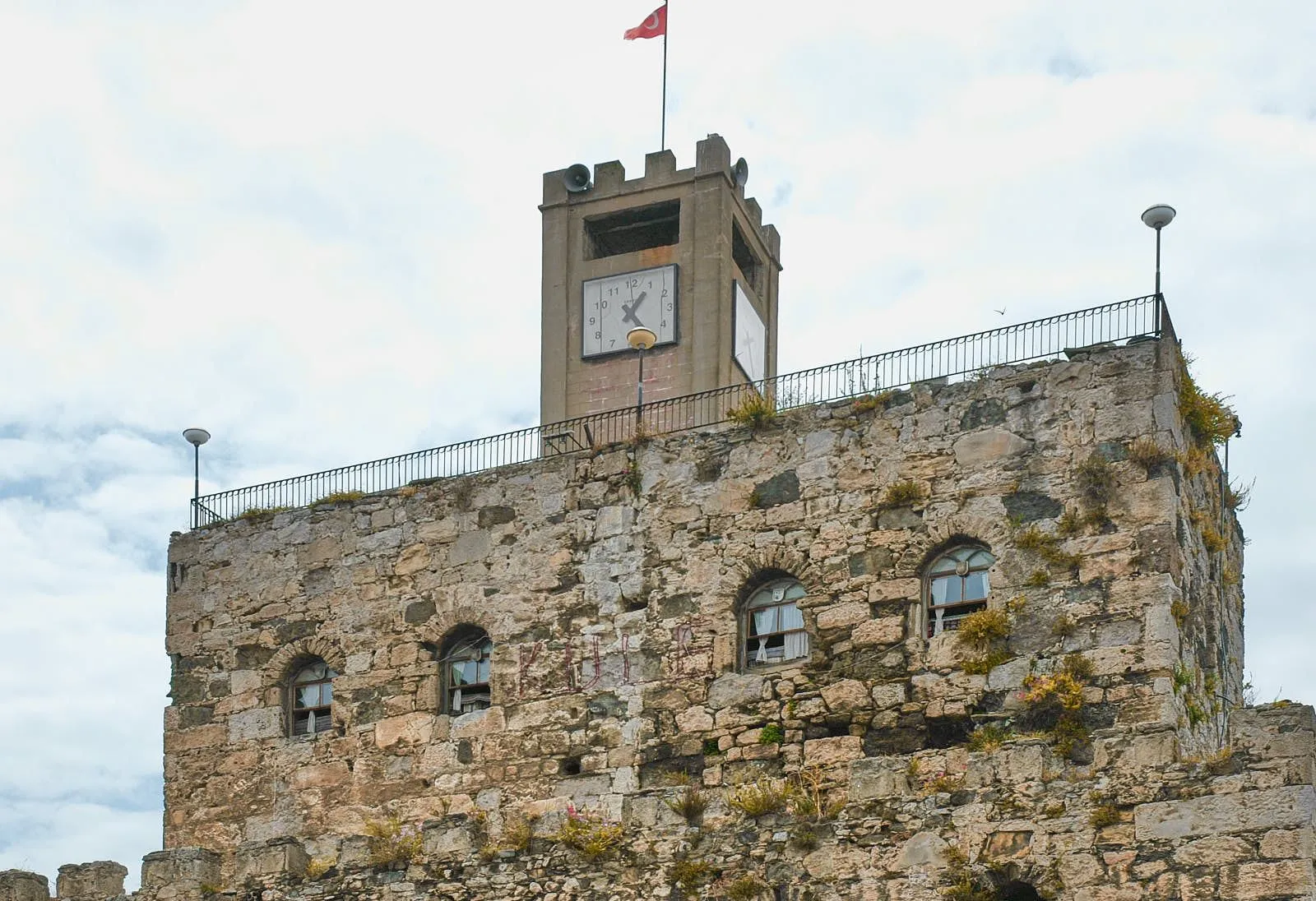
Most of the city's historical attractions are in one way or another connected to Sinop Fortress. It was built in the 7th century BC, when the city was a colony of Miletus. Today only small fragments remain of its former grandeur, with remnants of the fortress walls scattered throughout the city. The western wall and the Kumkapı gate are the best preserved. Inside the fortress stands one of the oldest prisons in the entire country, founded in 1887.
The Clock Tower is another fairly ancient landmark. The tower itself was built back in the Middle Ages and for a long time was simply one of the fortress towers. It acquired its clock during the Ottoman era, when chimes were installed during a restoration project in the 19th century.
Where to stay. Two good hotels in the center: Sinopark — 105 euros (117.9 USD) per night, The Port Rooms — 60 euros (67.4 USD) per night. And two good hotels a little further from the center, but also on the waterfront: Beyaz Ev — 115 euros (129.1 USD) per night, Sinop Antik — 160 euros (179.6 USD) per night.
Samsun
A port city with thousands of students from all over the country, yet almost entirely off the tourist radar. Most Turks, from Istanbul to Gaziantep, will likely try to talk you out of visiting Samsun. And they may partly have a point. There are no ancient mosques, medieval fortresses, or classical ruins here. So why come to Samsun? To experience life in a large Turkish city — with its early Friday markets, a lively waterfront, and modern trams running along the sea.
Bandırma Museum Ship. Samsun is best known as the birthplace of the Turkish independence movement and the secular state. In 1919, Mustafa Kemal Atatürk sailed into Samsun aboard the ship Bandırma and rallied a gathering of students — an event that sparked the Turkish Revolution. Today the ship houses a museum.
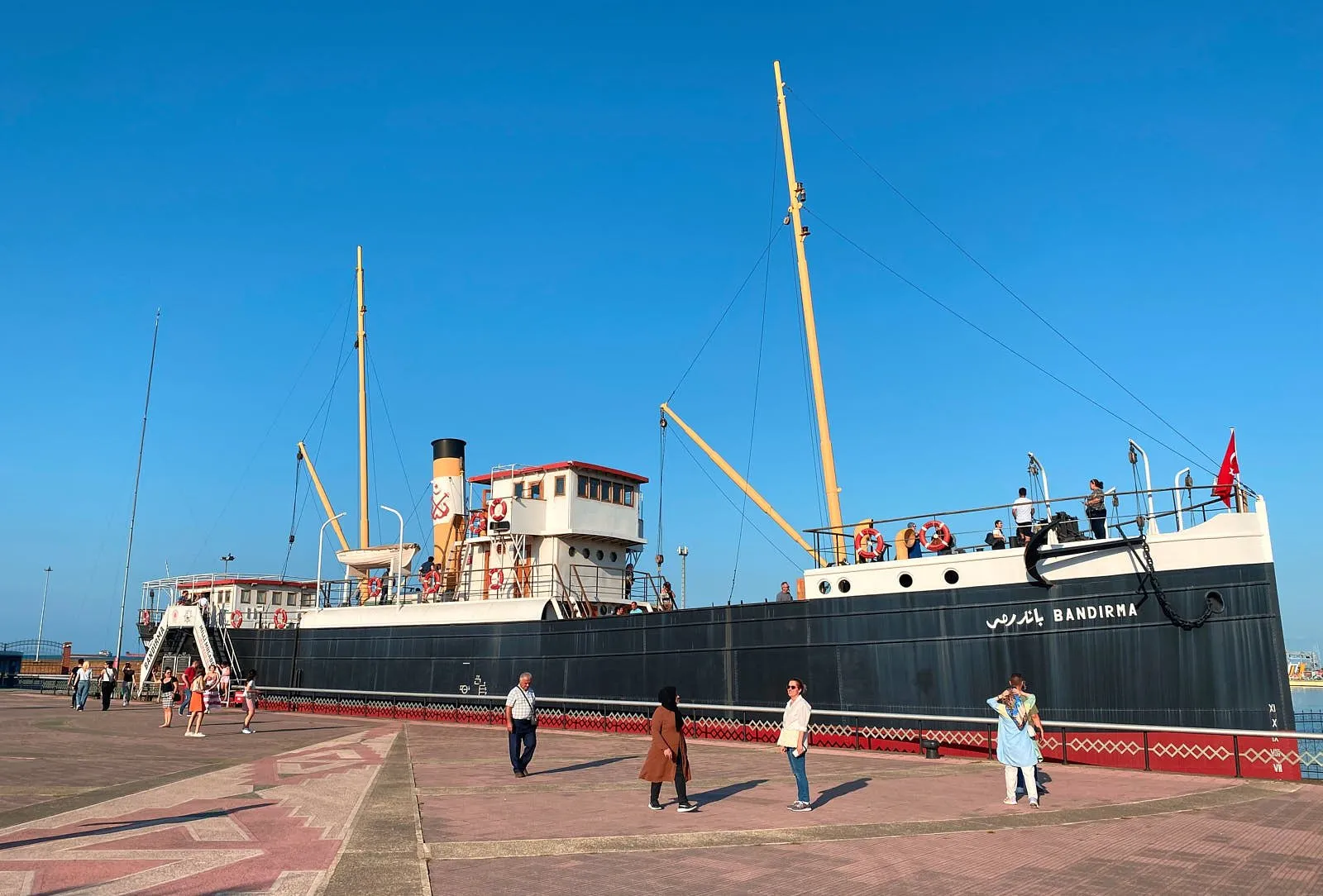
The main attraction in Samsun is its vast waterfront promenade, stretching 12 kilometres along the shore. The embankment is not just a place for a stroll — it genuinely buzzes with life around the clock. Early in the morning joggers, athletes, and cyclists appear; after breakfast, mothers with children come out for a walk; by midday, schoolchildren from nearby schools pour in. But the most interesting time is the evening, especially on weekends. Dozens of locals bring out folding chairs and tables, thermoses, and inevitably enormous bags of sunflower seeds, settling in for hours. They watch the sunset, chat, laugh, and argue about politics.
All along the promenade you'll find a wide variety of establishments, from simple Turkish tea houses and çorbacıs (places specialising in soups) to excellent restaurants.
Where to stay. Another city where hotels can be tricky to find, but the chain hotel Ramada Plaza by Wyndham comes to the rescue — just 60 euros (67.4 USD) per night for a spacious room. Samsun Charme — central location, breakfast included, and a low price, though reviews are not the best — 30 euros (33.7 USD) per night.
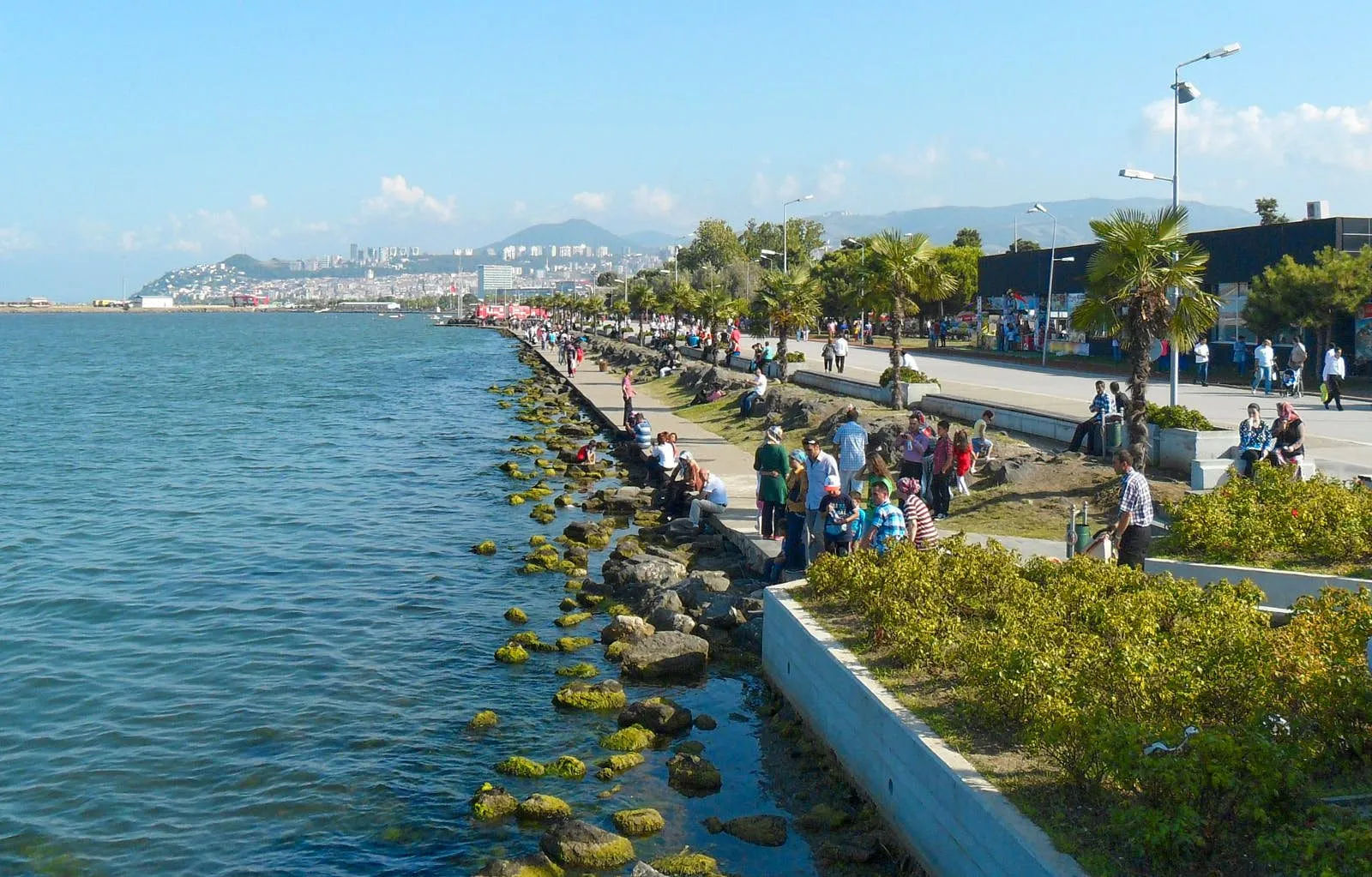
Trabzon
Trabzon is a large port city of 830,000 people, with bustling markets and a wealth of historical attractions. It can't really be called beautiful — on the contrary, parts of it are downright awkward and illogical. But the city has its own spirit and atmosphere that you need to seek out and feel for yourself; just don't expect a wow factor.
One of the most interesting attractions in the city is the Hagia Sophia, built between 1238 and 1263 during the rule of the Empire of Trebizond in the region. The cathedral remained a mosque for nearly 500 years. During the First World War the city was occupied by Russian forces, and the cathedral served as a military hospital and warehouse. It was only in 1964 that it was given the status of a museum.
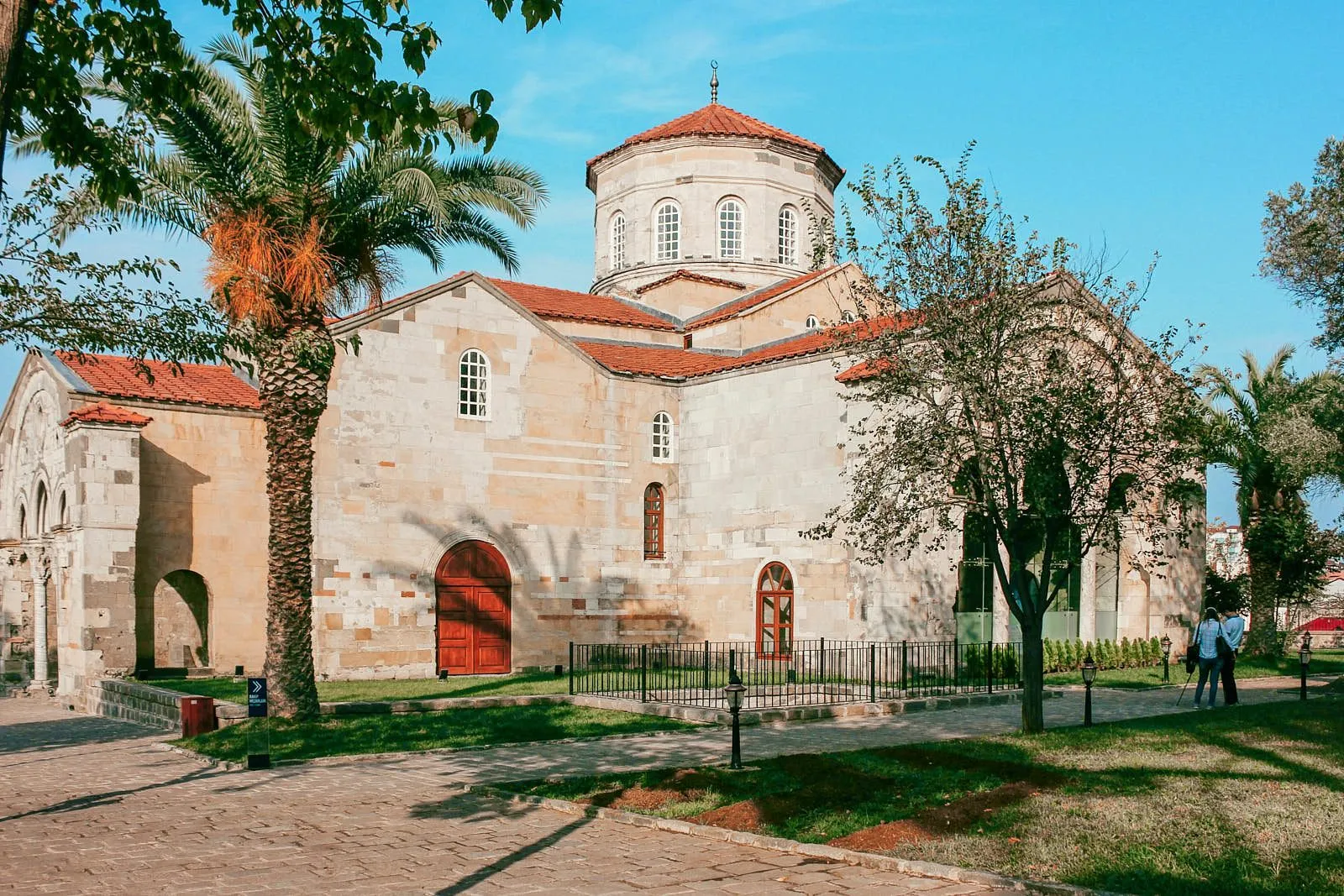
The Church of St. Anne is the oldest church in the city. It was built in the 6th–7th centuries in the Byzantine style. The church has been quite thoroughly restored several times, so it is worth wandering around it and examining the details from different eras.
Zagnos Valley Park and Trabzon Castle. The fortress was originally built during the Byzantine period and has been rebuilt and destroyed dozens of times.
Where to stay. Three hotels right in the city centre: Uzer — 40 euros (44.9 USD) per night, Life Point — 65 euros (73 USD), Zorlu Grand Hotel — 80 euros (89.8 USD). Cephanelik occupies a historic tower, and that alone might be reason enough to spend the night here. A night costs 95 euros (106.6 USD). For those who prefer reliability, there is the huge Radisson Blu on the hill — from 100 euros (112.3 USD).
Panagia Sumela
Located 50 kilometers from Trabzon, the Panagia Sumela Monastery is the main reason most visitors make the trip to Trabzon. In 2021, the monastery reopened after a lengthy restoration. The first Orthodox church on this site was built as far back as the 5th century. However, the distinctive façade clinging to the cliff face appeared during the era of the Trebizond Empire, around the 13th–14th centuries. Strangely enough, the monastery's true golden age came under the Ottomans in the 18th–19th centuries. Although they were Muslim, Panagia Sumela continued to function as an Orthodox monastery. The Ottomans even carried out a series of restorations, and it is largely thanks to these efforts that the monastery has been so well preserved to this day.

Rize
The variety of Turkish black tea is called rize, as the majority of all tea is grown in the surroundings of this city. There is even a dedicated Tea Research Institute here, opened back in 1958. In 2022, Rize-Artvin Airport opened, featuring an air traffic control tower shaped like a traditional tea glass. The terminal entrance is designed in the shape of a tea leaf. On the airport grounds there is the Çaykur Tea Museum and a mini tea factory in operation.
Tea plantations, mountain scenery, and fresh air — these are the reasons to visit the village of Harempete. You can enjoy a cup of fragrant tea right at a café on a tea plantation, such as Gizli Bahçe Tea Garden. Stroll among the tea bushes and watch local women hand-picking the tea leaves.
Where to stay. Rhisos Gold and Şimal — two good hotels in the city center — 70–80 euros (78.6 USD–89.8 USD) per night. Ramada Plaza by Wyndham is located in a small village, and the rooms offer a great view of the sea — from 100 euros (112.3 USD) per night. Ricosta is an excellent option for relaxing after a long journey. The hotel is situated outside Rize, the rooms are spacious and it has its own grounds. And, of course, the hotel is right on the seafront. A room costs 235 euros (263.8 USD) per night.
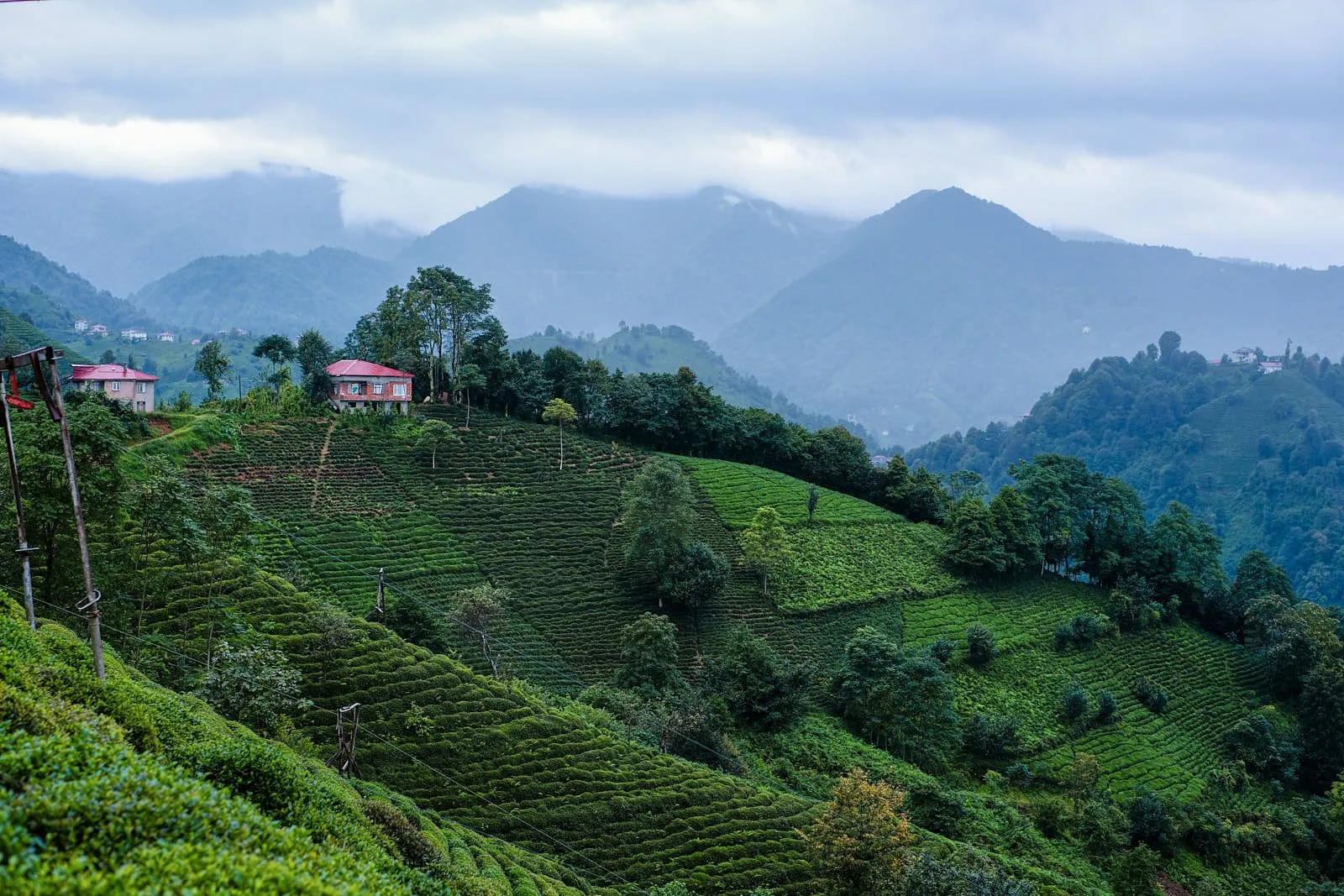
Travel Budget
Türkiye has very high inflation. In May 2026, the official inflation rate stood at 32% per year. Prices in lira are rising very quickly, while in US dollars or euros prices are rising more slowly.
Kilometers and days. The long route from Antalya to the southeast described above stretches all the way to 3,300 kilometers. Starting from Diyarbakır and skipping Konya brings it down to 1,900, and if you also remove Antakya and Van from the itinerary, it comes to no more than 900. The same applies to all route variations — things can be added or removed, adjusting the number of days accordingly. 10–15 days covering 1,000–1,500 kilometers with five to seven overnight stops is a perfectly comfortable formula, based on our editorial team's experience road-tripping through Türkiye.
Car rental and fuel. 20 euros (22.5 USD) per day is what renting a Renault Clio (automatic) would cost in June 2026. Adding full insurance brings the total to roughly 350 euros (392.9 USD) for two weeks. Budget around 3,000 lira (60.7 USD) per thousand kilometers for fuel. In June 2026, petrol costs around 62 lira (1.25 USD) per liter.
SIM card. An eSIM from Trip.com offering 30 GB for 30 days costs 10 USD. A physical SIM card from a Turkish carrier starts at around 1,900 lira (38.4 USD) for 20 GB.
Accommodation. 35–50 euros (39.3 USD–56.1 USD) is the average nightly cost of a hotel room or apartment rental in low season.
Booking operates in a peculiar way in Türkiye: you cannot book hotels in Türkiye while physically in Türkiye. So for last-minute bookings you will need to use a VPN, or alternatively book through Agoda, Airbnb, or local Turkish sites such as Etstur, Otelz, Odamax and Tatilbudur. In some hotels in the more religiously conservative cities — Erzurum or Konya, for example — an unmarried mixed-gender couple may be refused a shared room without a marriage certificate.
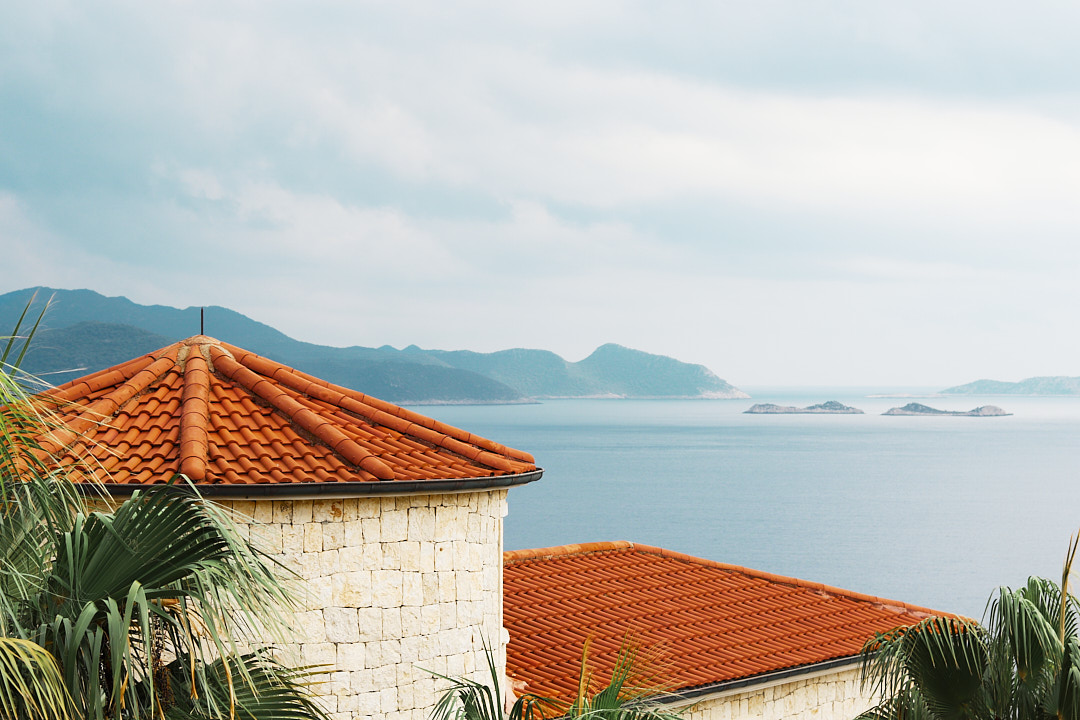
Food, groceries, and incidentals. 40–60 euros (44.9 USD–67.4 USD) per person per day is a sum that allows you to live quite comfortably in low season. Lunch at a roadside café or a modest canteen will cost around 500 lira (10.1 USD) per person. At a restaurant, expect to pay from 1,000 lira (20.2 USD) and up. Grocery prices are roughly on a par with Europe, with vegetables and fruit naturally cheaper.
Total: from 1,500 euros ((1684 USD), including fuel (1,000 kilometers), car rental (14 days), accommodation (14 days), and a SIM card with internet. All of these costs can be divided among the number of people in the car.
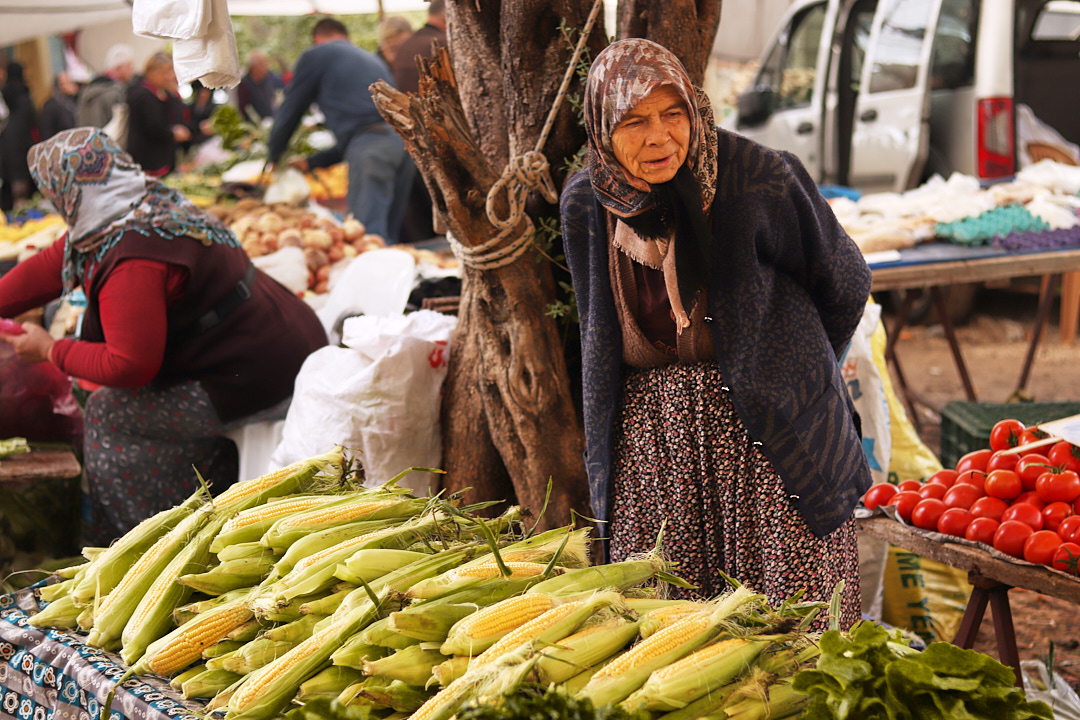
Entry Documents
90-Day Visa Exemption is for citizens of the United States, United Kingdom, Canada, and the European Union. They can travel to Türkiye without a visa for stays up to 90 days. A passport valid for at least six months, hotel booking confirmations, tickets, and travel insurance. Although Turkish border officers rarely check anything beyond passports.

When to Go
December – February. In winter, comfortable road travel in Türkiye is limited to the Aegean and Mediterranean coasts. Istanbul almost always gets snow in winter, and in recent years it has fallen several times per season. The city grinds to a complete halt during a snowstorm. Coastal weather is unpredictable: rain can last for several days in a row, and temperatures can swing between plus five and plus twenty degrees. Most hotels, cafés, and restaurants in resort towns will be closed, but those that stay open offer significant discounts. Crowds at the sights are also much thinner. At some you will have the place entirely to yourself.
March. Already comfortable for travel through Cappadocia and the country's southeast. A few events worth adding to your itinerary:
A major jazz festival in Izmir, which usually runs throughout the entire month of March.
The Mesir Paste Festival in Manisa, held during Nowruz week. This colorful festival was added to the UNESCO heritage list in 2012.
April. Already high season for Istanbul, still transitional for the rest of Türkiye. Ideal weather for visiting most of the country. A few events worth adding to your itinerary:
The Tulip Festival and the International Film Festival in Istanbul — a good reason to start your trip there.
The Herb Festival in Alaçatı. The perfect excuse to stop by this town on the Çeşme Peninsula.
May. Near-perfect weather across virtually all of Türkiye. It may already be hot in Antalya, but in Trabzon, Erzurum, and the Kaçkar Mountains it is ideal spring. The last chance until September to see museums, ruins, and other sights without enormous tourist crowds. A few events worth adding to your itinerary:
A festival in Bursa, lasting more than two weeks.
The Cappadox Festival in Cappadocia.
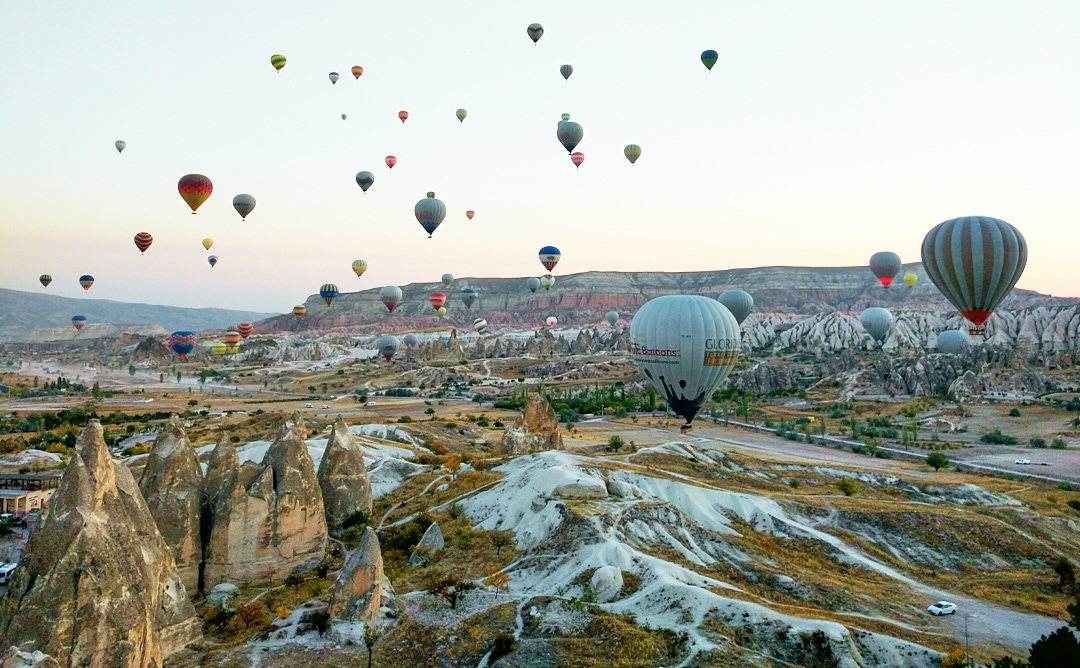
June – August. High season for all of Türkiye except Istanbul, which on some days can feel like a scorching frying pan. Peak prices for hotels and other services along the entire resort coast. The worst time to save money or avoid tourist crowds. If your vacation falls only in July or August and you are not particularly interested in swimming and sunbathing, consider a road trip along the Black Sea coast. There are plenty of beaches there too (here is a list of the best ones), but even more mountains and lakes, canyons and caves, charming towns with Ottoman architecture (Safranbolu), and tea plantations.
A few events worth adding to your itinerary:
The Çamlıhemşin Festival in Ayder, Karadeniz region. A local festival featuring a traditional form of bloodless bullfighting (boğa güreşi) — the bulls simply push against each other until one forces the other back.
The Istanbul Music Festival and music festivals in other cities.
The Kırkpınar Oil Wrestling Festival.
September – November. Another high season begins in Istanbul. Along the Aegean and Mediterranean coasts the weather is still summery (in some places you can swim even in December), but prices are already lower. As November approaches, the weather is "summery" more by Baltic standards, yet it is still an excellent time to visit. September and October are great months for traveling in eastern Türkiye. A few events worth adding to your itinerary:
The Istanbul Biennial usually runs from mid-September to mid-November.
Races. The Istanbul Marathon (early November), the Cappadocia Ultra Trail (mid-October).
The Aspendos Opera and Ballet Festival held annually in a two-thousand-year-old Roman theater near Antalya. The theater is considered one of the best-preserved ancient theaters in the world, with many of the building's original features still intact.
The Watermelon Festival in Diyarbakır. Watermelons at this time are practically free.
The Karagöz Puppet and Shadow Theater Festival in Bursa in November.
Dates for all events are subject to change, and it is best to double-check them before your trip.
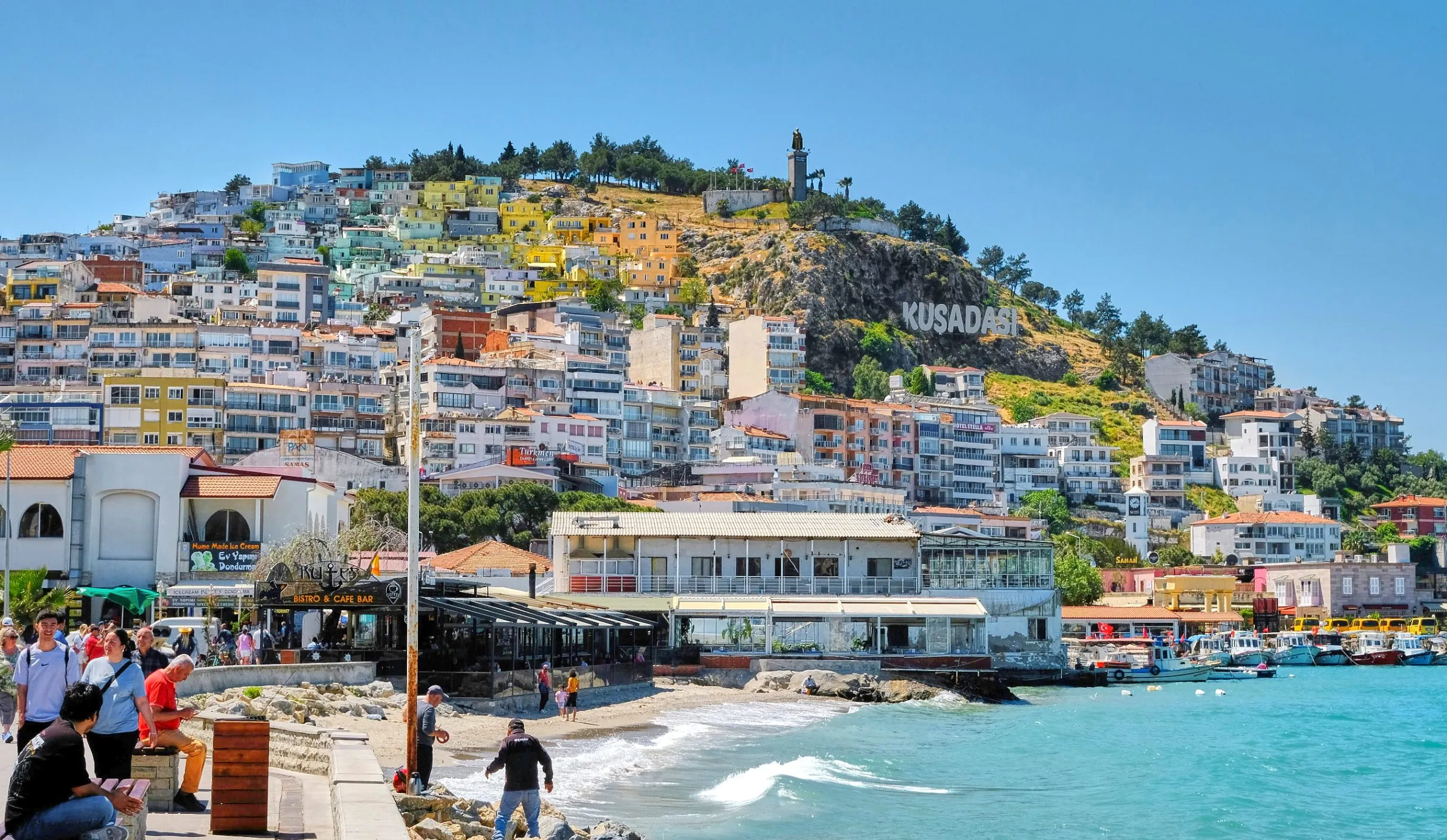
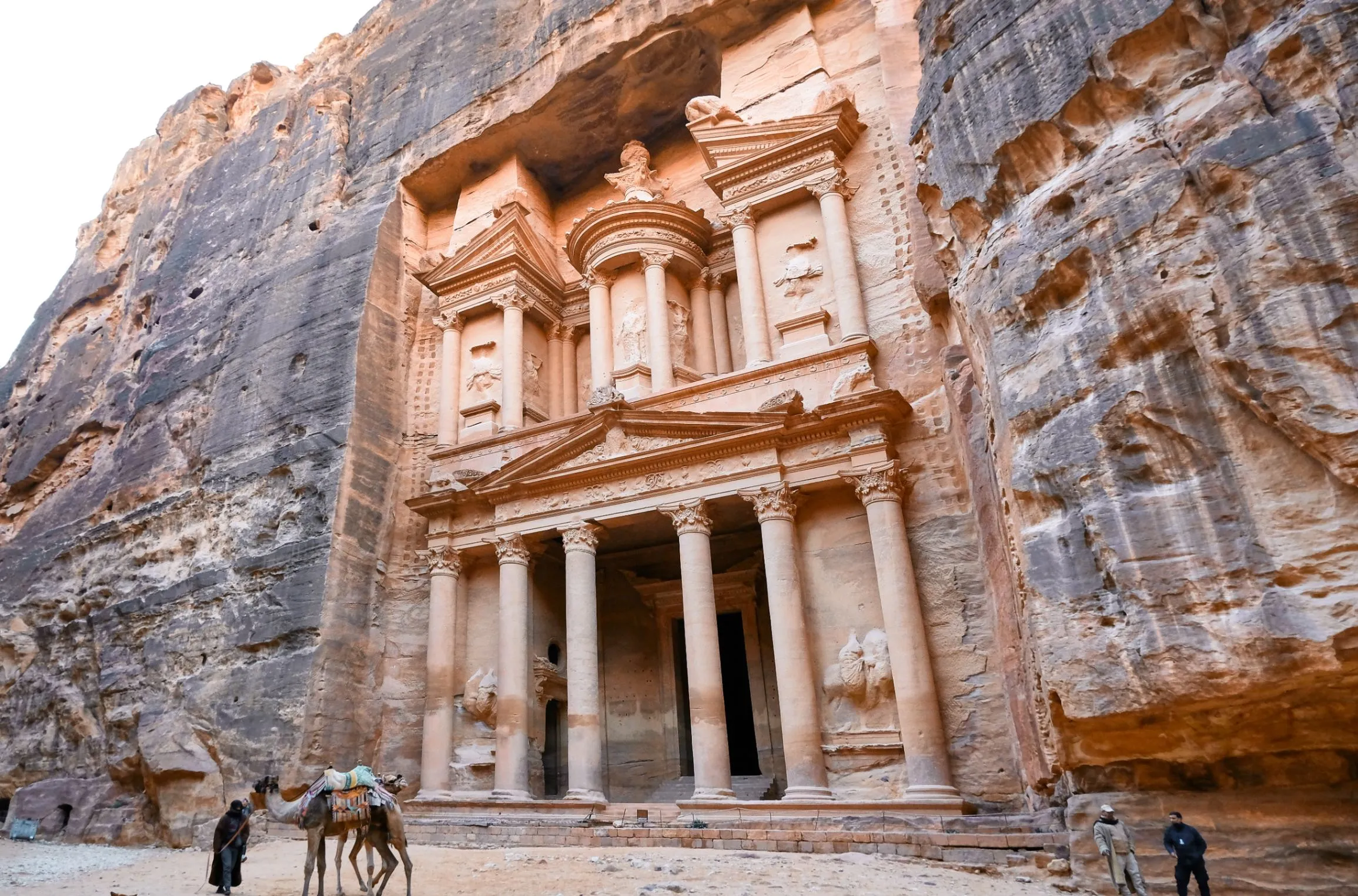


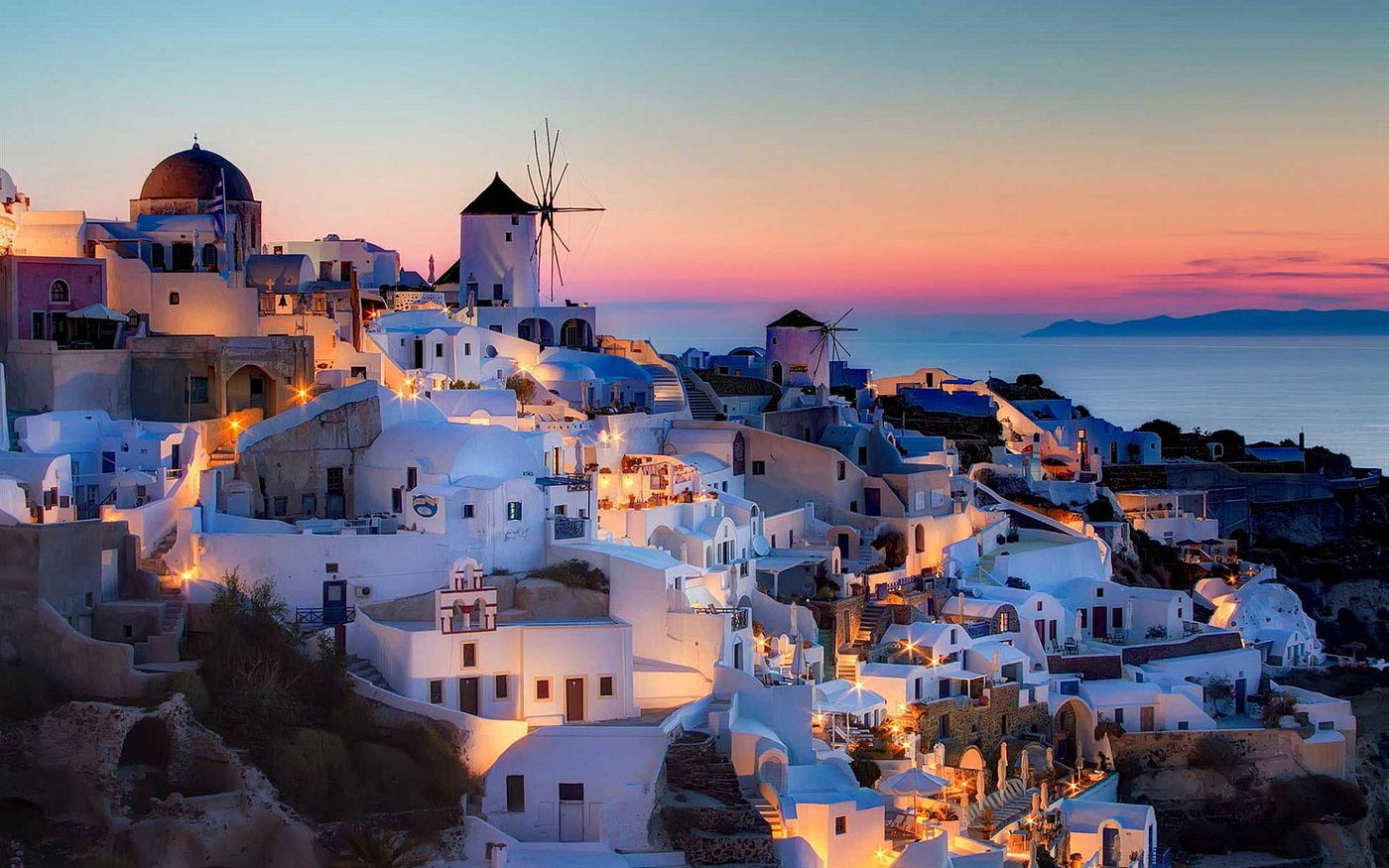


.jpg)

#/media/File:Sinop_eastern_bastion_in_2005_9241.jpg)


