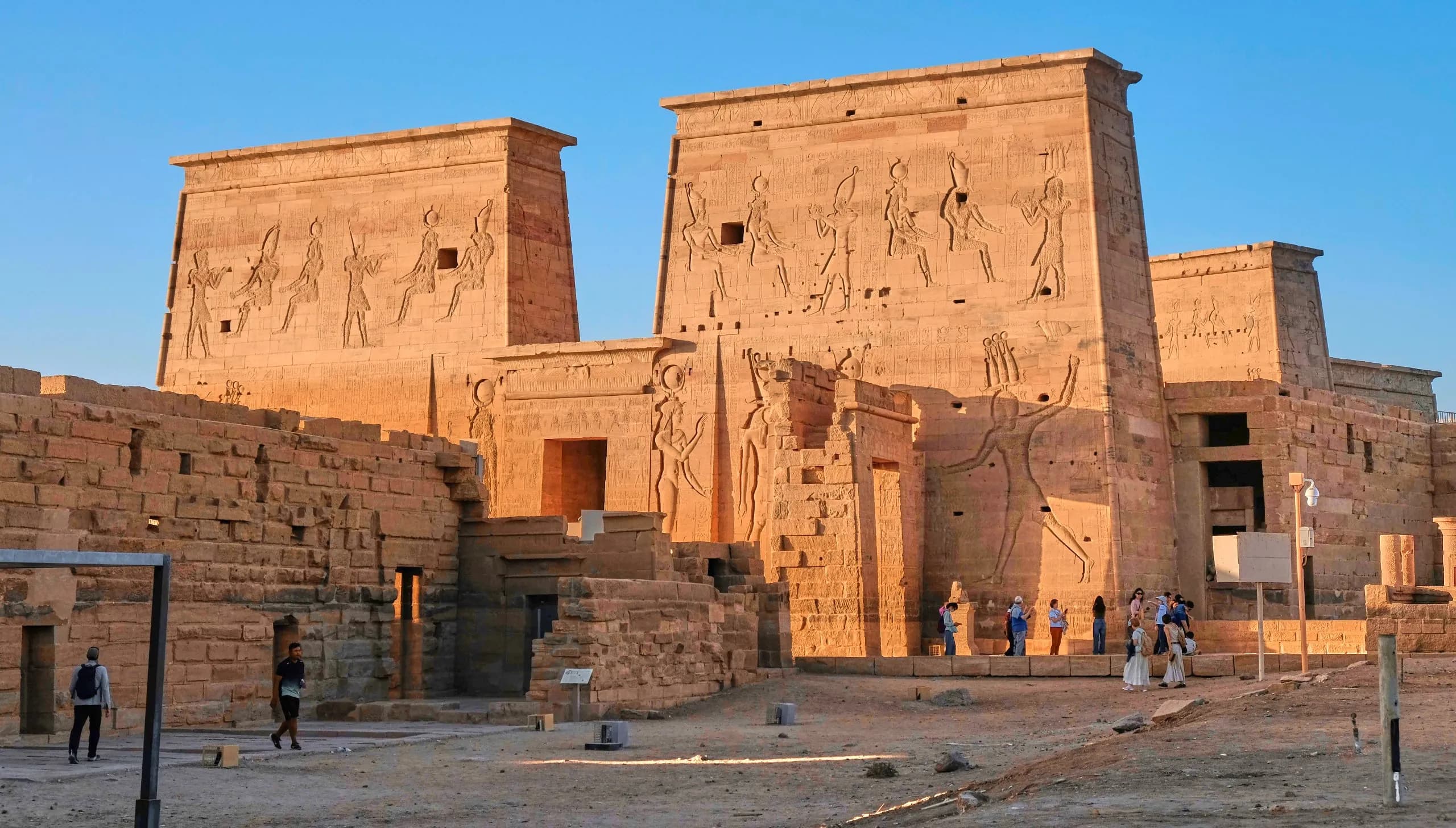
Aswan is one of Egypt's major tourist cities. It is home to a UNESCO World Heritage Site — the Philae Temple Complex, dating back to the 7th–6th centuries BC. A second reason to visit is that multi-day Nile cruises depart from here. Luxor is the main burial ground of the pharaohs and wealthy citizens of ancient Egypt. Hundreds of incredible tombs with colorful bas-reliefs have been preserved here. It attracts no fewer visitors than the pyramids.
You might think everything would be straightforward given how tourist-friendly these places are — but that is not the case. The Egyptian authorities go out of their way to push foreigners into organized group tours and make life harder for independent travelers. Not everyone is happy with that arrangement, and not everyone wants to pay a premium for it either. In this article I will explain how to see all the sights on your own, arrange your own transport, and — most importantly — what to actually visit. Because between the two cities there are so many interesting places that you could easily fill a month, and choosing among them is no simple task.
Aswan — A Stunning Stretch of the Nile
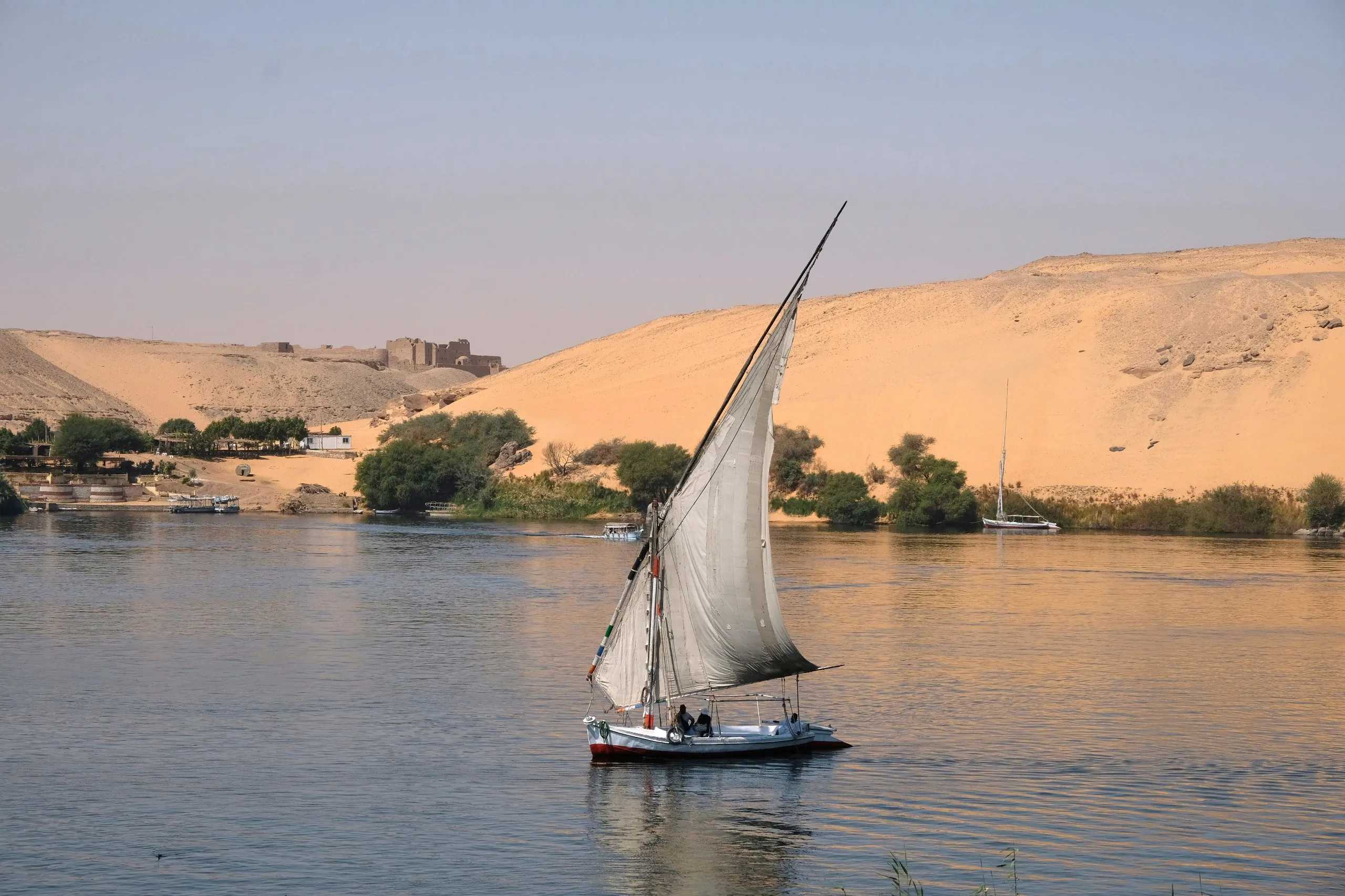
Aswan is one of the hottest and driest cities in the world. Even in the coldest months — January and February — temperatures can easily reach plus 35 degrees Celsius, though the average winter temperature is around plus 20 degrees. Aswan has a population of 400,000 people. The city stretches along one bank of the Nile, and directly opposite the city center lies Elephantine Island, home to the nubians. The area around Aswan offers strikingly beautiful views of the Nile. You can simply sit at a hotel on the island, watch the Nile, and enjoy life.
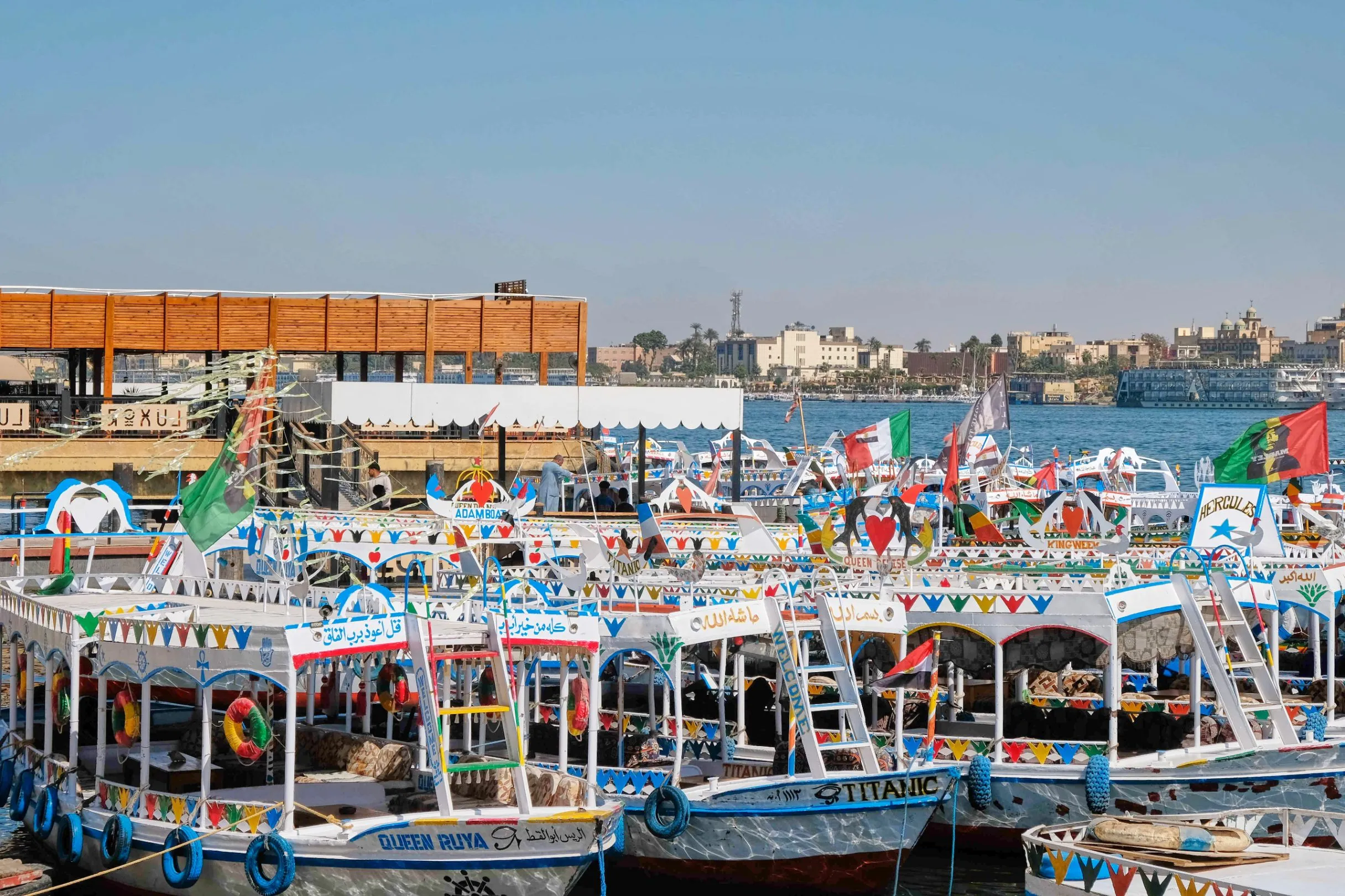
All the main activity in the city is concentrated along the Nile-side street — the Corniche — as well as Medan Mahata Street, which leads to the railway station, and the pedestrian market street, Saad Zaghoul. A long promenade runs along the Nile bank. However, a peaceful stroll there is made difficult by the many touts. Literally every ten meters someone will offer you a taxi, a carriage ride, lunch at a café, and most frequently of all — a ride on the Nile in a felucca, a traditional wooden sailboat. The price depends on your bargaining skills, the time of day, the length of the trip, and the size of the boat. The minimum you should expect to pay is five dollars (5 USD) per person.
Sights
The Philae Temple Complex is the main attraction that draws tourists to Aswan. These are not only among the greatest temples of antiquity — later converted into Christian churches during the Byzantine era, with frescoes painted over ancient bas-reliefs — but also a monument to the greatest restorers and engineers who, in the 1960s, dismantled all these temples on the island of Philae and relocated them to their current home on Agilkia Island. This was done to save the temples from being flooded due to the construction of the dam.
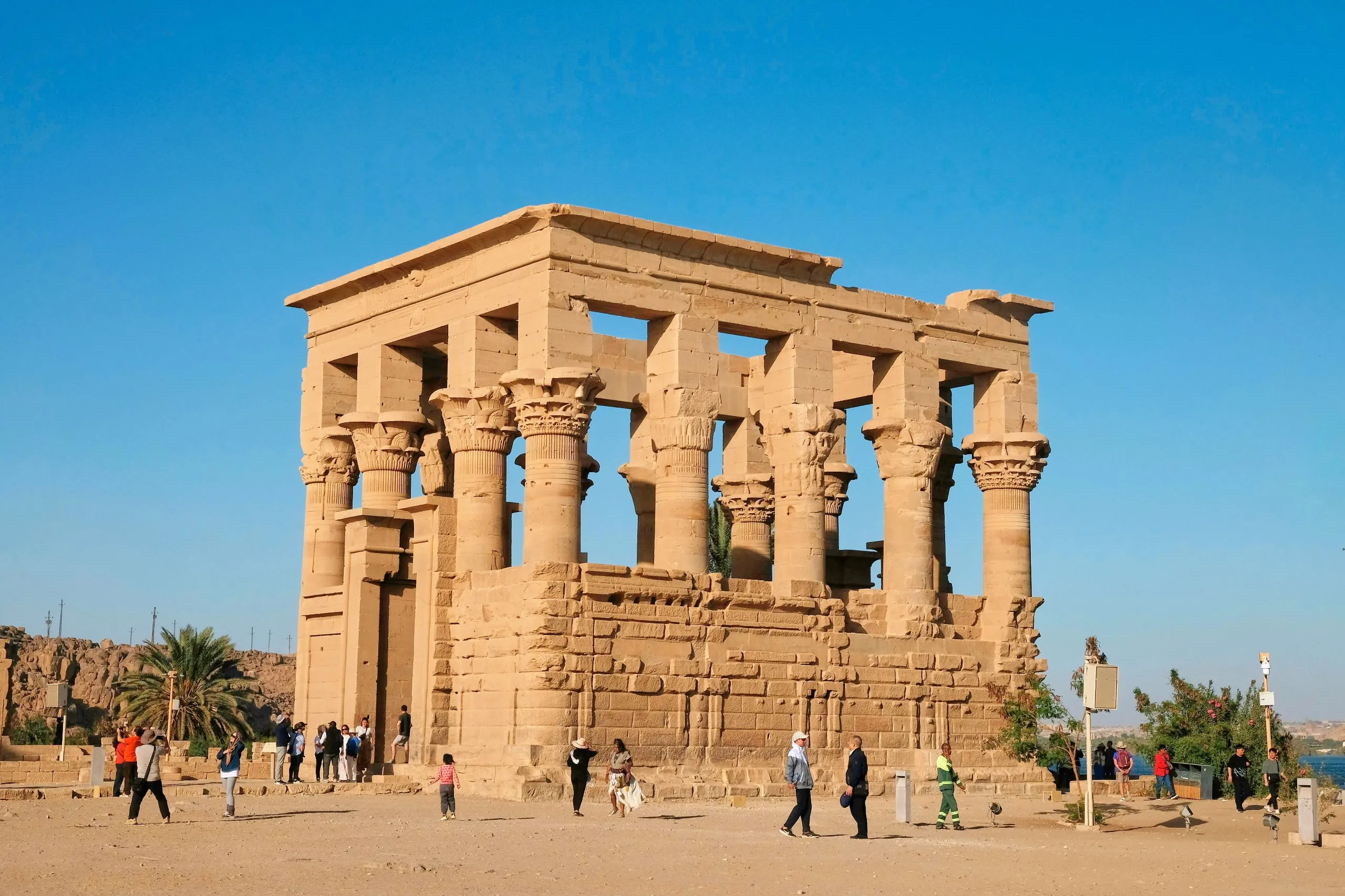
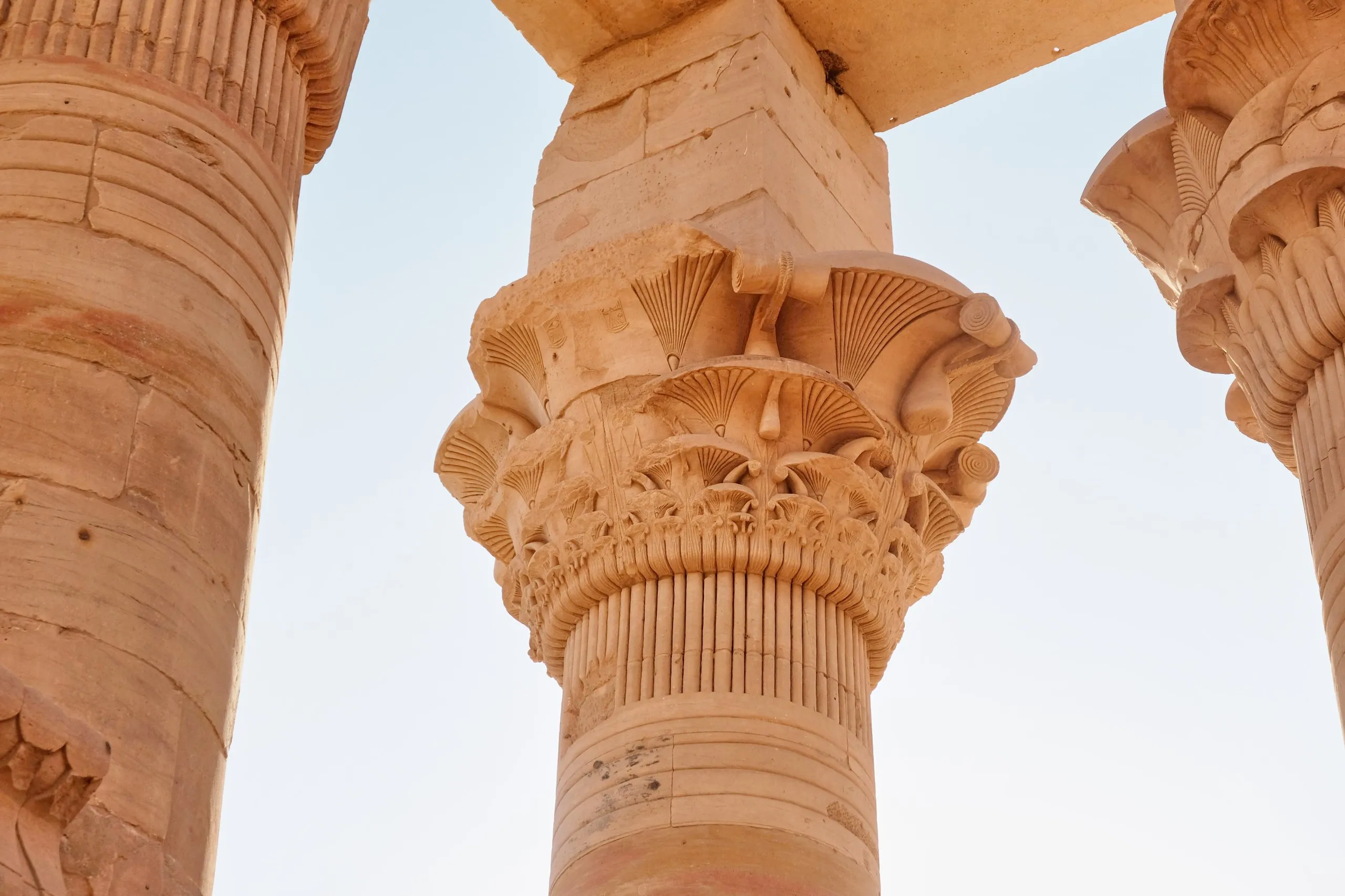
The site is quite large, and to take everything in properly you will need around three hours. The ideal plan is to arrive after lunch and stay on the island until closing time, so you can also catch the beautiful sunset light. In the morning, organized tour groups are at their most numerous. The entrance ticket to Philae costs 550 Egyptian pounds (10.1 USD).
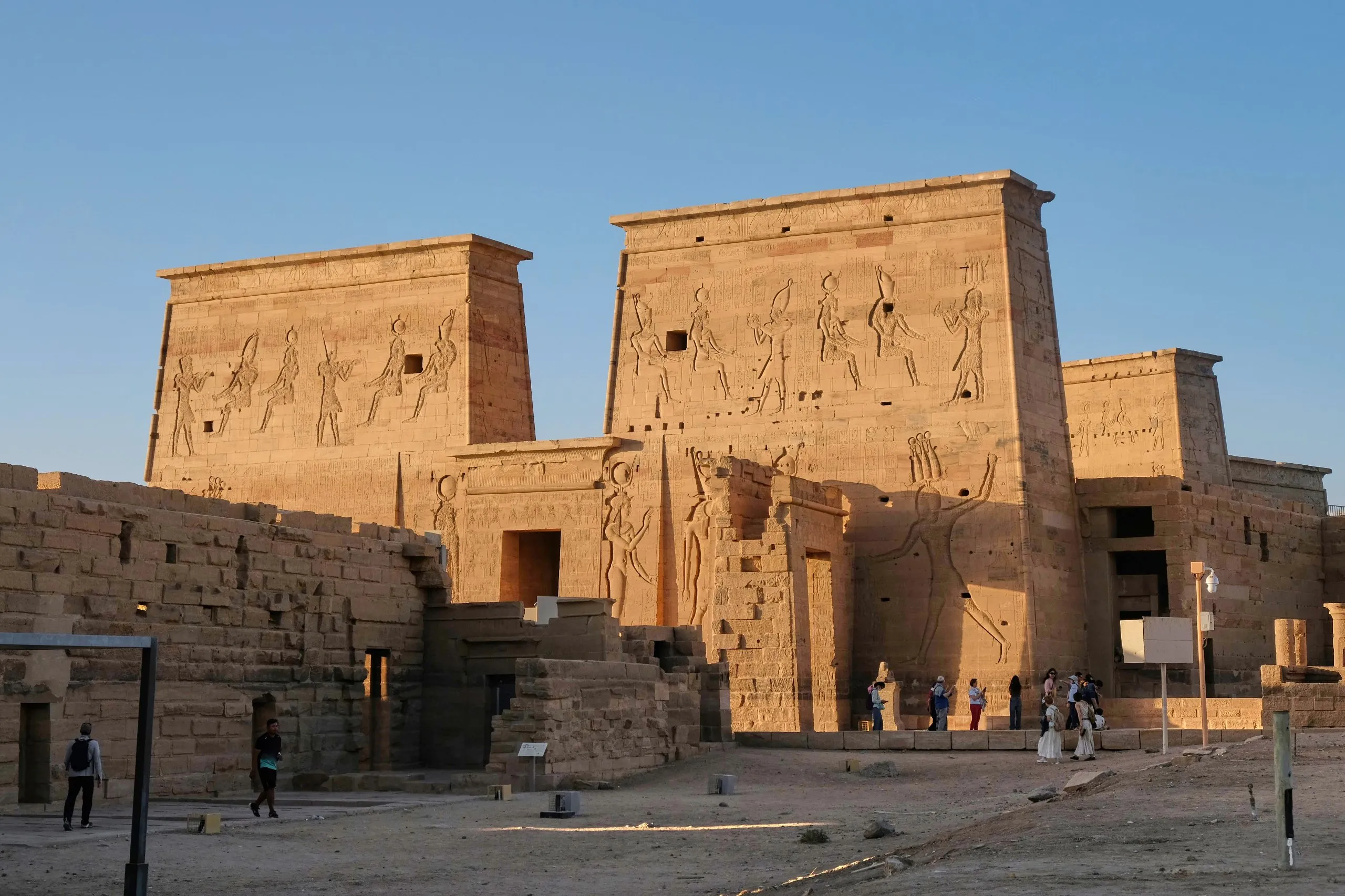
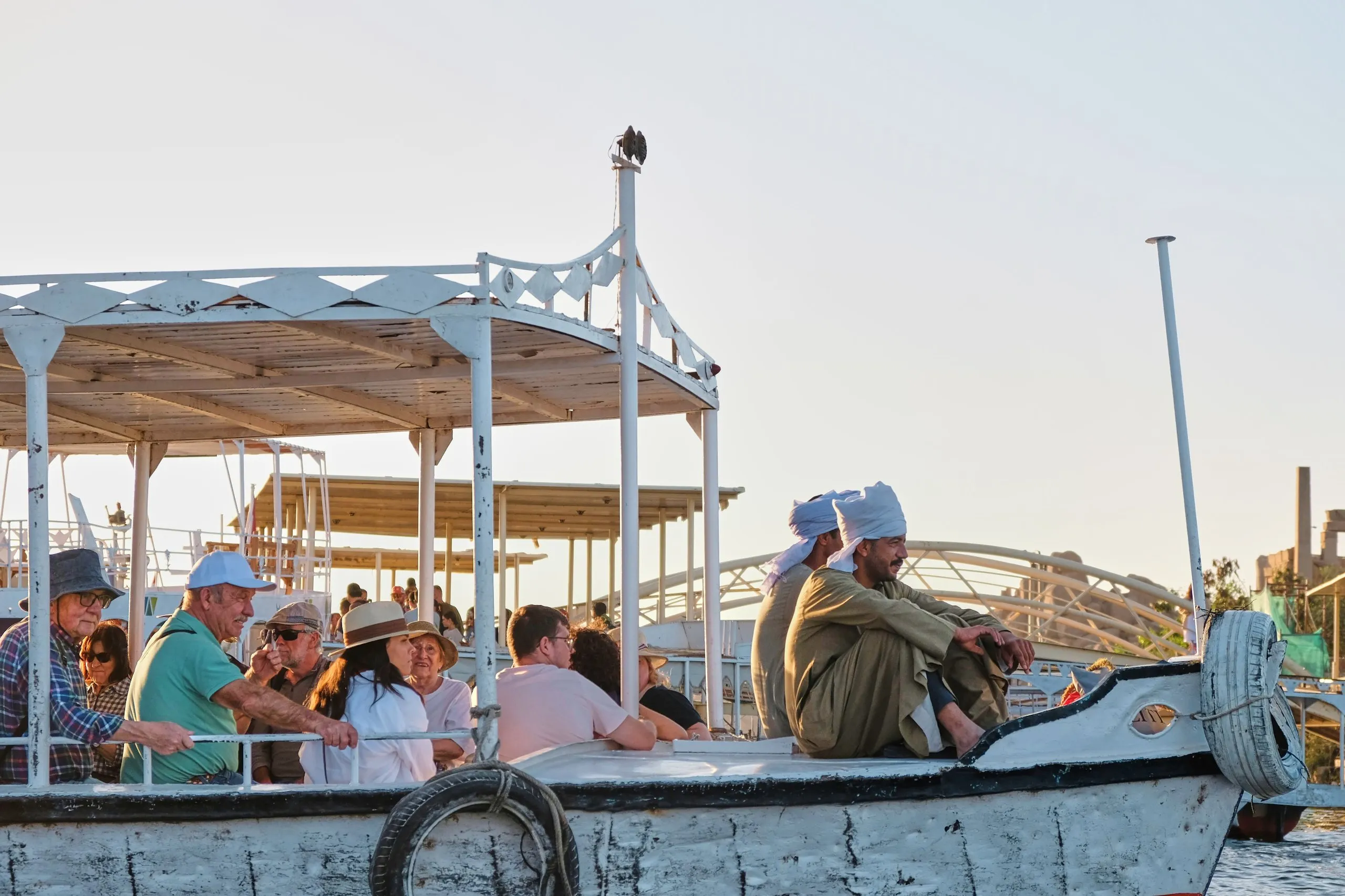
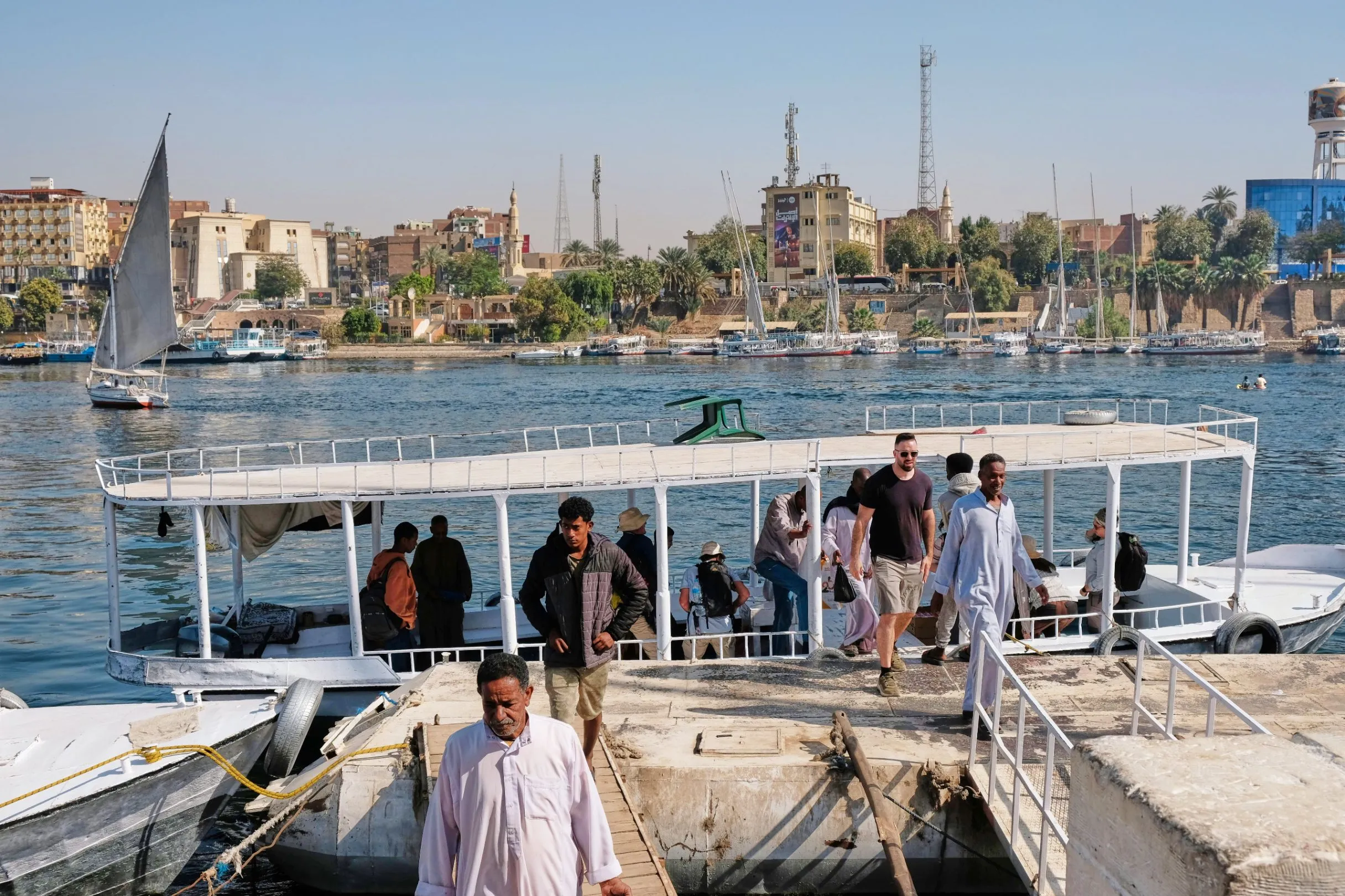
How to get there. The island is eight kilometers from Aswan. Boats depart from a dedicated jetty, where the ticket offices are also located. The boat ride is not included in the ticket price. The official fare is 450 pounds (8.26 USD) for the whole boat, which holds up to 20 people, for a return trip. However, none of the boatmen stick to these rates, and you will be doing well if you manage to haggle down to 200 pounds (3.67 USD) per person one way. The boatmen are aggressive: they shout, argue, and try to prevent you from negotiating or joining up with other visitors to share a boat. Read the Google reviews to get a rough idea of the "battle" that awaits you. This will help you prepare mentally and avoid letting it spoil your experience of the Philae temples.
Where to find a boat without the haggling?
Here is a tip: instead of heading to the main ticket office and jetty, make your way to the nearby village of Shash. There are boatmen there too, and they are not nearly as loud, aggressive, or greedy. You may still end up paying the same 200 pounds per person, but it will all happen without the bargaining, theatrics, and arm-twisting. The journey across the water is beautiful in itself, but you can make it even more magical by bringing a bag of breadcrumbs to toss to the seagulls.
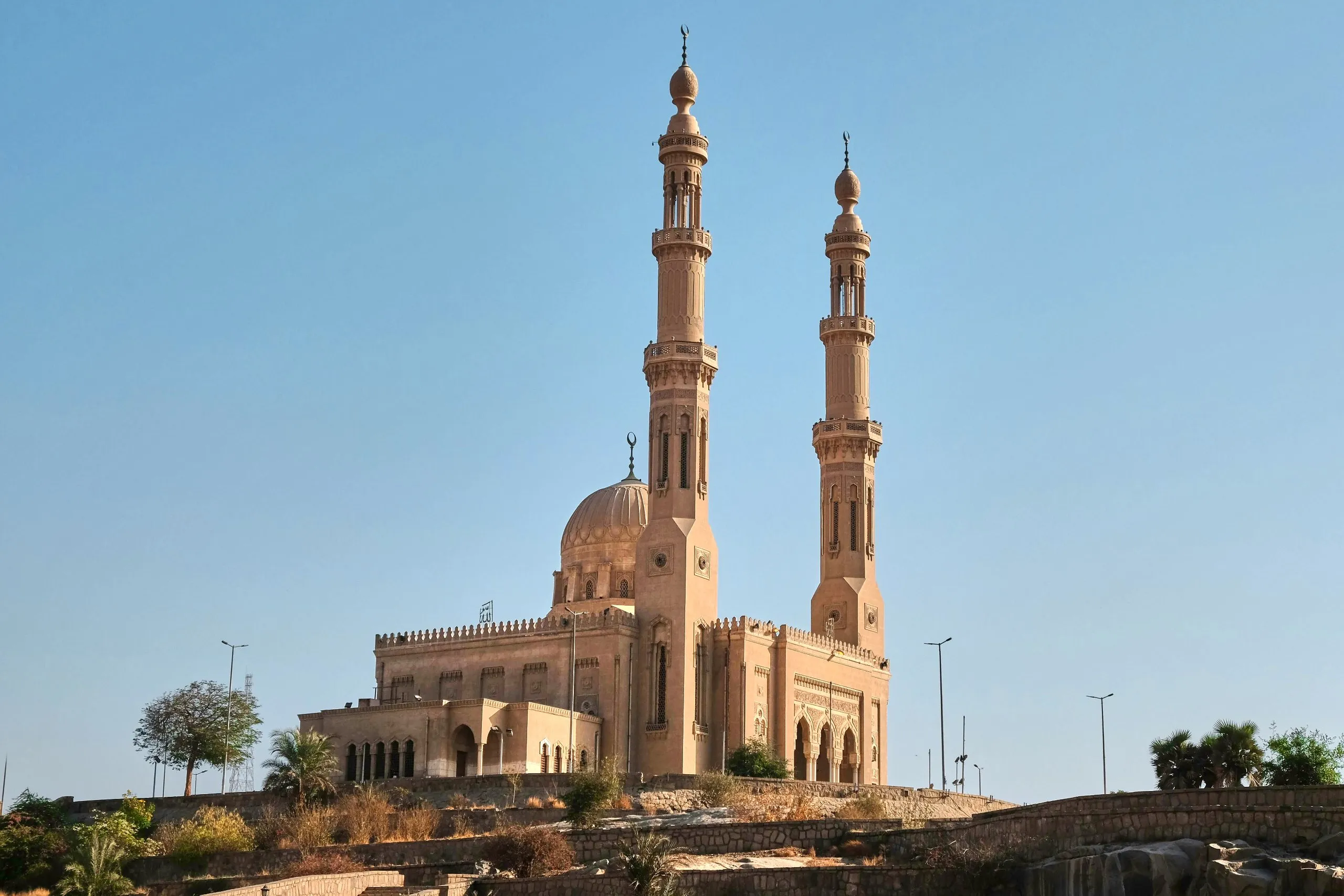
What else to see. Al-Tabia Mosque — the largest in the city, it rises on an artificial hill next to the market. Church of Saint Teresa — a classic example of Catholic ecclesiastical architecture. Coptic Cathedral of the Archangel Michael — the largest Coptic church in the city; worth a look to see how everything is arranged if you have never visited one before.
The Unfinished Obelisk — the largest of the ancient obelisks, which was indeed never erected or even completed. It remains embedded in the bedrock to this day, and that is exactly how tourists see it. The entrance ticket costs 200 pounds (3.67 USD).
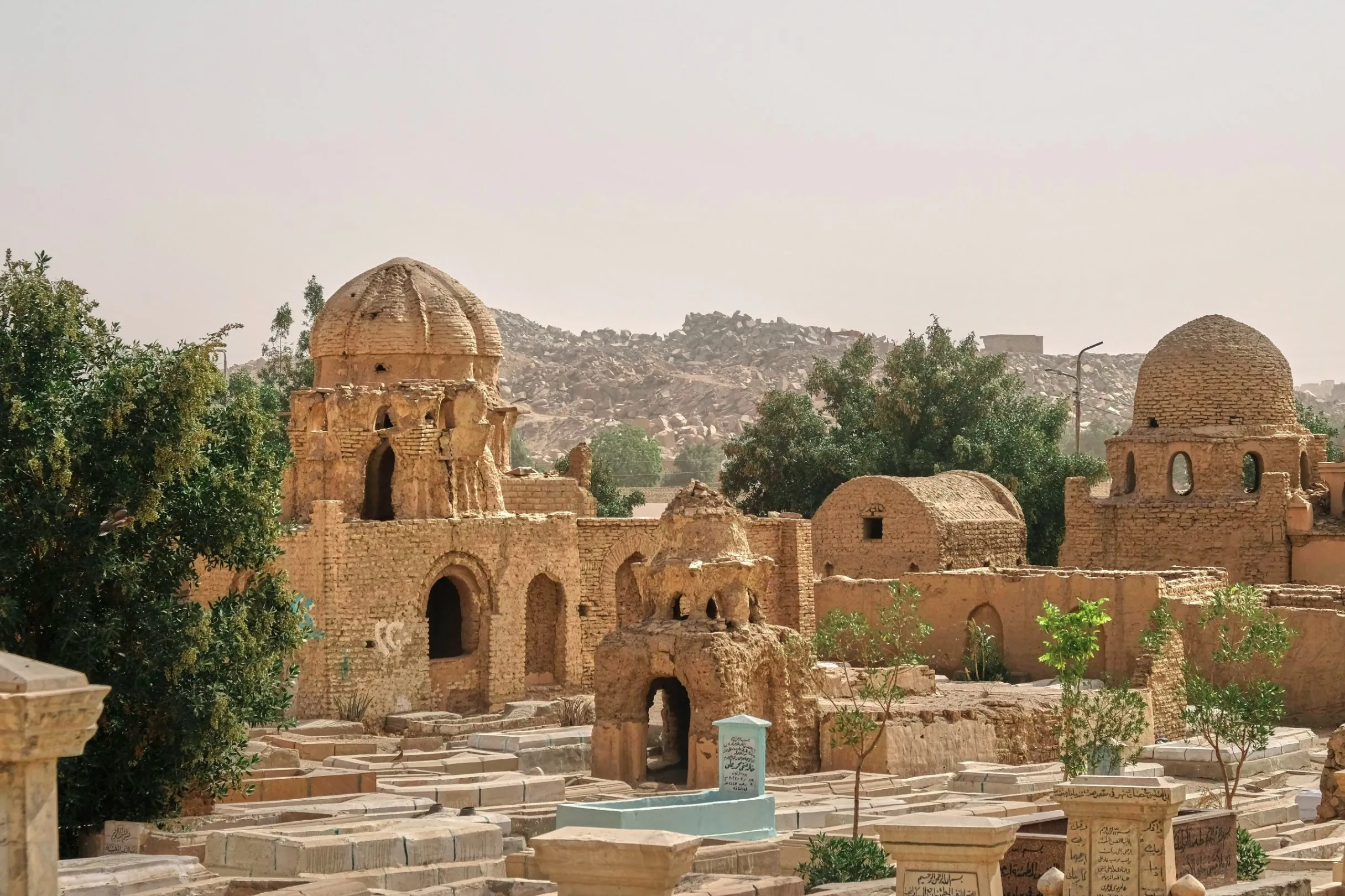
The Fatimid Cemetery — here you will find both ordinary graves and ancient mausoleums of notable figures.
The Nubian Museum — plenty of archaeology and antiquities, but best suited either for those who are genuinely enthusiastic and knowledgeable about the subject, or for those who are not planning to visit the Cairo Museum — whether the new one or the old one.
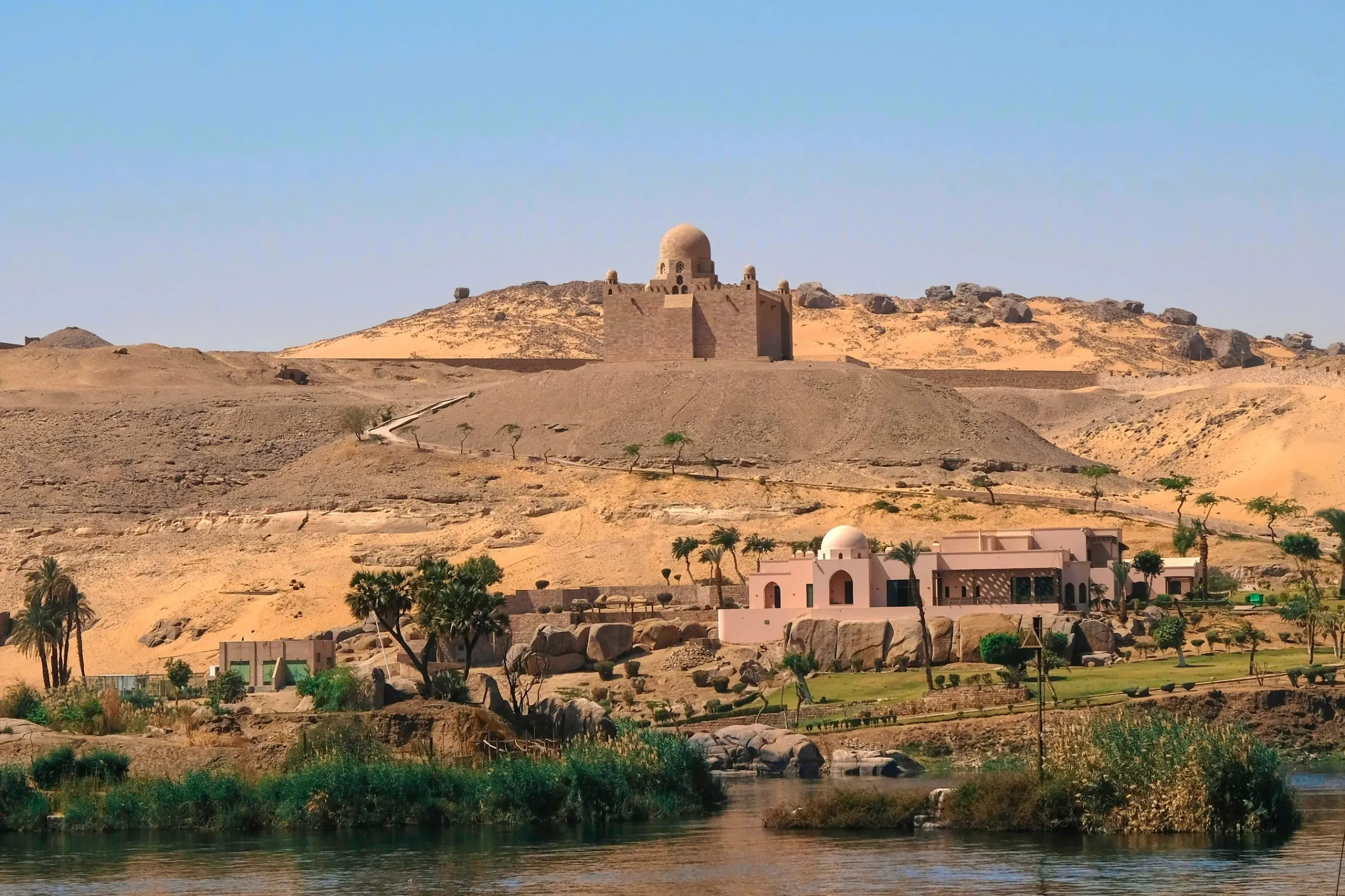
On the opposite bank from the city stands the mausoleum of Aga Khan IV — the head of the global Ismaili religious community. You cannot go inside, but it is clearly visible from everywhere. Nearby are the ruins of the Monastery of Saint Simeon, which you can visit. The entrance ticket costs 100 pounds (1.83 USD). A couple of kilometers away are the Nobles' Tombs with colorful bas-reliefs inside. If you are not continuing on to Luxor, they are worth a visit. In general, the area around Aswan is full of various ancient sites and excavations, so you could easily spend a week or two here and find something new to explore every other day.
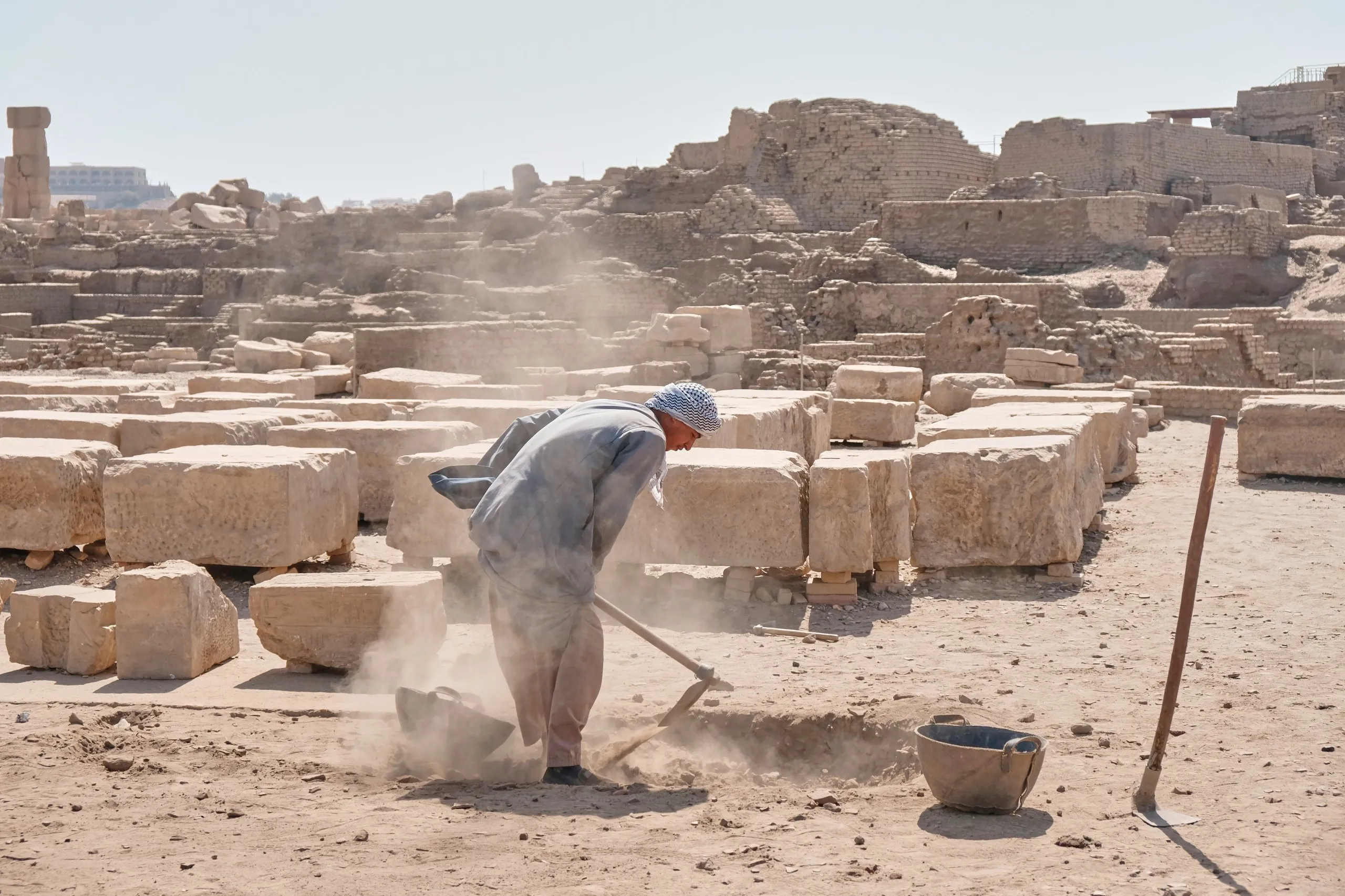
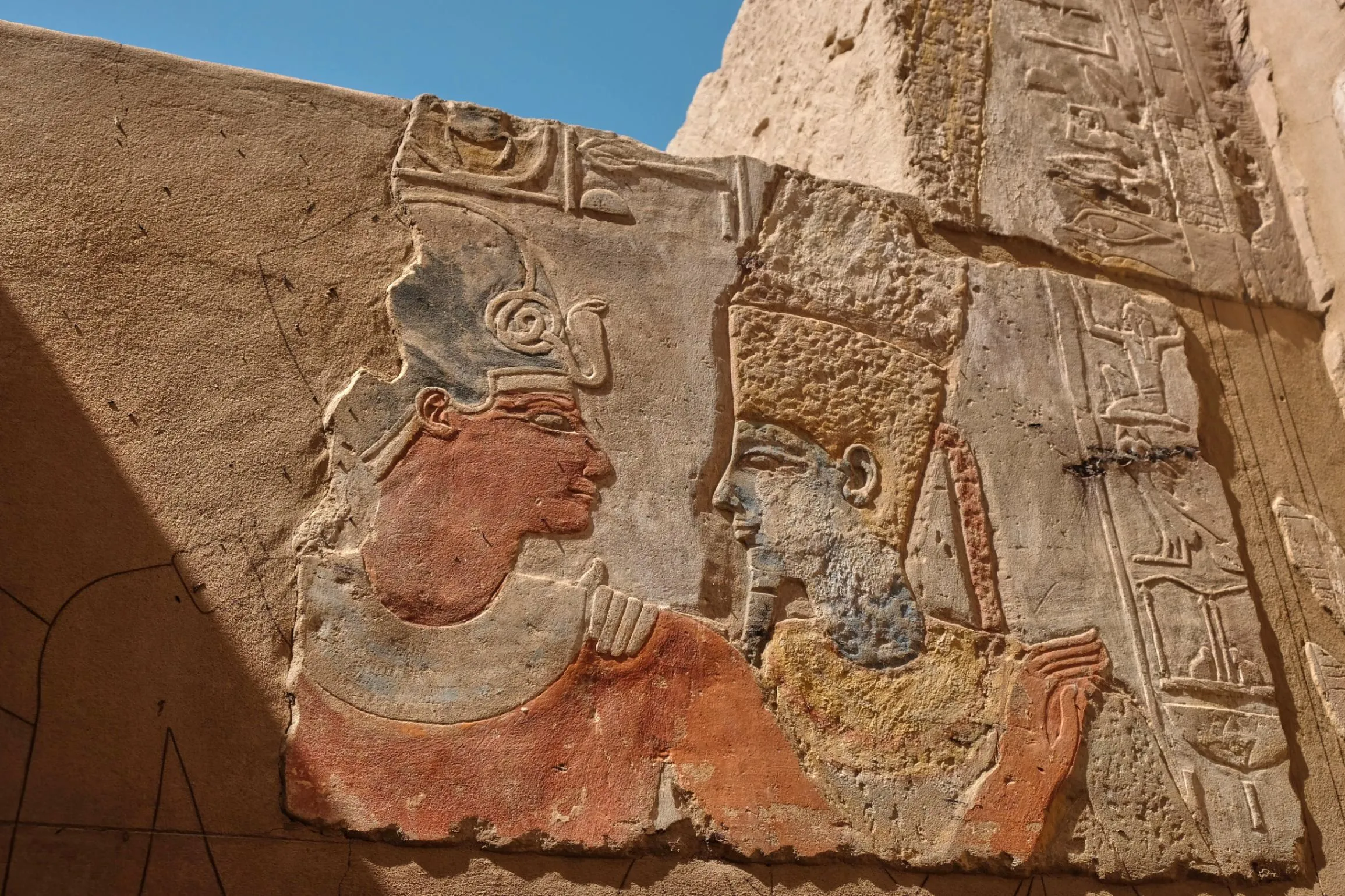
The Temple of Khnum and other excavations on Elephantine Island. These antiquities will not impress you with their scale, but this is a living archaeological site where excavations take place daily, and it is fascinating to watch. Many of the smaller structures here have also been restored — often with a large portion of their volume reconstructed. The way the restoration has been carried out is another reason to visit. Ancient bas-reliefs have been recreated only in outline, left unpainted and making no attempt to look ancient. Walls have been rebuilt in the same spirit, with a clear acknowledgment that this stone was made literally yesterday, while that one is two thousand years old. The ticket costs 200 pounds (3.67 USD).
What we would not recommend. Ten kilometers from the city are two dams. One dates from 1902 and was built by Great Britain. The second was constructed by Soviet specialists and launched in 1970 — it can be visited, with a ticket costing 200 pounds (3.67 USD). But there is really nothing to see there — just views of the Nile, and that is about it. Nothing of technical interest is on display, and at the spots where scenic views of the dam itself open up, you are not allowed to stop or take photographs. There is also a monument to Arab-Soviet friendship — thoroughly unremarkable. You can get there by taxi. Also not worth visiting is the island botanical garden — it looks like a littered park. City ferries run to it.
Food
Finding good food in Aswan is not easy. There are few cafes in the city, and they look very plain and uninviting. Along the waterfront there are several floating restaurants aimed at foreign visitors. Elephantine Island has plenty of cafes and hotels. Nothing fancy there either, but the guesthouse owners at least speak some English and have adapted their menus a little for international guests. Menus typically include European dishes, pan-Asian options, and Egyptian food. On average, these places will be a bit cleaner than the local spots frequented by residents, but naturally also a couple of times more expensive. Even so, the final bill is still low, and a meal per person rarely exceeds five dollars.
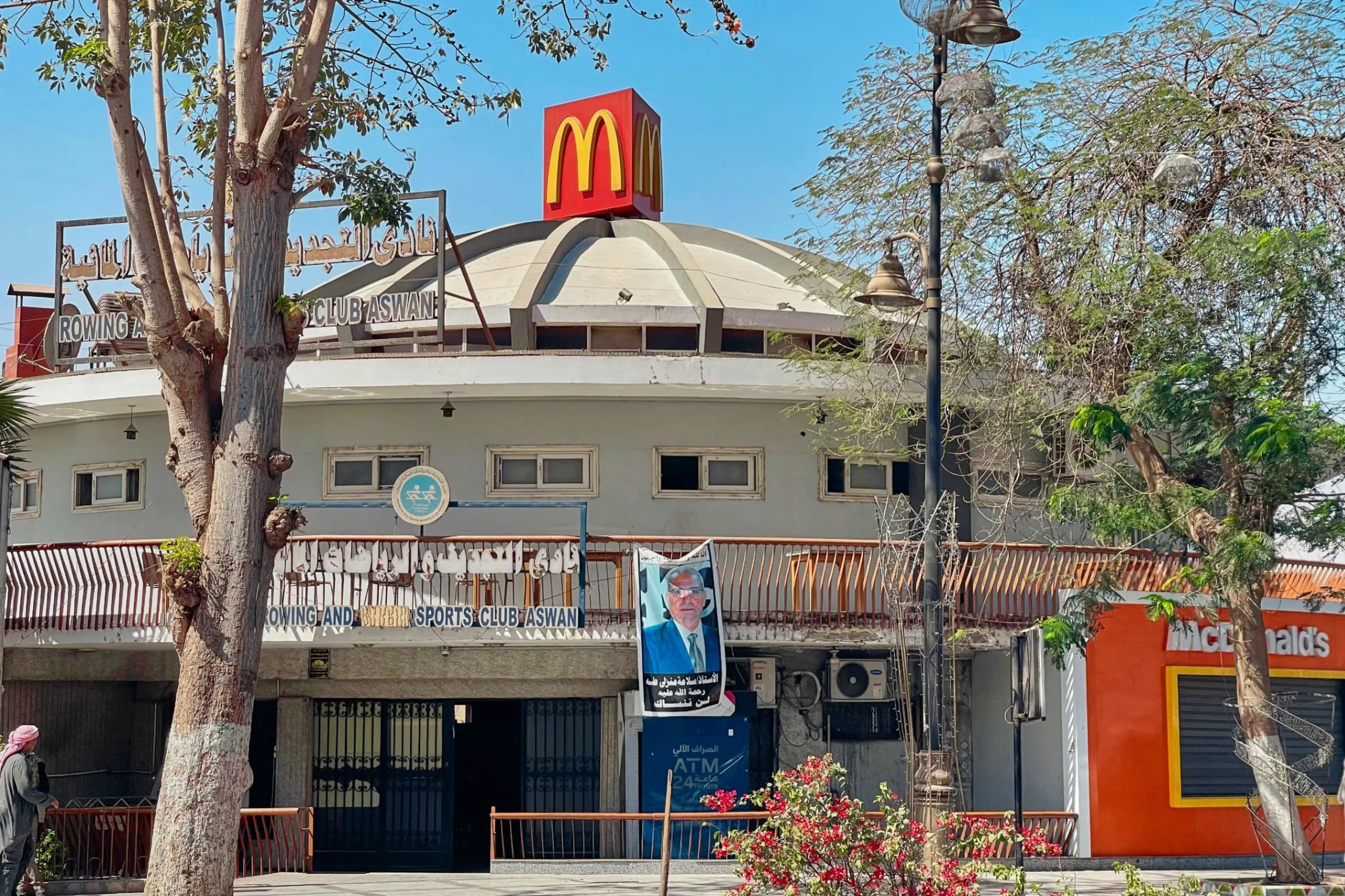
One telling sign that the food situation in Aswan is not great is McDonald's, packed to the rafters with foreign tourists. There is also a KFCon the waterfront. In the city center there are a couple of decent supermarkets — Carrefour and Al Rayah.
Al Tabban — a cafe serving date-based desserts and drinks: fresh juices, milkshakes, and coffee, including a version made with camel milk.
Accommodation
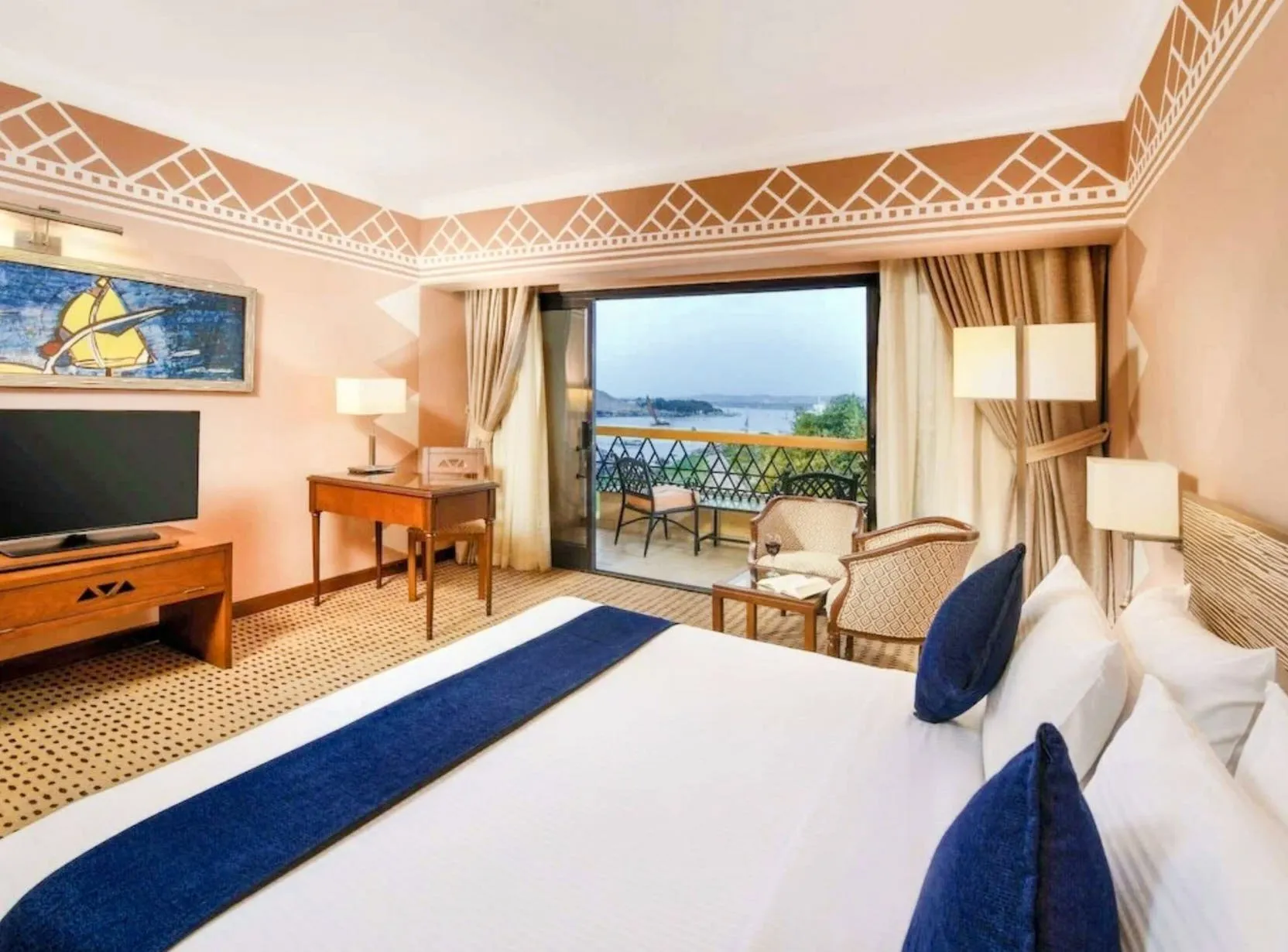
Elephantine Island sits in the middle of the Nile opposite the city centre. Half of the island is occupied by the chain hotel Mövenpick, the other half by excavations of ancient Egyptian temples, and between them lies a Nubian village. It is a dense cluster of small houses with narrow, winding lanes barely wide enough for two people to pass. There are no cars on the island. There are, however, plenty of simple guesthouses and attached cafes run by locals. It is quiet here, unlike the city centre where the other hotels are located, and at the same time you are close to everything important and interesting, without needing to take taxis as you would if you stayed somewhere on the outskirts of town.
A couple of specific recommendations — the guesthouses Habob, Bepy's Nubian and Bob Marley (you can also eat there). The Mövenpick occupies a vast territory, and you can stay there without ever brushing up against the reality of Aswan. A night costs from 220 euros (247 USD).
Among chain hotels there is also the Sofitel in the city, but it is even more expensive — from 700 euros (786 USD) per night.
Transport
Ferries to Elephantine Island run from the city centre (there are two stations) from 06:30 to 23:30; the crossing takes a couple of minutes, and a ticket costs 15 pounds (0.28 USD), with departures every ten minutes. At night you can get there for 100 pounds (1.83 USD). Getting around the city by taxi is convenient — InDrive works great, but payment is cash only.
Nile Cruise: from Aswan to Luxor
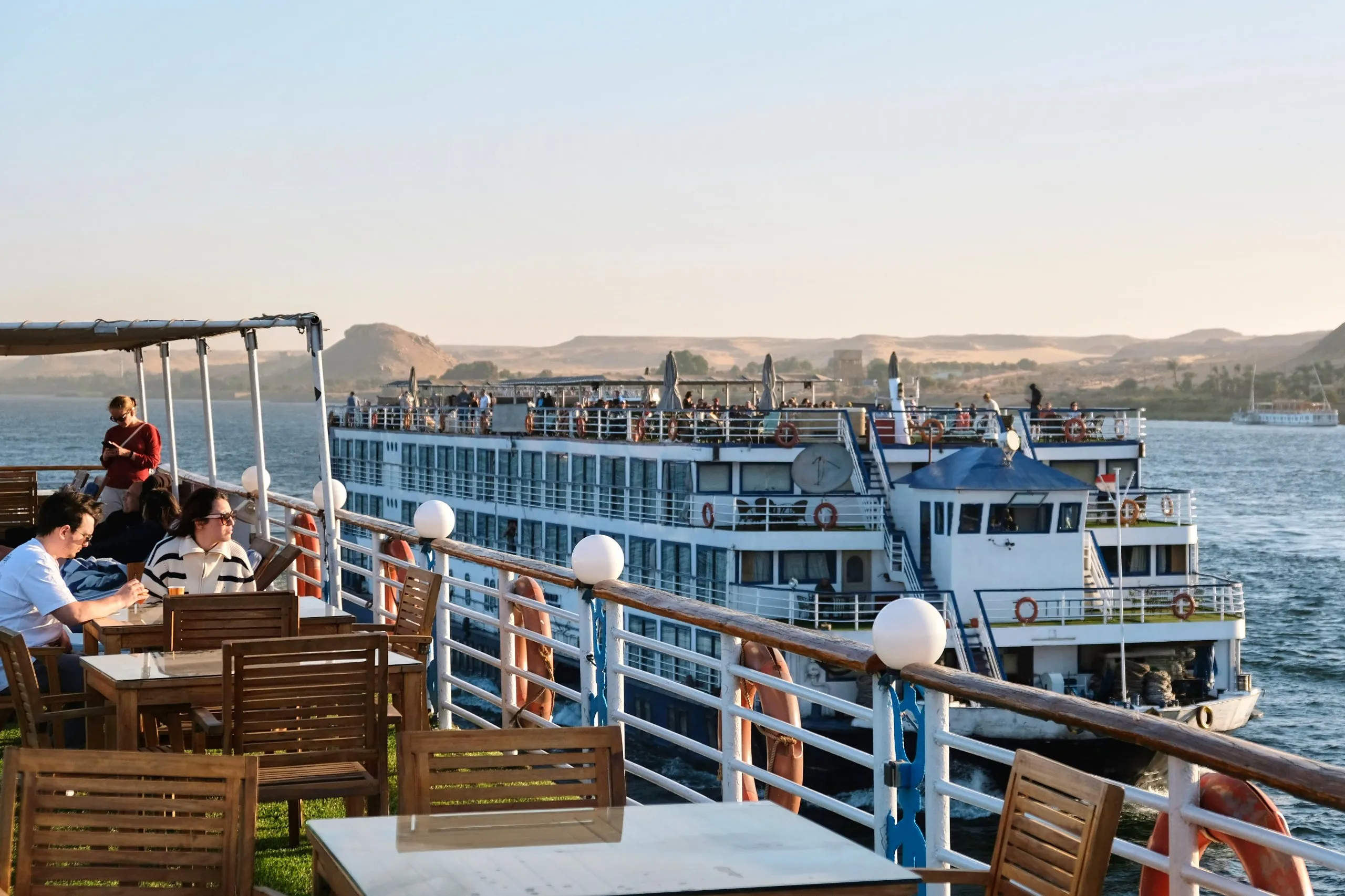
The Nile stretches 1,200 kilometres through Egypt, yet long-distance cruises are surprisingly rare in the country. The most popular route runs between the two cities of Aswan and Luxor, covering just 230 kilometres. Sailing from Aswan to Luxor, rather than the other way around, is faster because you are travelling downstream. Dozens of cruises depart every day, making their way along the Nile in a long, drawn-out procession.
Types of cruises
There are two types of vessels:
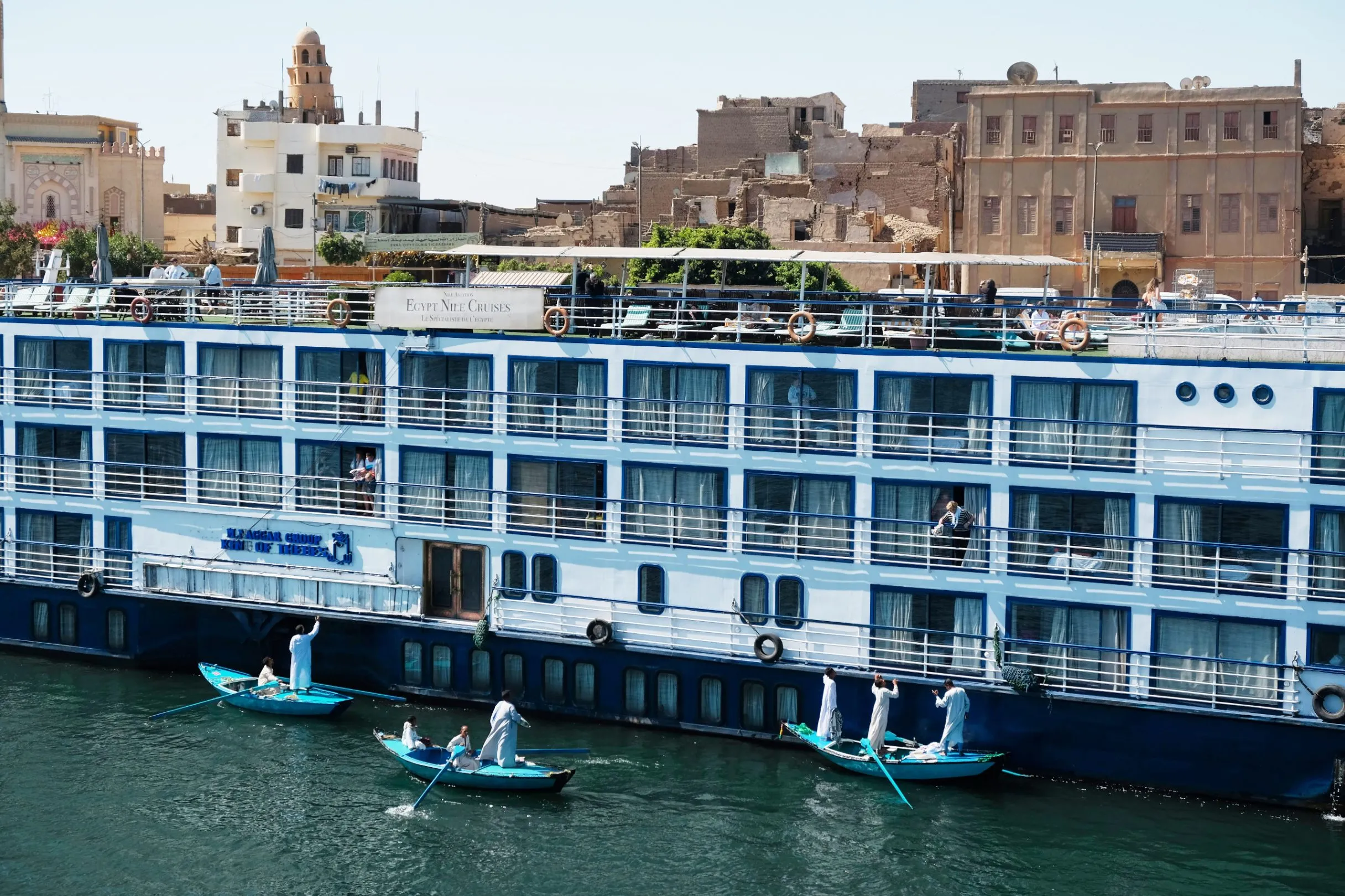
Large ships carrying 50 or more passengers. These are older vessels that once sailed on European river cruises. They range from quite basic to ornate, with carved wooden details and an abundance of stone in the décor.
Small sailing feluccas carrying 5–15 passengers. These always offer a more luxurious service, with prices considerably higher than those of the large ships. That said, if you have a big group and can book the entire boat, you can plan the perfect trip — with stops and a menu entirely to your liking.
How to book a cruise
There are three ways to do it:
1. Through agencies — this will always be more expensive than the other two options. One advantage: if they are Western tour companies, at least their tour programmes tend to be more interesting.
2. Online services. The widest selection can be found on Live Aboard and Viator.
3. In person. All cruise vessels are moored along the Aswan corniche. You can walk up to each one and ask about available spots. However, this option is very unreliable. Cruise staff are not particularly motivated to help you (unless it is a very expensive cruise), and they do not sell tours directly — always through some agency, either their own or a third party. Many of the agents whose contact details you will be given will not respond at all, or will not give you anything concrete.
In Luxor it is even more complicated, because the cruise docks are located 20 kilometres from the city and are not concentrated in one place the way they are in Aswan.
Monty
There is an agent in Aswan named Monty — and it feels like he is the only one there. The staff of four different cruise boats all gave me his contact details. His contacts can also be found on the Vinsky forum. The reviews of him are not glowing: haggling over the price, theatrics, hand-wringing on his part, replies once a day — yet in the end everyone buys their tickets through him, which is quite the paradox. The best approach is to message him in advance, tell him your plans, get prices and the name of the vessel, and then, once you arrive in Aswan, call him to arrange a meeting. His contact details: +20 102 511 10 63.
Prices
Cruises from Aswan to Luxor are usually sold as three- or four-day trips, and occasionally two-day trips if cabins are available right before departure. The cheapest cruises cost $150 (150 USD) per double cabin per night. The most expensive are around $1,000 (1000 USD). If you are traveling alone, you will need to book the entire cabin yourself or hope that another solo traveler on your cruise is willing to share a cabin with a stranger.
This price includes three meals a day in buffet format and the journey itself. Drinks are paid separately, but they are not particularly expensive. 1.5 liters of water costs 80 pounds (1.47 USD), coffee — 120–180 pounds (2.2 USD–3.3 USD), beer — 300 pounds (5.5 USD).
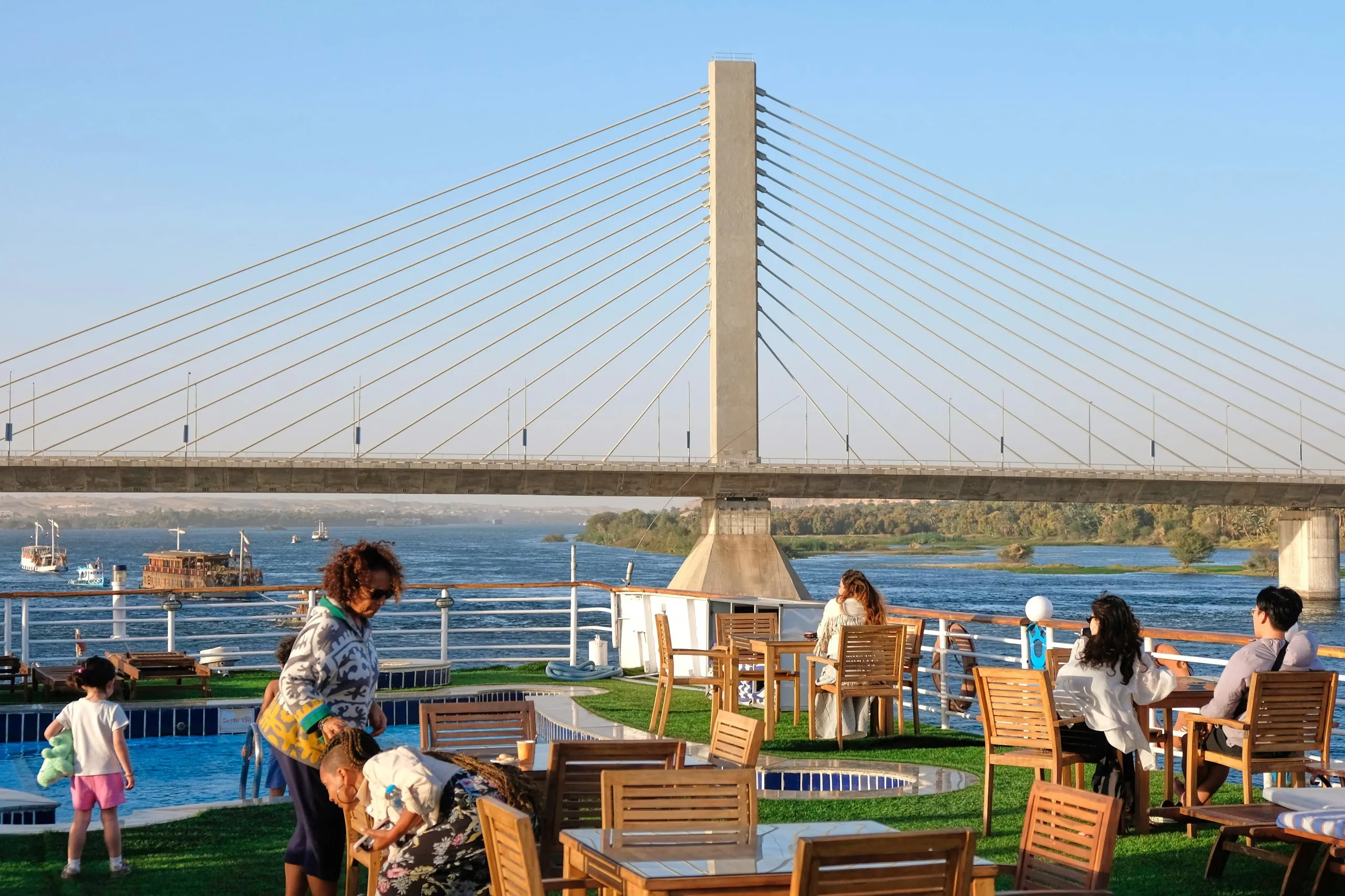
How the cruise works
Everything written here applies to cruises on large vessels. On small feluccas, things are very different in terms of food, service, and itinerary.
Day 1. Check-in, overnight in Aswan. That is, on the first day you don't sail anywhere at all — the ship simply serves as a floating hotel. During the day, tourists are usually taken to see the High Dam and the Philae complex. Excursions are included by default on more expensive cruises; on cheaper ones you can opt out of them. The excursions are fairly disorganized, and all the sites are rushed through.
Day 2. Overnight, some tourists head out to visit the temple at Abu Simbel — 560 kilometers round trip. The cruise departure time is therefore tied to their return. The ship usually sets off at midday, with a stop at Kom Ombo to visit the temple (one to one and a half hours), then arrival in Edfu.
Day 3. A visit to the temples at Edfu (two hours), then sailing on, passing through the lock at Esna (which can take a while depending on your place in the queue), arrival in Luxor, and an overnight stay in Luxor.
Day 4. Excursions around Luxor, overnight on board in Luxor. This is usually the easiest day to opt out of.
In practice, tourists are actually sailing for only two days, but all companies push four-day tours, and you'll only be able to buy a two-day trip if cabins happen to be empty on the day of departure and you're lucky enough to find such a boat. That's only possible if you're already on the ground — it's not something to count on.
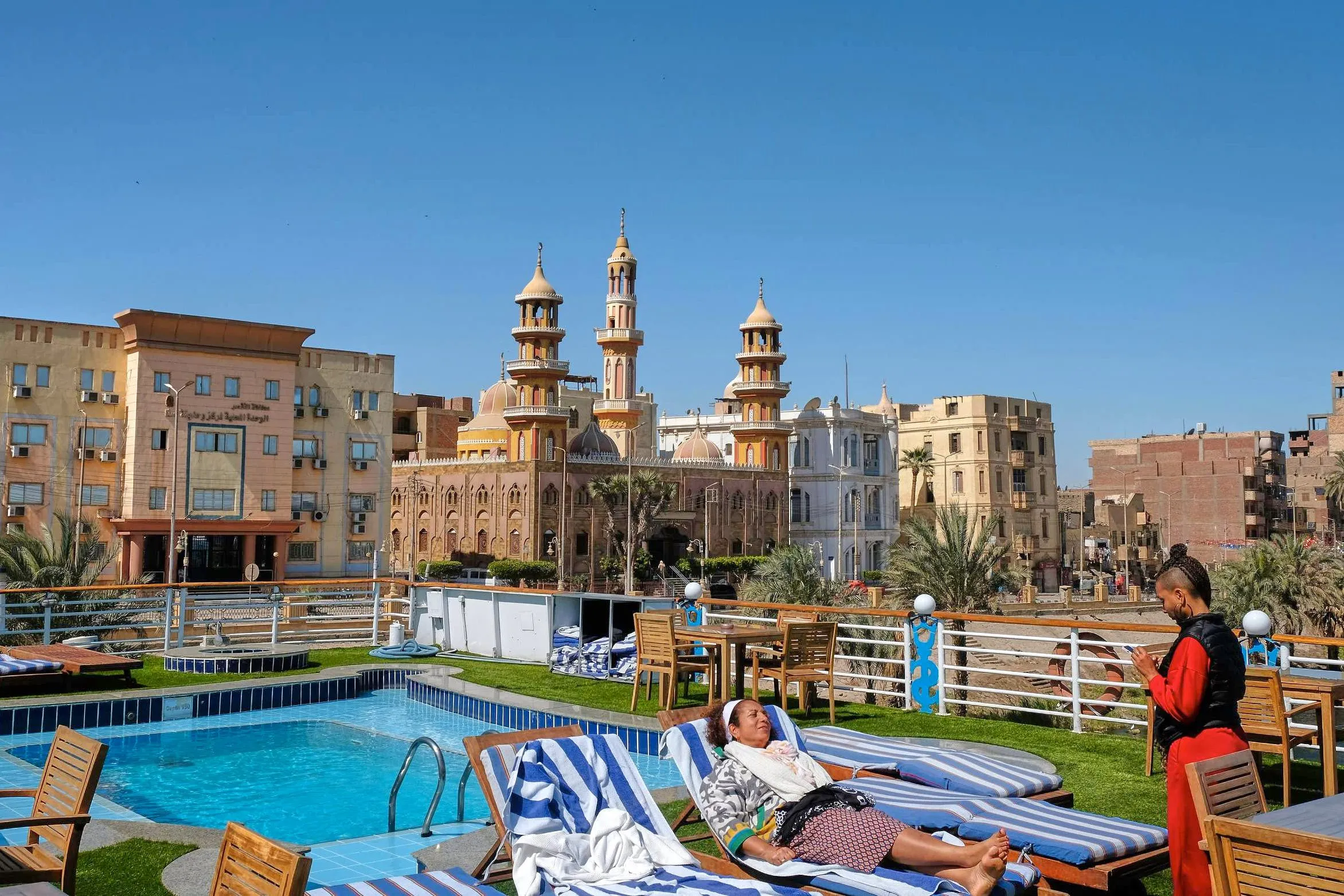
How the ship is organized
The upper deck is usually set up with tables, sun loungers, a pool, and a bar. There is also another bar area on the second-to-top floor, where various events such as disco nights and belly dancing performances are held. There is typically a small souvenir shop and a massage room on board. You can sit and work in the lobby. Wi-Fi is not free on the ships — you have to pay for it separately. That said, it will almost always be cheaper to simply buy a local SIM card. The staff are friendly, helpful, and unobtrusive.
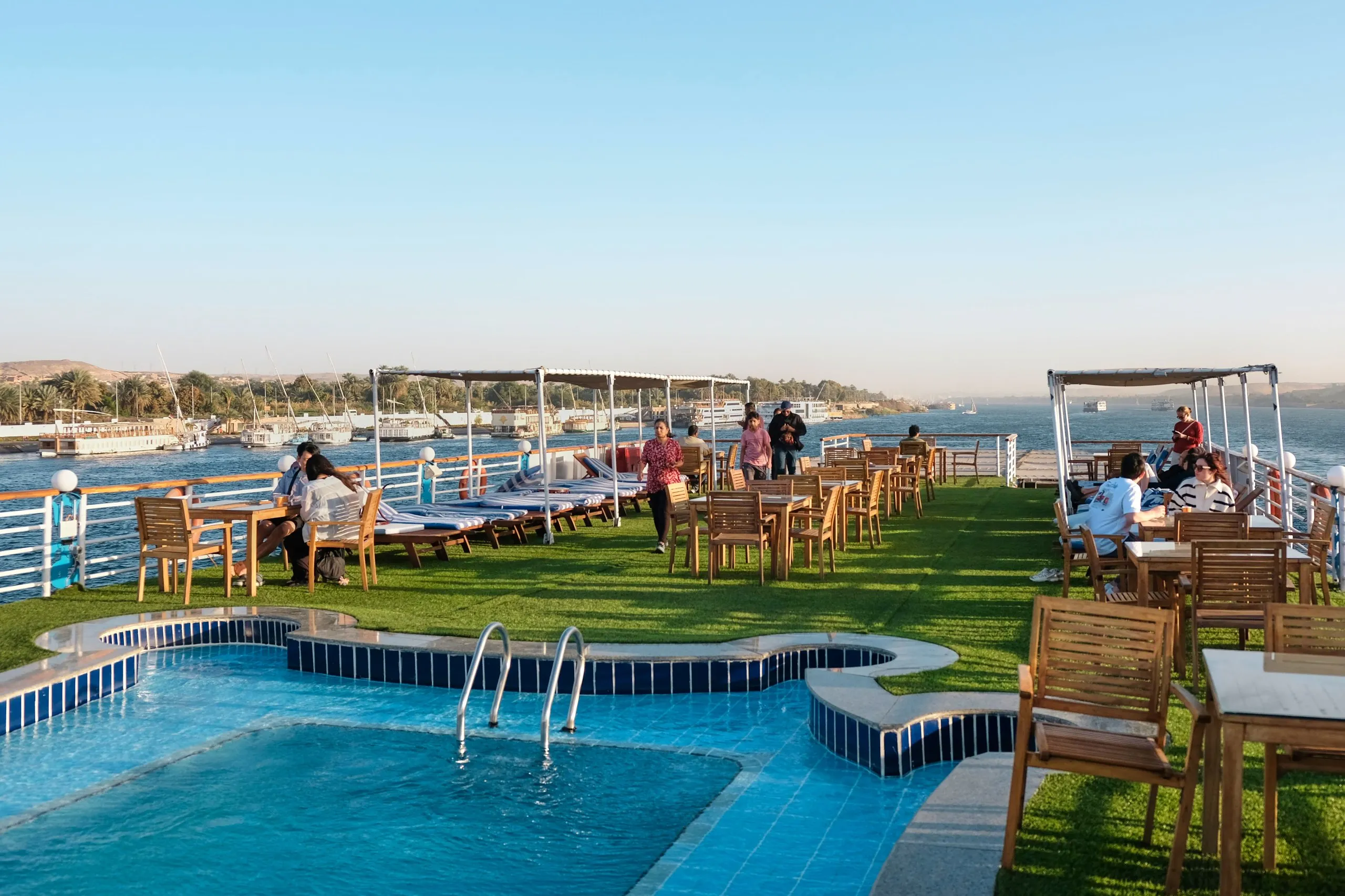
Personal experience
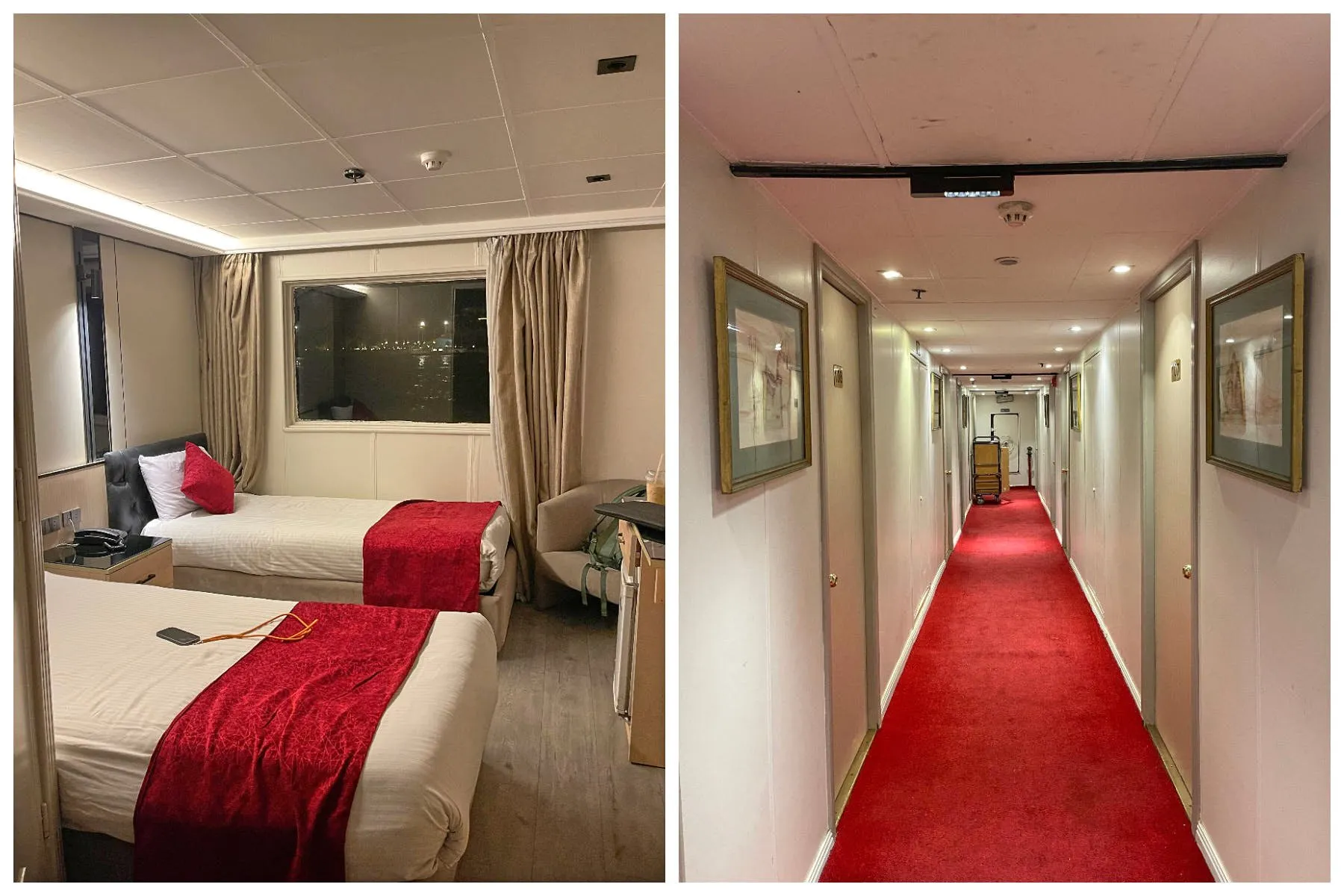
I sailed on the cheapest ship, Queen Isis, for $150 (150 USD) per night for a double cabin. For that price, it's genuinely hard to find anything to criticize. Don't be afraid to book a lower-deck cabin: there's no balcony, but you get an unusual view right at water level. The cabins are small and some of the furnishings are a bit tired, but everything is clean, and towels and bed linen are changed every day (if that matters to you). The water in the bathroom is hot. The cabins are neither stuffy nor hot.
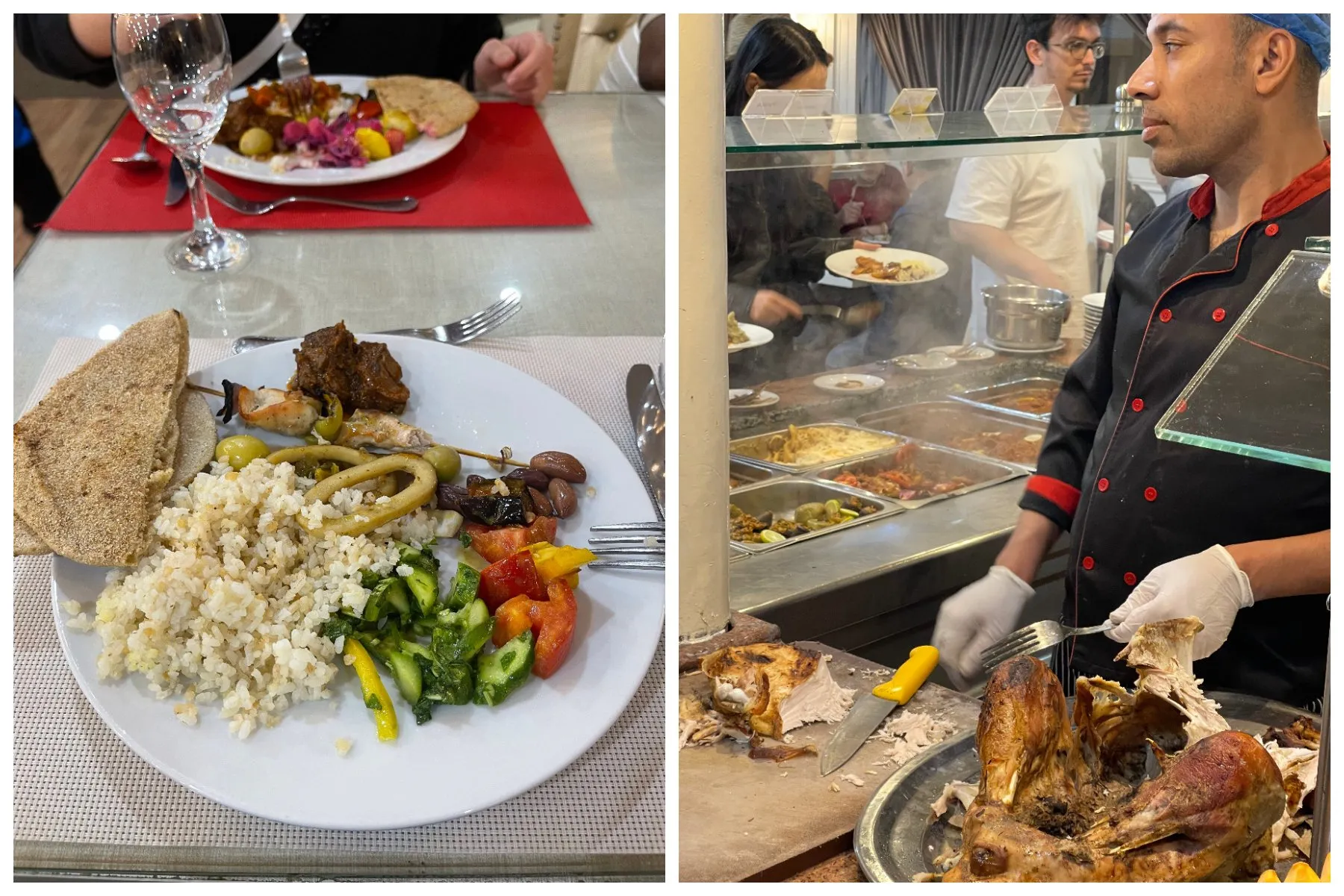
The food is good — nothing fancy like king prawns, but every meal included chicken, beef, and fish. Plenty of vegetables in various forms: plain sliced, stewed, and in salads — even vegans will be fine. One of the dinners featured Egyptian dishes.
I'm not sure how many passengers the ship holds, but it never felt crowded. The crowd was very mixed — in age and passport color alike. Indians and Chinese were the majority, followed by Europeans, a few Arabs, some Americans. You don't feel like an odd one out among European retirees. On more expensive cruises, that might be a different story.
Downsides
We spent a lot of time sailing in the dark and a lot of time waiting around at various stops — first Aswan, then the locks. Because the best part of a cruise is standing on the upper deck and watching the world go by. Two of the stops were completely pointless. All the cruise ships dock at roughly the same time, so the temple grounds are packed with people, and visits are often rushed and done in the dark. Better to skip them entirely and smoke a shisha on the riverbank while everyone else dashes around in a frenzy.
Luxor — many ancient and beautiful tombs
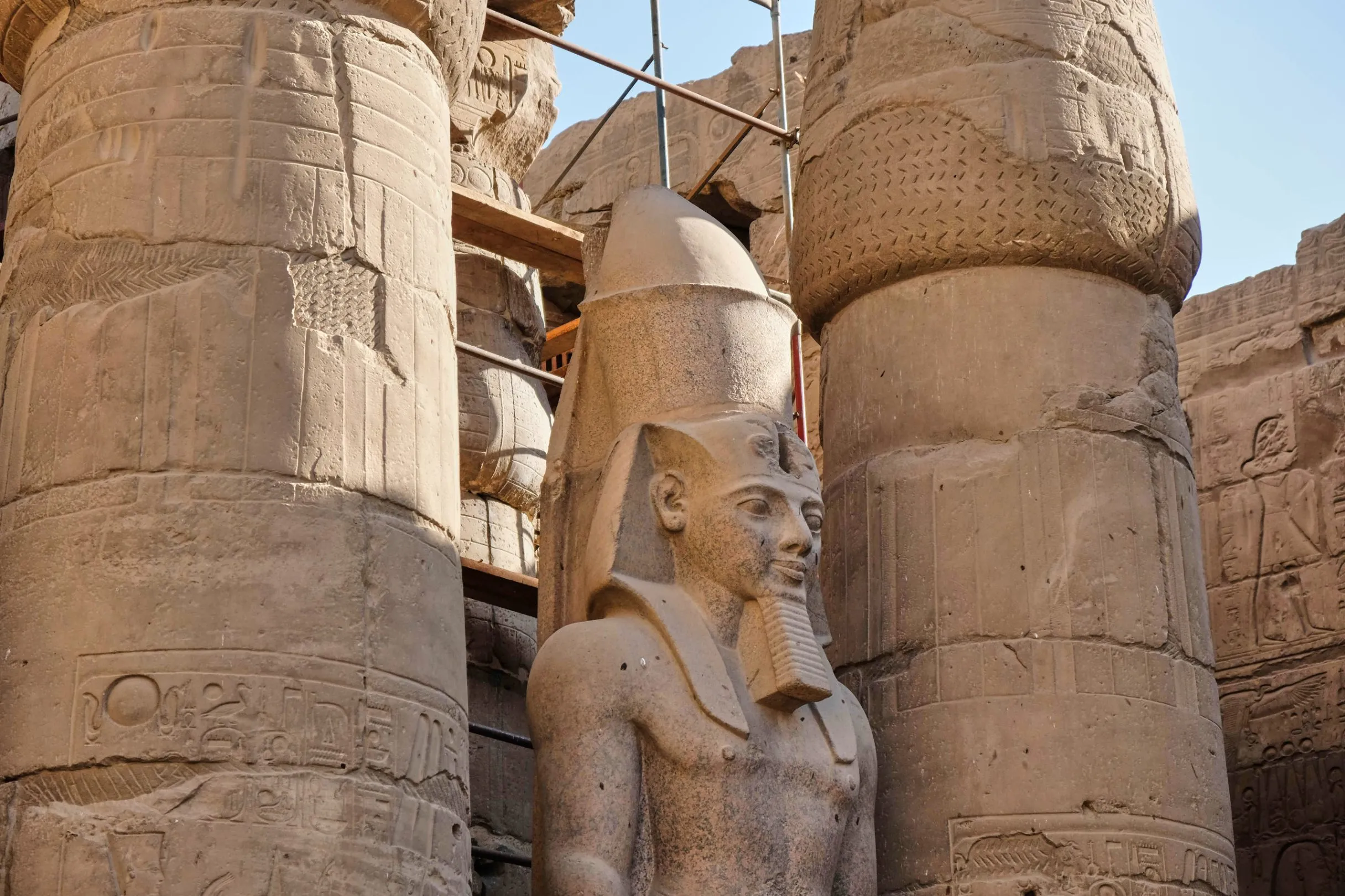
Luxor is home to the largest concentration of ancient burial sites, including those of pharaohs. It also has the largest surviving temple of ancient Egypt — Karnak. There are so many attractions here that you could easily get stuck for a week, spending every day from six in the morning until five in the evening taking in temples, tombs, bas-reliefs, statues, and murals.
But, first of all, not everyone has a week to spare. Second — not everyone wants to spend 300 dollars (300 USD) to visit every single attraction. And third, not everyone needs to: without knowing the context, all these places will start to look the same. That said, the alternative — a one-day tour from Hurghada, rushing through temples and tombs in a crowd — isn't great either. A couple of days in Luxor is the bare minimum. Three or four days is better.
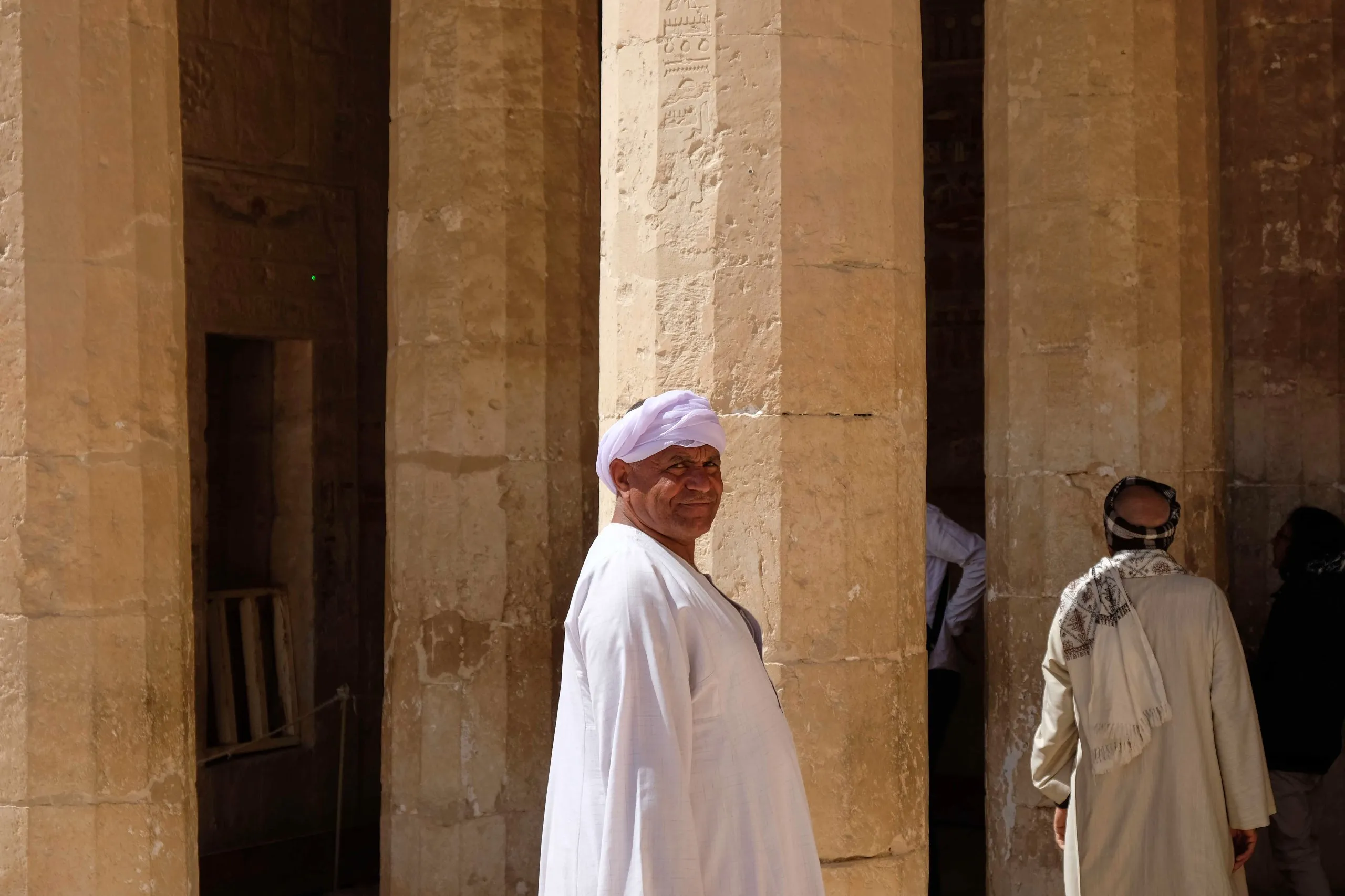
Luxor stretches across both banks of the Nile. Most people live on the east bank (the "City of the Living"), and the city's population is 400,000. That's where you'll find the railway station, bus company ticket offices, a well-maintained embankment, two museums, and two of Egypt's greatest temples rising right out of the unremarkable modern streetscape — Karnak and Luxor Temple. On the west bank (the "City of the Dead") there are several villages and a vast area filled with temples and tombs.
Sights
Tickets
Tickets can be purchased offline at the ticket offices; only card payments are accepted. All tickets are valid only on the day of purchase. Even if you didn't use a ticket, you won't be able to get in with it the following day. That said, if it's not one of the more popular attractions, there likely won't be turnstiles scanning QR codes, and the guards may not notice the ticket has expired. All ticket prices can be found on the official government portal egymonuments.gov.eg.
To visit all sites, you can purchase a Luxor Pass. It is valid for five days from the first use. The Luxor Pass is sold only offline and at two locations: the Valley of the Kings ticket office and Karnak Temple.
There are two types: the standard pass costs $130 (130 USD) and the premium pass costs $250 (250 USD). If you have a physical student ID (even an ISIC card will do) and you are under 30, you get a 50% discount. There is also a 50% discount if you previously purchased a Cairo Pass, and vice versa. The Cairo Pass costs $130 (130 USD), so if you are planning to buy the premium pass, it is more cost-effective to purchase the Cairo Pass first. With the discount applied, the Luxor Pass offers the best value.
To obtain a Luxor Pass you will need a passport-size photo, a copy of your passport, and the passport itself. An important detail: the dates are written into the pass, so you need to plan accordingly.
What is included in the standard Luxor Pass:
Karnak Temple — 600 EGP (11 USD).
Temple of Mut — 200 EGP (3.67 USD).
Luxor Temple — 500 EGP (9.17 USD).
Luxor Museum — 400 EGP (7.34 USD).
Mummification Museum — 220 EGP (4.04 USD).
Valley of the Kings — 750 EGP (13.8 USD) for three tombs, or all 18 with the pass.
Tomb of Tutankhamun — 700 EGP (12.8 USD).
Tomb of Ramesses V and VI — 220 EGP (4.04 USD).
Valley of the Queens — 220 EGP (4.04 USD).
Temple of Hatshepsut — 440 EGP (8.07 USD).
Assasif Tombs — 200 EGP (3.67 USD).
Tomb of Pabes — 50 EGP (0.92 USD).
Temple of Medinet Habu — 220 EGP (4.04 USD).
Ramesseum — 220 EGP (4.04 USD).
Deir el-Medina necropolis and workers' village — 220 EGP (4.04 USD).
Tomb of Pashedu — 120 EGP (2.2 USD).
Tombs of the Nobles — 12 tombs for 780 EGP (14.3 USD).
Temple of Merneptah — 100 EGP (1.83 USD).
Carter's House and replica of Tutankhamun's tomb — 220 EGP (4.04 USD).
Qurnet Murai necropolis — 120 EGP (2.2 USD).
Temple of Isis at Deir Shelvit — 100 EGP (1.83 USD).
Temple of Sety I — 220 EGP (4.04 USD).
Tombs of Dra Abu el-Naga North and South — 120 EGP (2.2 USD).
In other words, tickets to all sites add up to: 10,090 EGP (185.1 USD = 185.1 USD). The Luxor Pass saves you at most $60 compared to buying tickets individually.
The premium Luxor Pass adds the two most expensive attractions: the Tomb of Nefertari — 2,500 EGP (45.9 USD) and the Tomb of Seti I — 2,000 EGP (36.7 USD), as well as unlimited entry to all sites except the Tomb of Nefertari. You may only enter the Tomb of Nefertari for ten minutes and just once per day. It is also frequently closed to visitors, so be sure to check this before purchasing the premium pass. As of Augudst 2026, it is open but in April of that year it was closed for renovations.
Both sites together cost 4,500 EGP (82.6 USD = 82.6 USD). That does not even cover the price difference between the standard and premium Luxor Pass. So the premium pass only makes sense if the Tomb of Nefertari is open and you plan to visit at least one of the tombs more than once. For now, with only the Tomb of Seti I open, the most cost-effective option is to buy the standard Luxor Pass and a separate ticket to Seti I.
"The City of the Living"
Luxor Temple (1400 BC) is dedicated to the supreme god Amun-Ra. During the Hellenistic period it housed a sanctuary of Alexander the Great, and during the Roman era a chapel and church were added. Excavations of the temple only began in 1884.
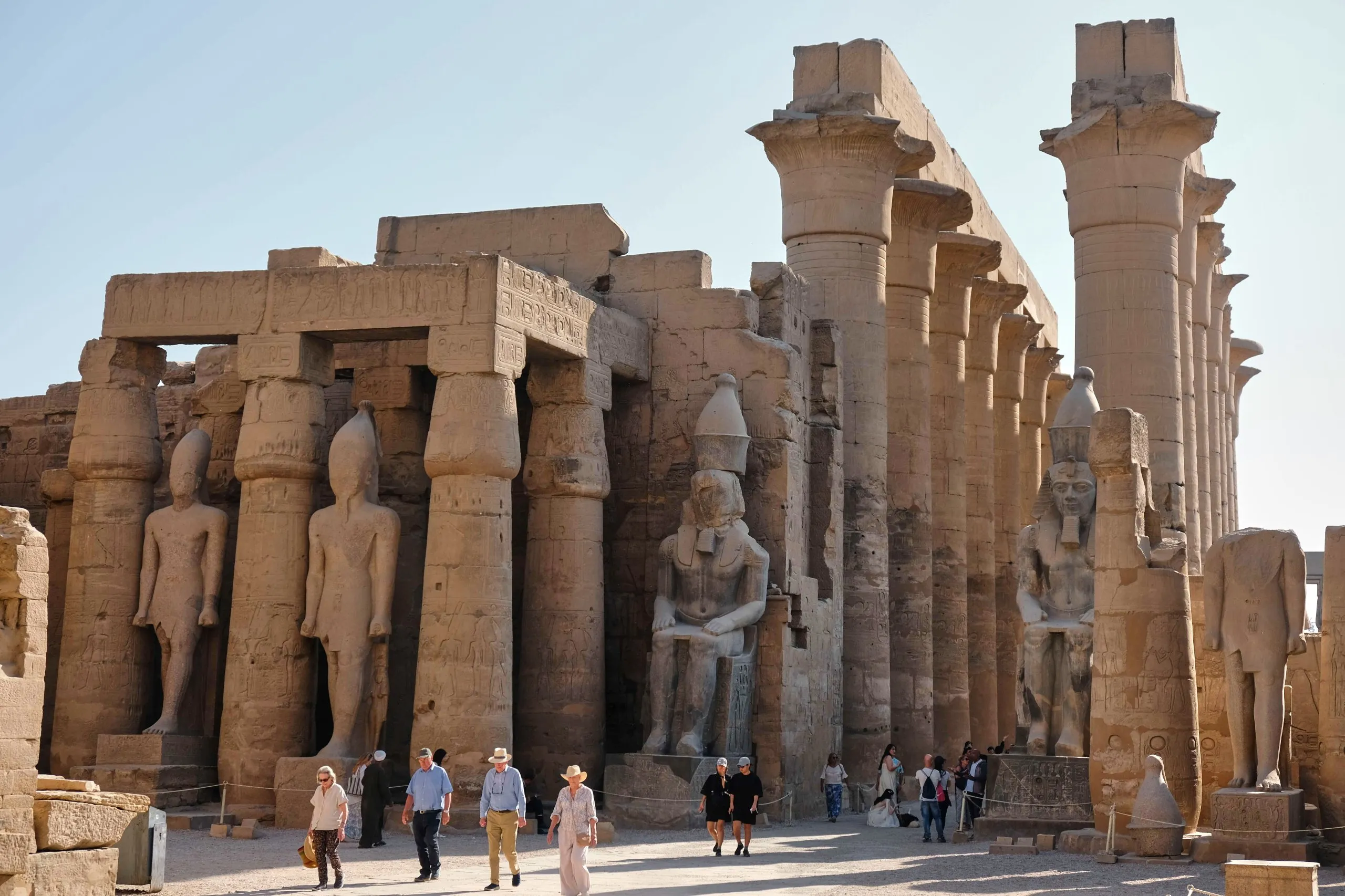
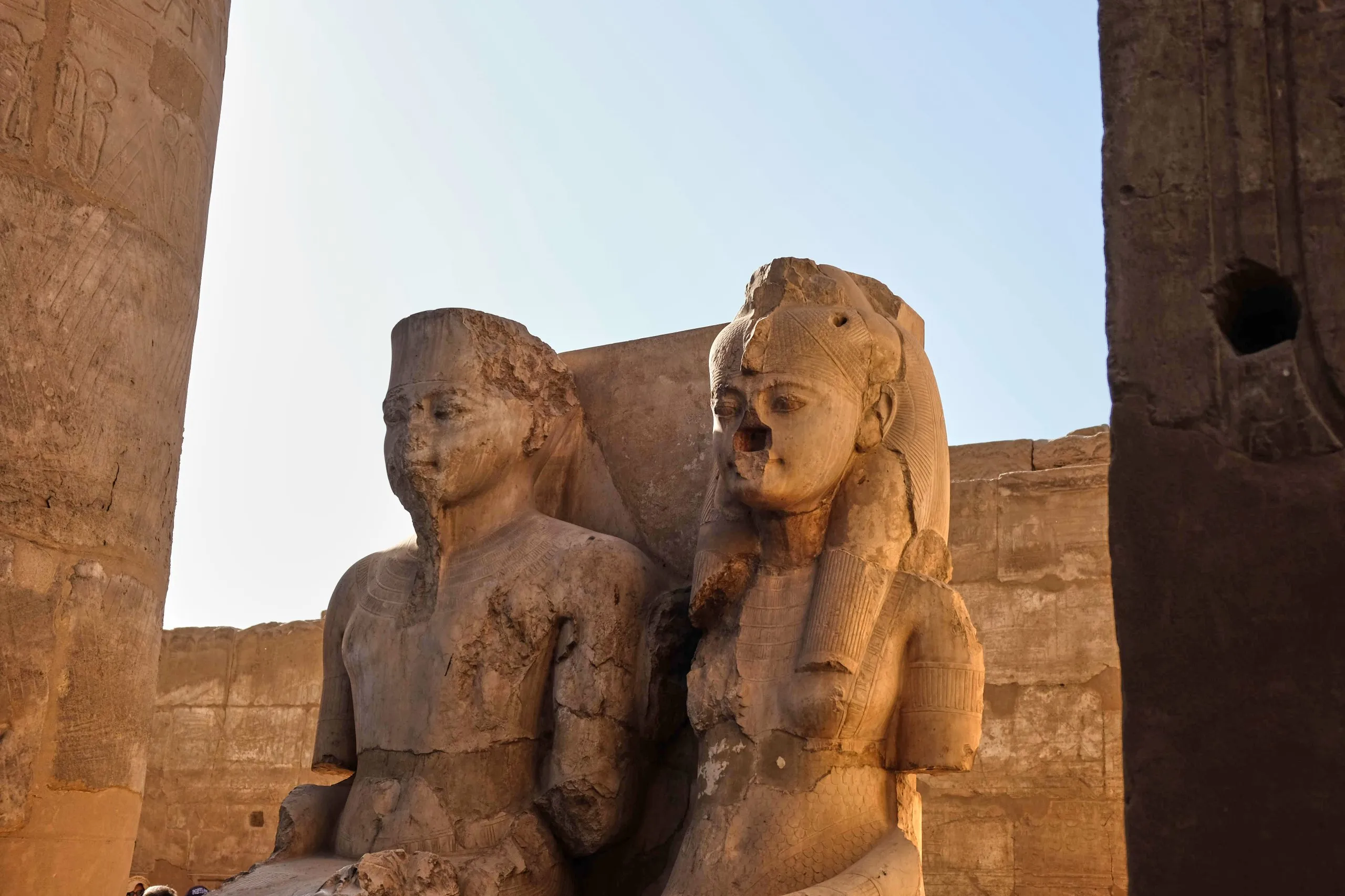
Karnak Temple (around the 20th century BC) is the largest ancient complex in Egypt. It comprises three temples: one dedicated to Amun-Ra, the second to his consort Mut, and the third to their son Khonsu.
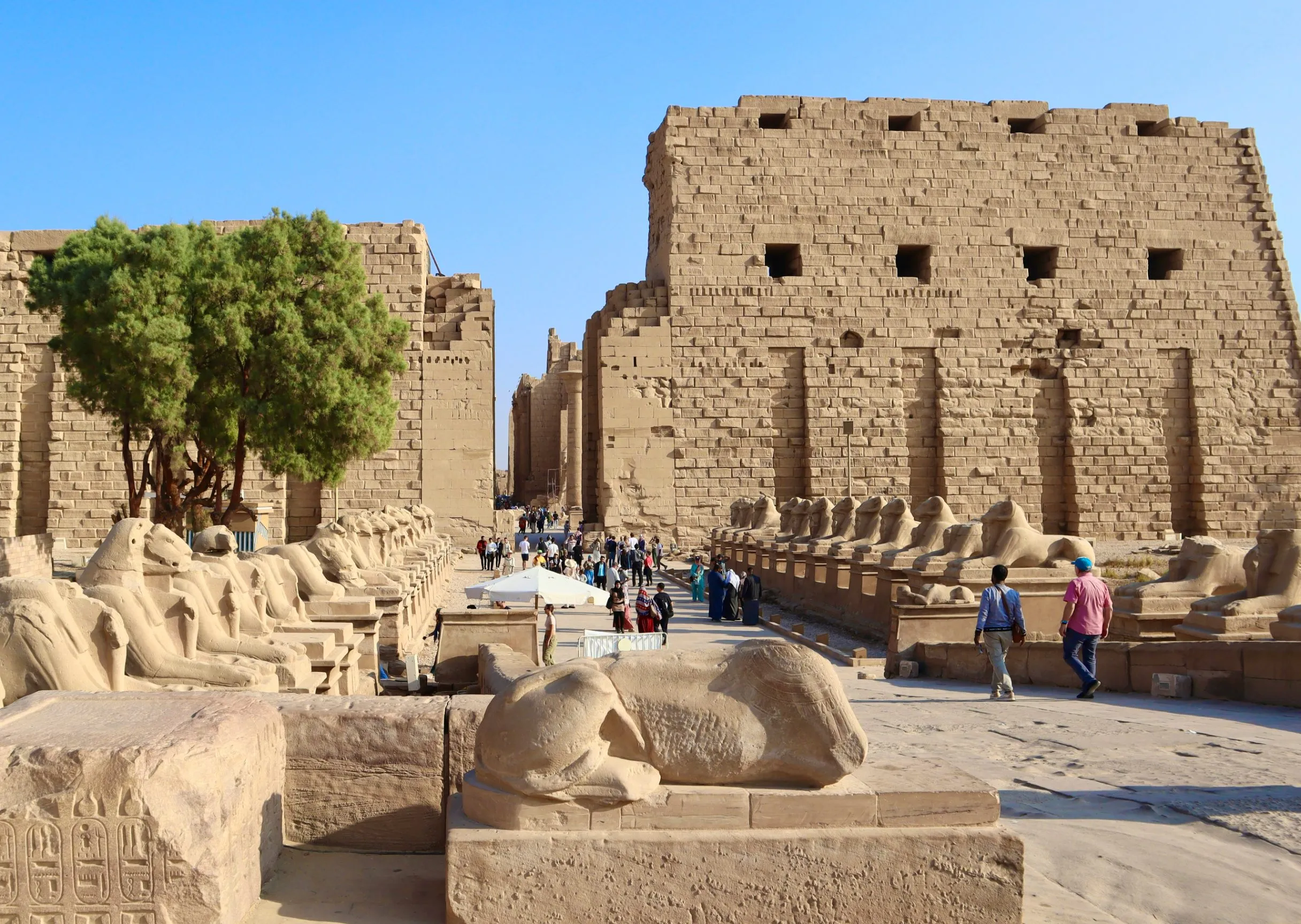
Karnak and Luxor Temples are connected by a road two and a half kilometres long, lined along its entire length with sphinx statues. You cannot walk between both sections without interruption, even if you buy tickets to both temples in advance. The temples are monumental: with columns, paintings (some still in colour), highly detailed bas-reliefs, dozens of statues, and later Christian additions.
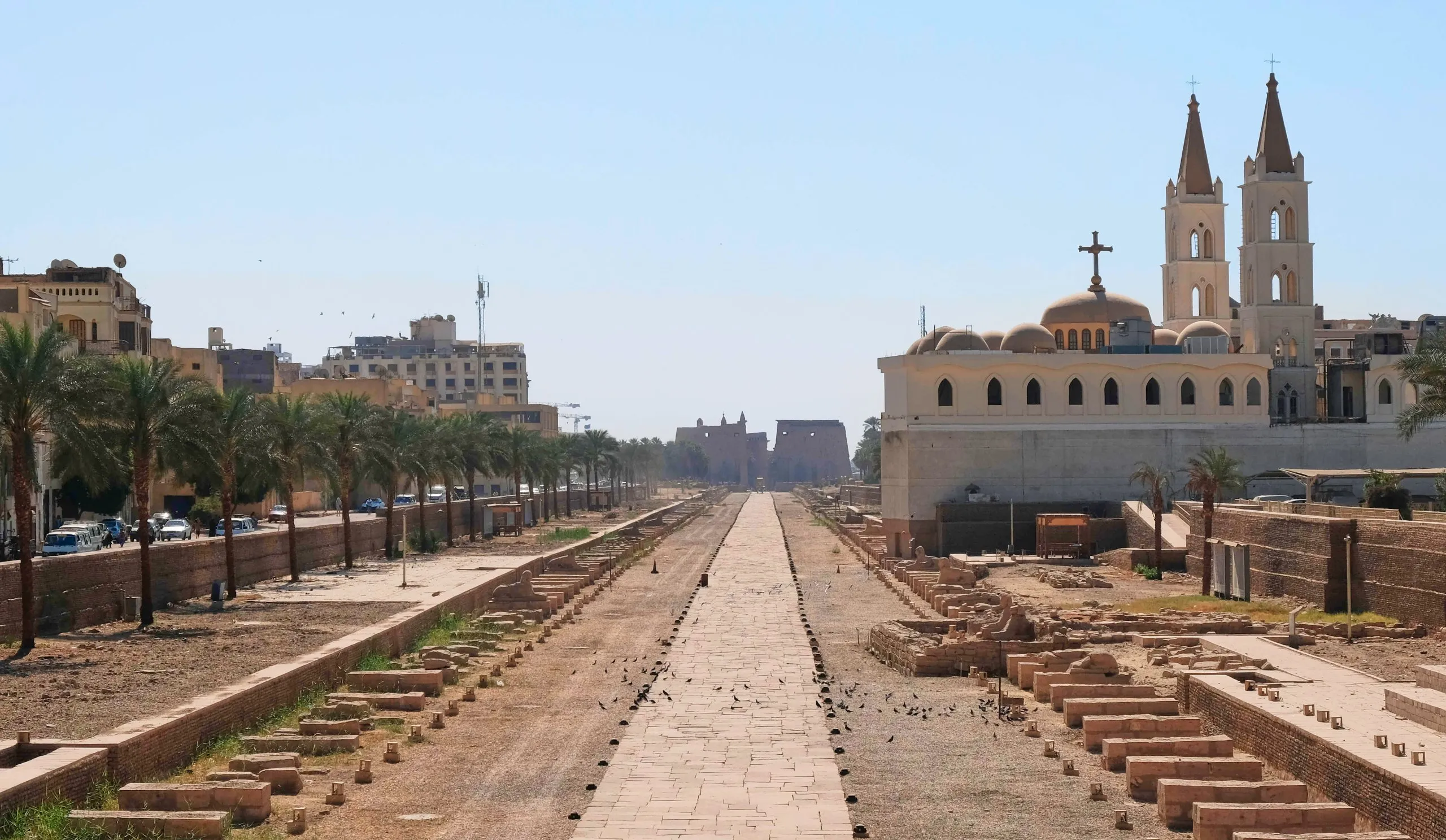
Even a brief visit requires a minimum of a couple of hours at each temple. Luxor Temple is open until 20:00, unlike Karnak (which closes at 17:00), so you can catch the soft pre-sunset light there. A ticket to Luxor Temple costs 500 pounds (9.17 USD), and to Karnak — 600 (11 USD).
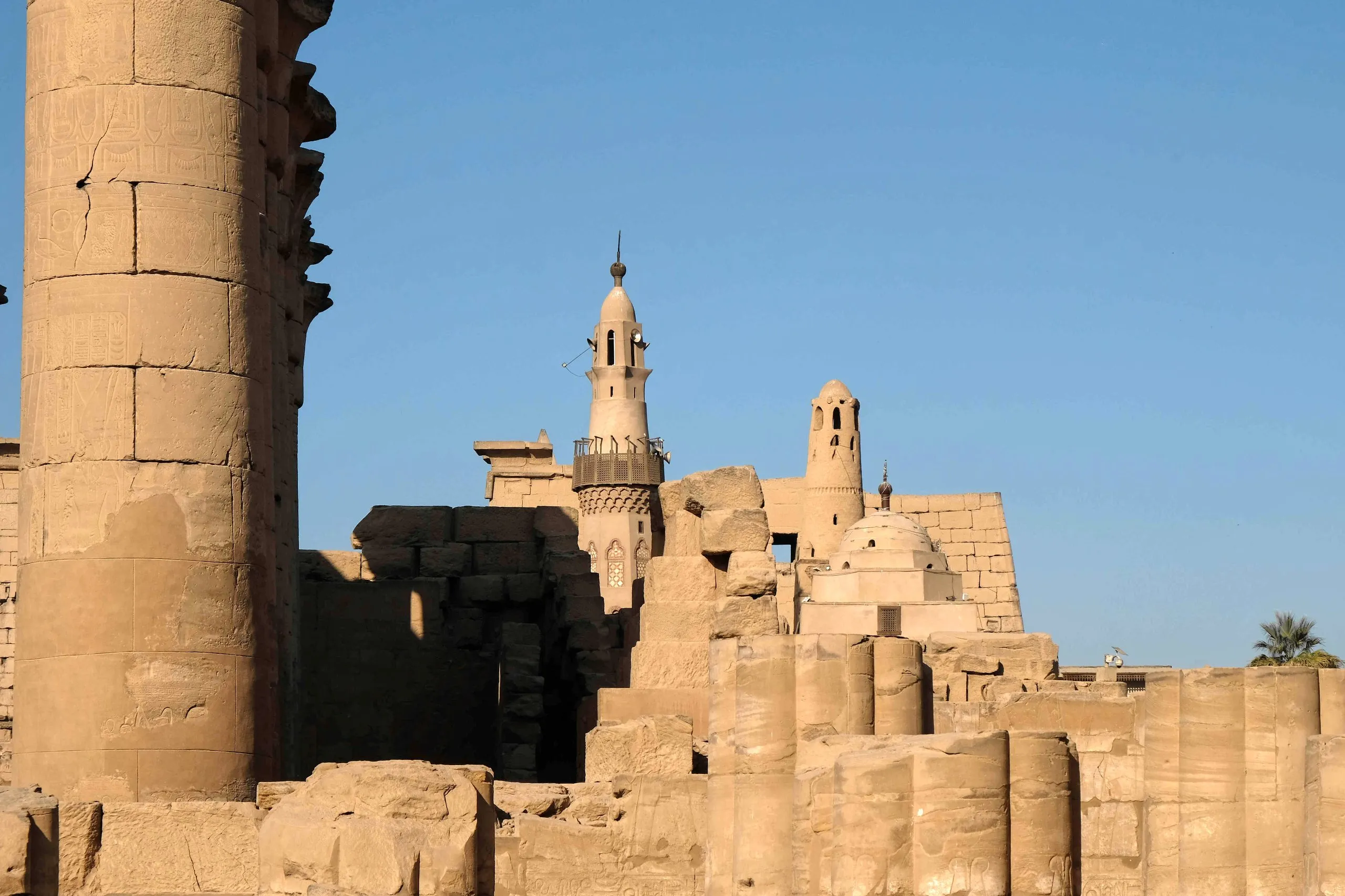
Abu Haggag Mosque was built partly within the grounds of Luxor Temple in the 13th century AD. Inside is the tomb of Sheikh Yusuf Abu Haggag.
On the east side of the city there is also the Luxor Museum (artefacts of ancient Egypt) and the Mummification Museum (self-explanatory from the name). If you are travelling to Cairo, there is little point in visiting these — even the old Cairo Museum has more antiquities than both Luxor museums combined, and the new Grand Egyptian Museum in Giza is overwhelming in comparison. If you are not going to Cairo, it is worth visiting both. A ticket to the Luxor Museum costs 400 pounds (7.34 USD), and to the Mummification Museum — 220 pounds (4.04 USD).
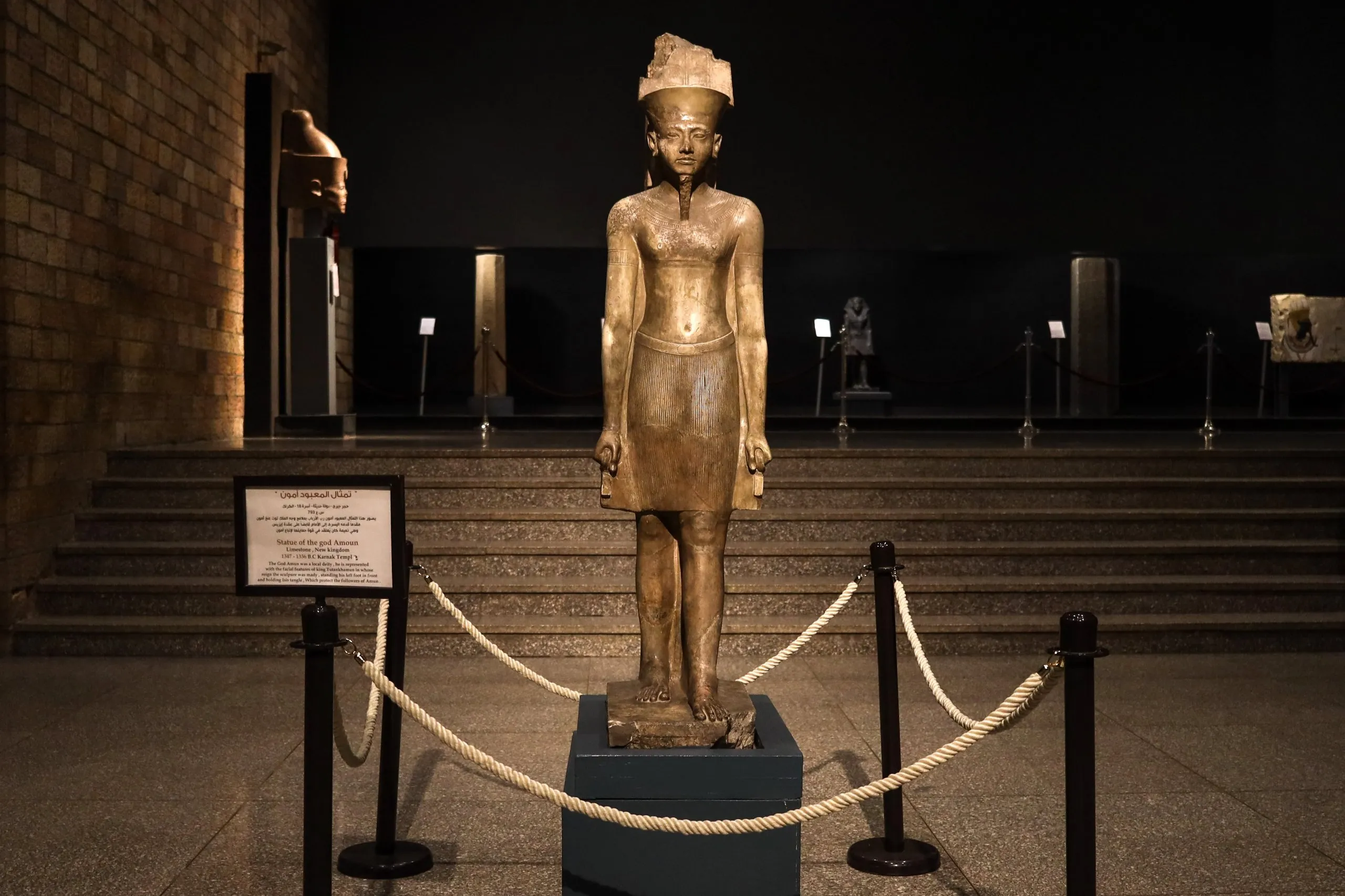
The city itself, of course, is overshadowed by its great ancient monuments. But there is a fair amount of pleasant architecture, Christian churches, Coptic quarters, sunsets over the Nile, and the colourful everyday life of Egyptians.
Aboudi Bookstore is an excellent shop with books on Egypt. The selection here is no smaller than in the large bookshops of Cairo. There are also quite a few second-hand editions.
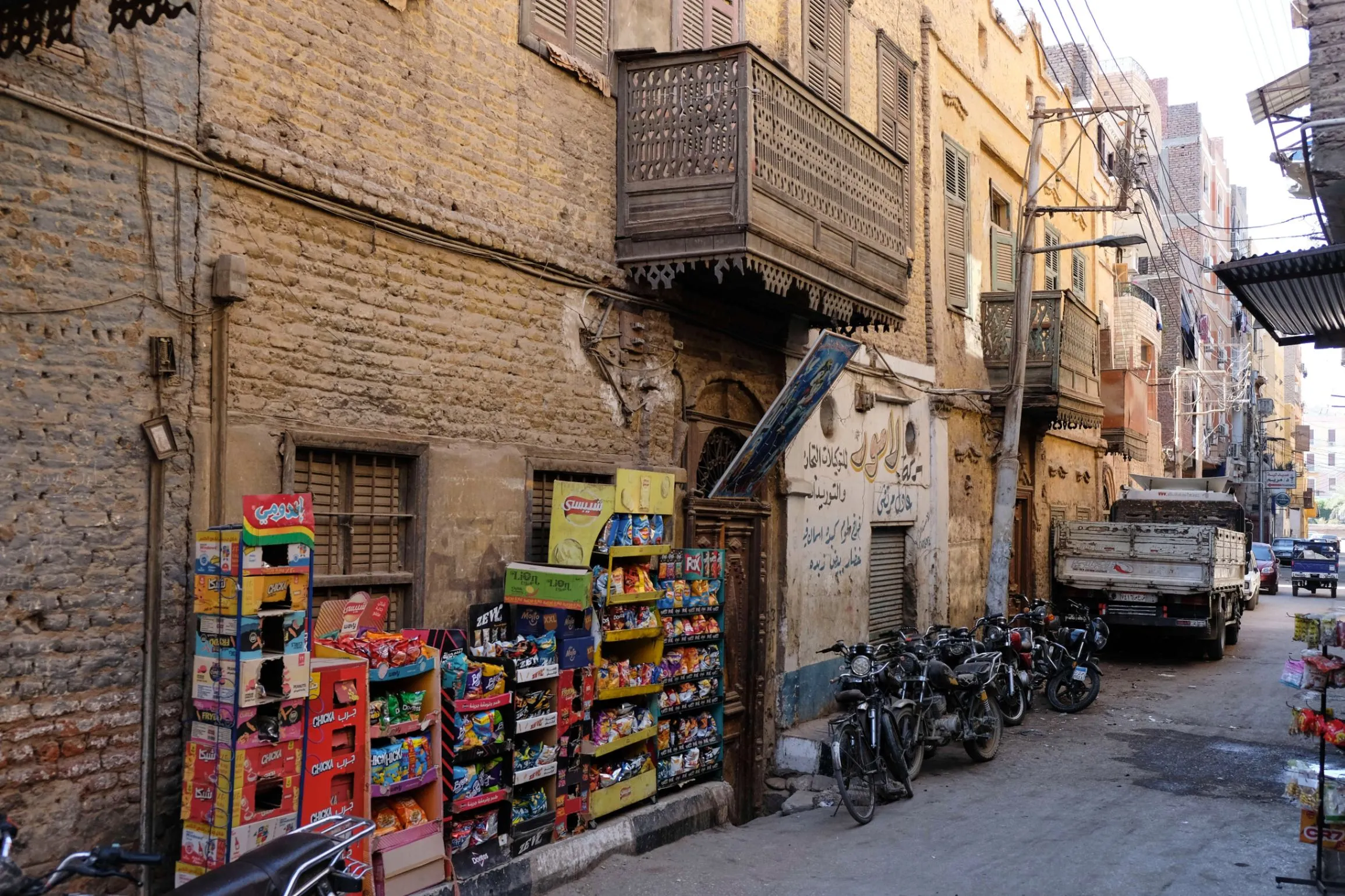
'City of the Dead'
The west bank — the 'City of the Dead' — also has temples, though smaller ones, as well as hundreds of tombs. They are fairly similar to one another, and it's hard to figure out which ones are worth visiting and which aren't. There's also an annoying ticketing system: tickets are sold in one place (not all of them) and far from the actual sites. If you don't buy a ticket there first, you won't be able to get one on the spot. So it's important to know in advance what you want to see. Another thing to note: if you don't use your ticket, it's no longer valid the next day.
What to see in the 'City of the Dead' if you have two days:
Day 1
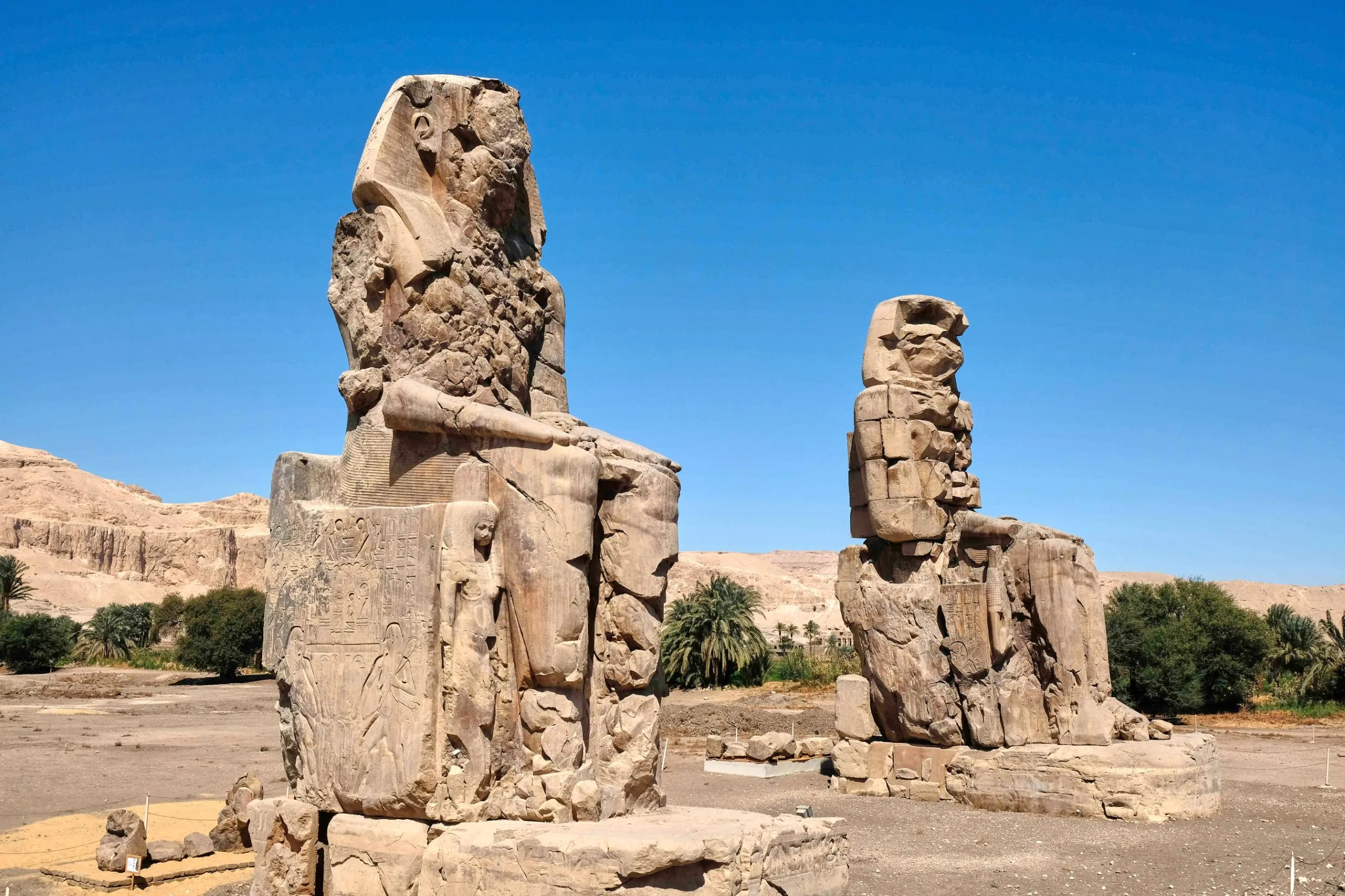
The Colossi of Memnon — a free attraction, but an impressive one, even if surrounded by crowds of tourists.
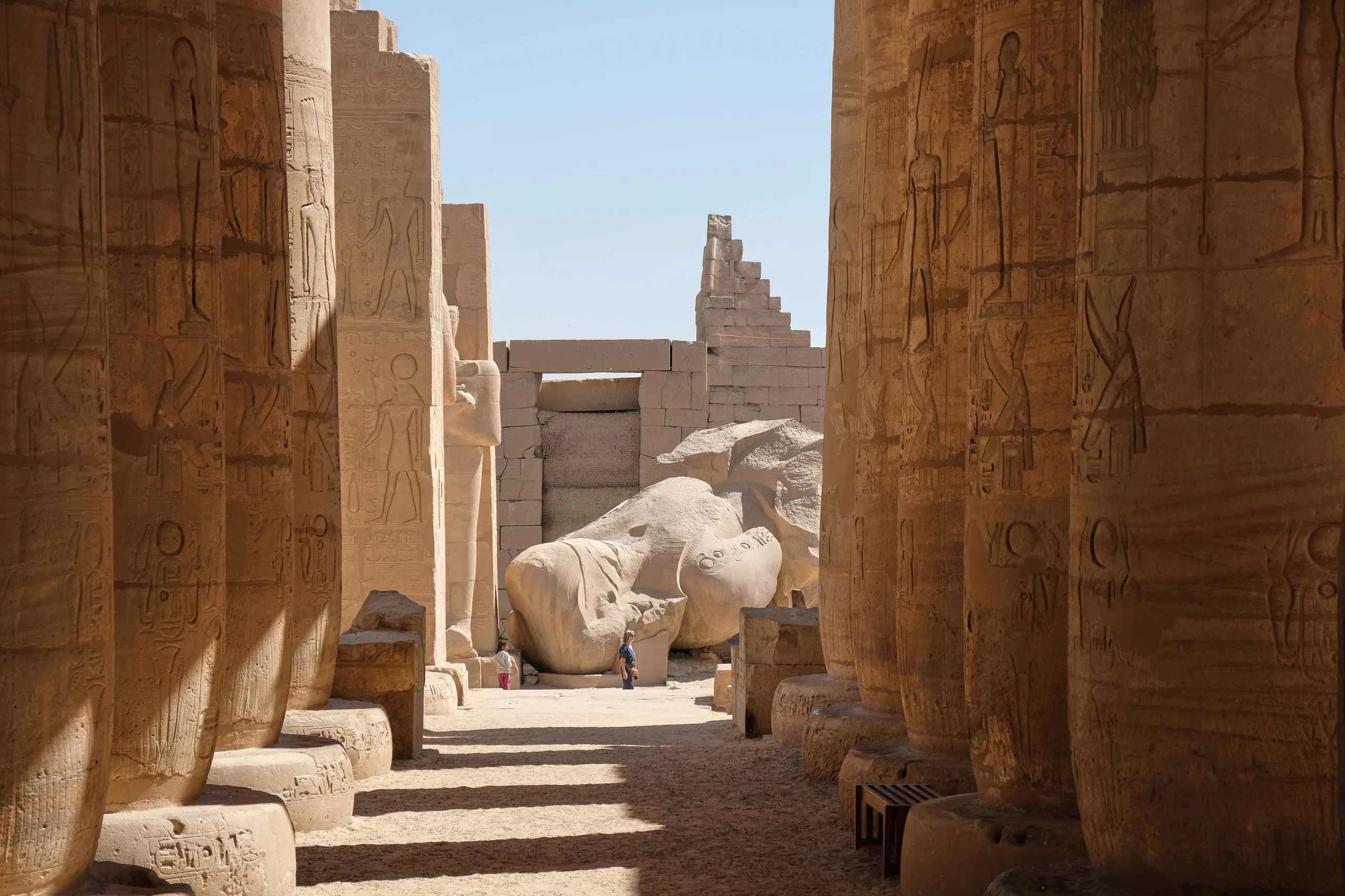
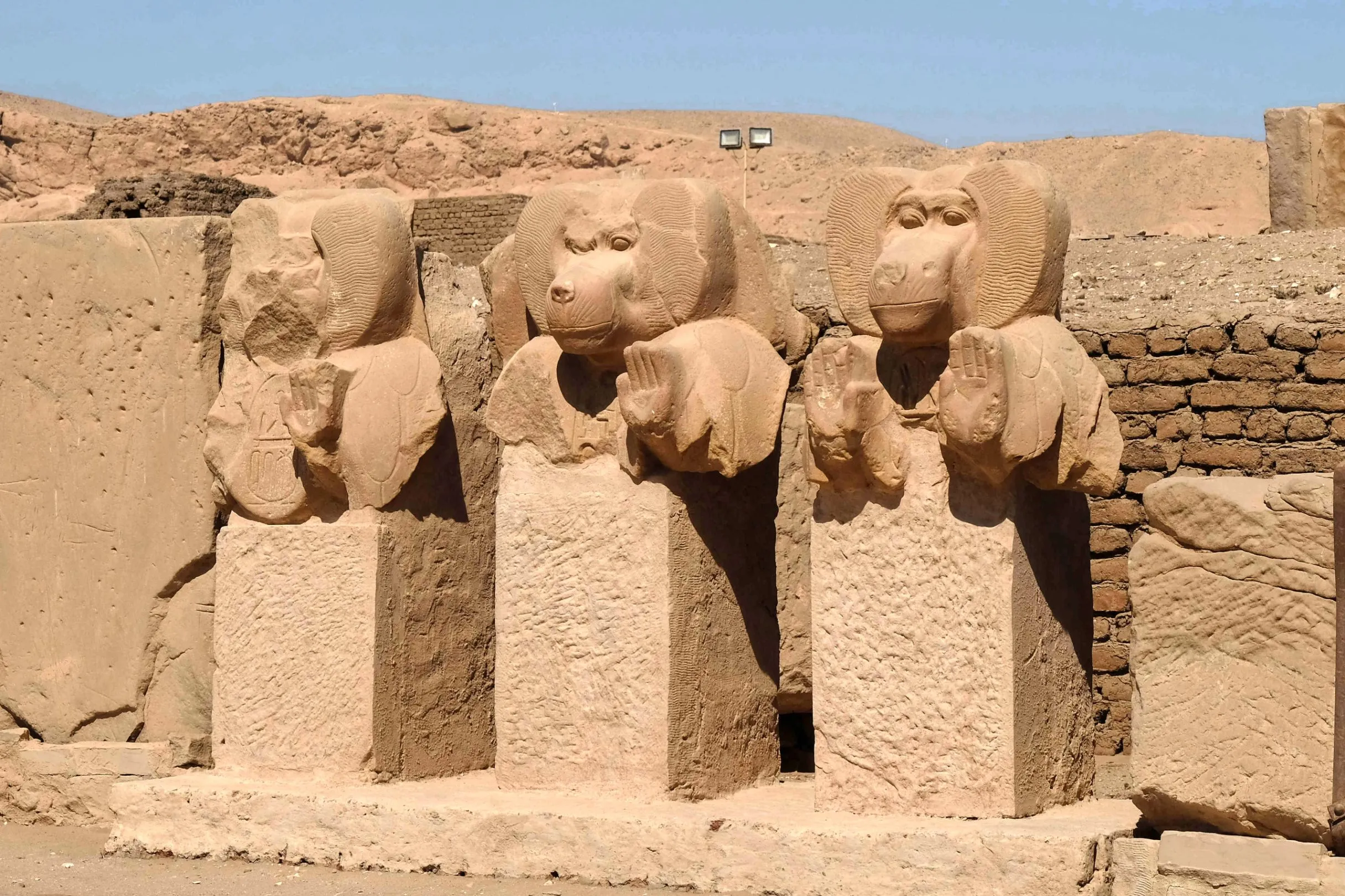
The Ramesseum — the temple of Ramesses II, where the most striking feature is a huge fallen statue. On a lighter note, there are also three monkey statues. Ticket: 220 EGP (4.04 USD).
The Valley of the Nobles is a cluster of several dozen tombs that organized tour groups don't visit. This is where the architects who built the pharaohs' tombs, scribes, treasurers, and military officials lived and were buried. The tombs are not as large or grand as those in the Valley of the Kings or the Valley of the Queens. There's also a pleasant sense of being an explorer, and you can linger over the paintings and bas-reliefs without anyone getting in your way. Tickets to the tombs are purchased separately — some cover just one site, others include three or four.
Here are the tombs included in the Valley of the Nobles:
Tomb of Vizier Rekhmire (N100, Rekhmire) — impressive scale; tomb of the city mayor Sennefer (TT96, Sennefer) — a deep descent underground. Ticket: 120 EGP (2.2 USD).
Tomb of Menna (TT69, Menna) — well-restored, with vivid paintings; tomb of the scribe and astronomer Nakht (TT52, Nakht) — also museumified, but rather pointlessly, and can be skipped. Ticket: 200 EGP (3.67 USD).
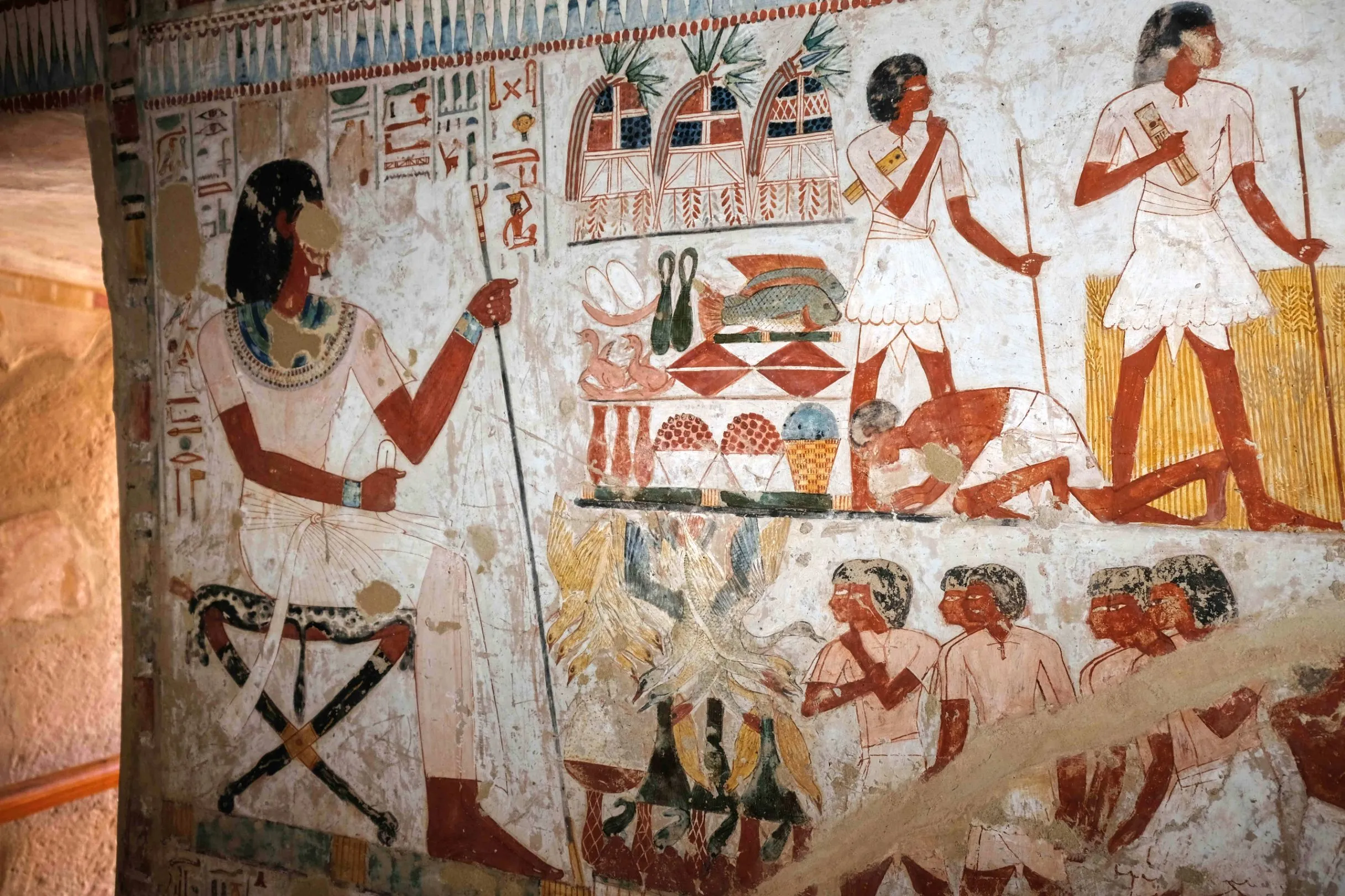
Tomb of the scribe Khaemhat (TT57, Khaemhat) — excellent bas-reliefs; tomb of the scribe Userhat (TT56, Userhat) — vivid colours; tomb of the prophet Khonsu (TT31, Khonsu) — poorly preserved; tomb of Benia (TT343, Benia) — three coloured sculptures. Ticket: 120 EGP (2.2 USD).
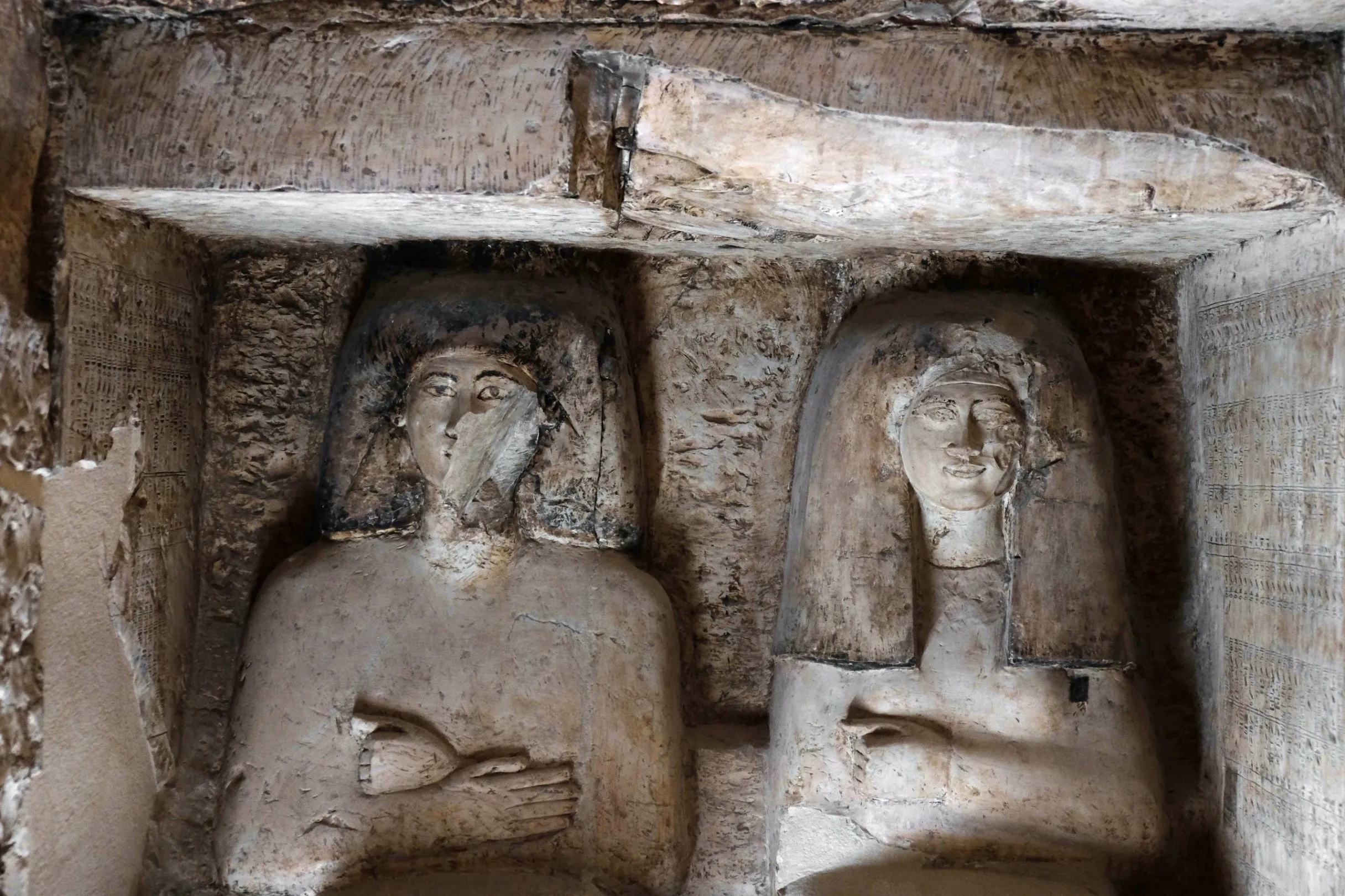
Tomb of Vizier Ramose (TT55, Ramose) — an interesting example of restoration. Ticket: 200 EGP (3.67 USD).
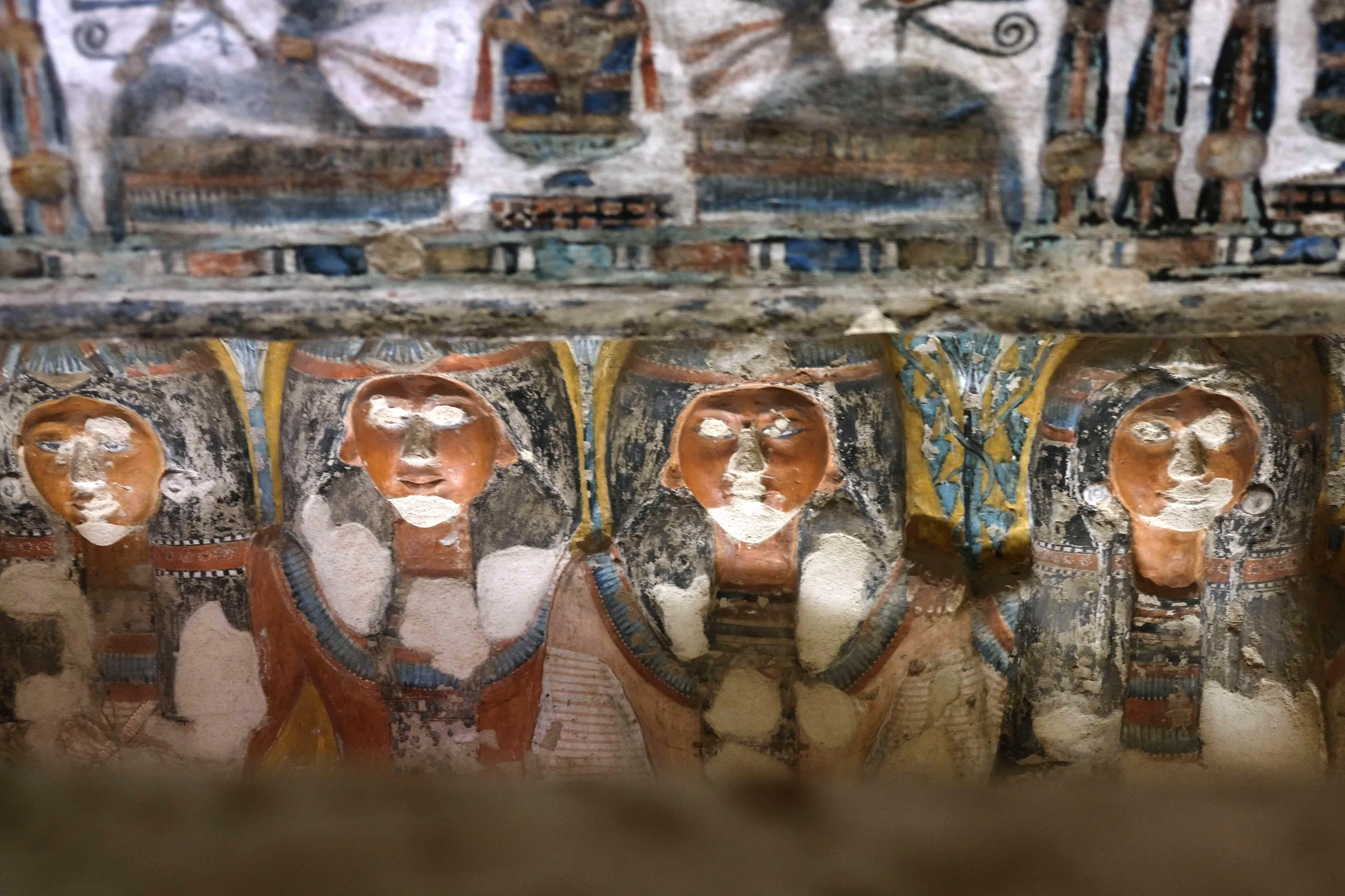
Dhutmosi (TT295) — painted, with statues; tomb of the scribe Neferronpet (T178, Neferronpet) — four painted female figures; tomb of the scribe Nefersekheru (TT296, Nefersekheru) — can be skipped. These three tombs are known as Al Khokha. Ticket: 120 EGP (2.2 USD).
There are no combination tickets for this valley. That means visiting all 12 tombs requires buying five separate tickets at a combined cost of 780 EGP (14.3 USD).
Temple of Merneptah — 100 EGP (1.83 USD) — only meagre foundations remain, and it's not worth your time. There are, however, two large statues nearby that can be viewed for free.
Day 2
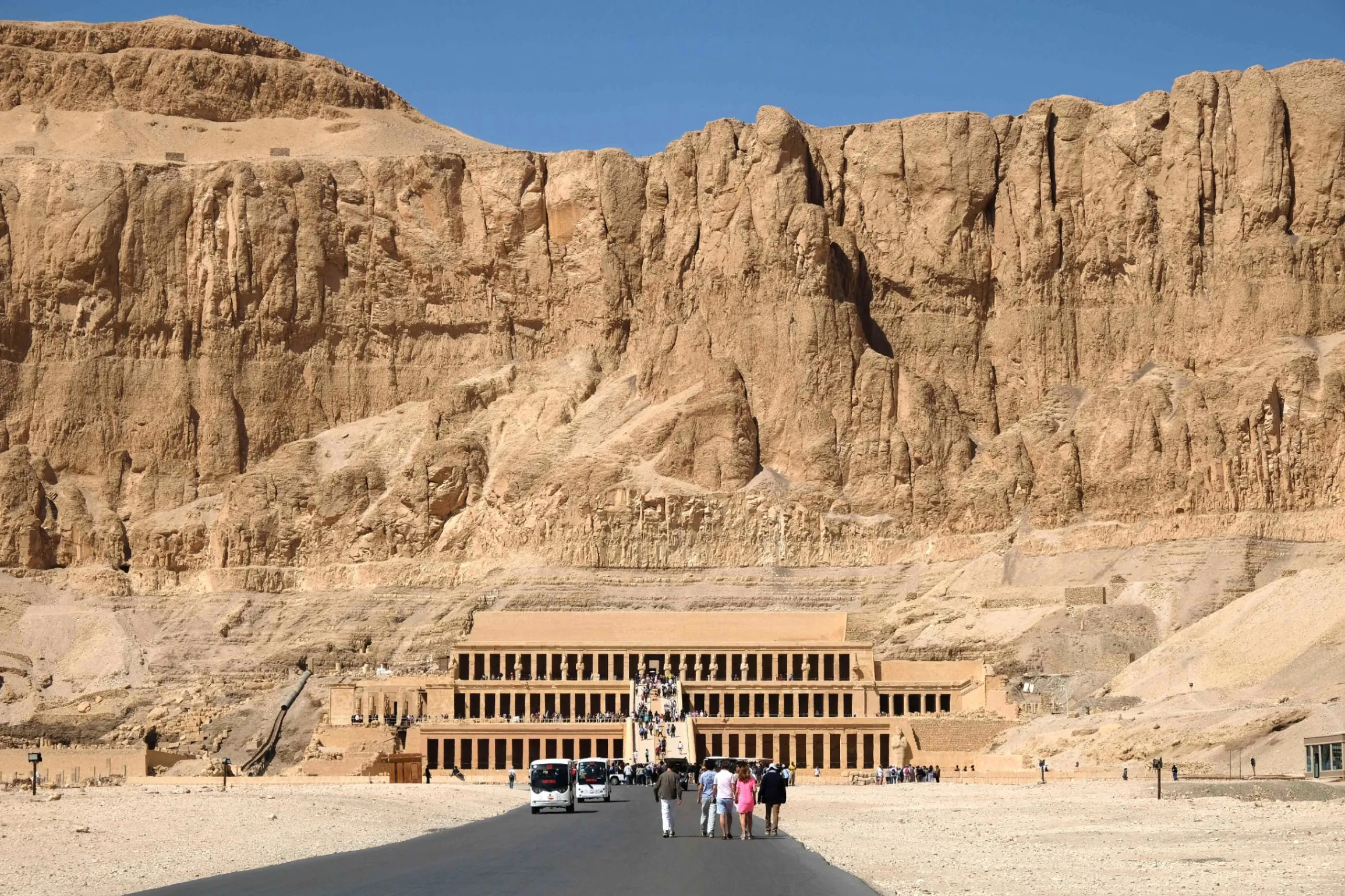
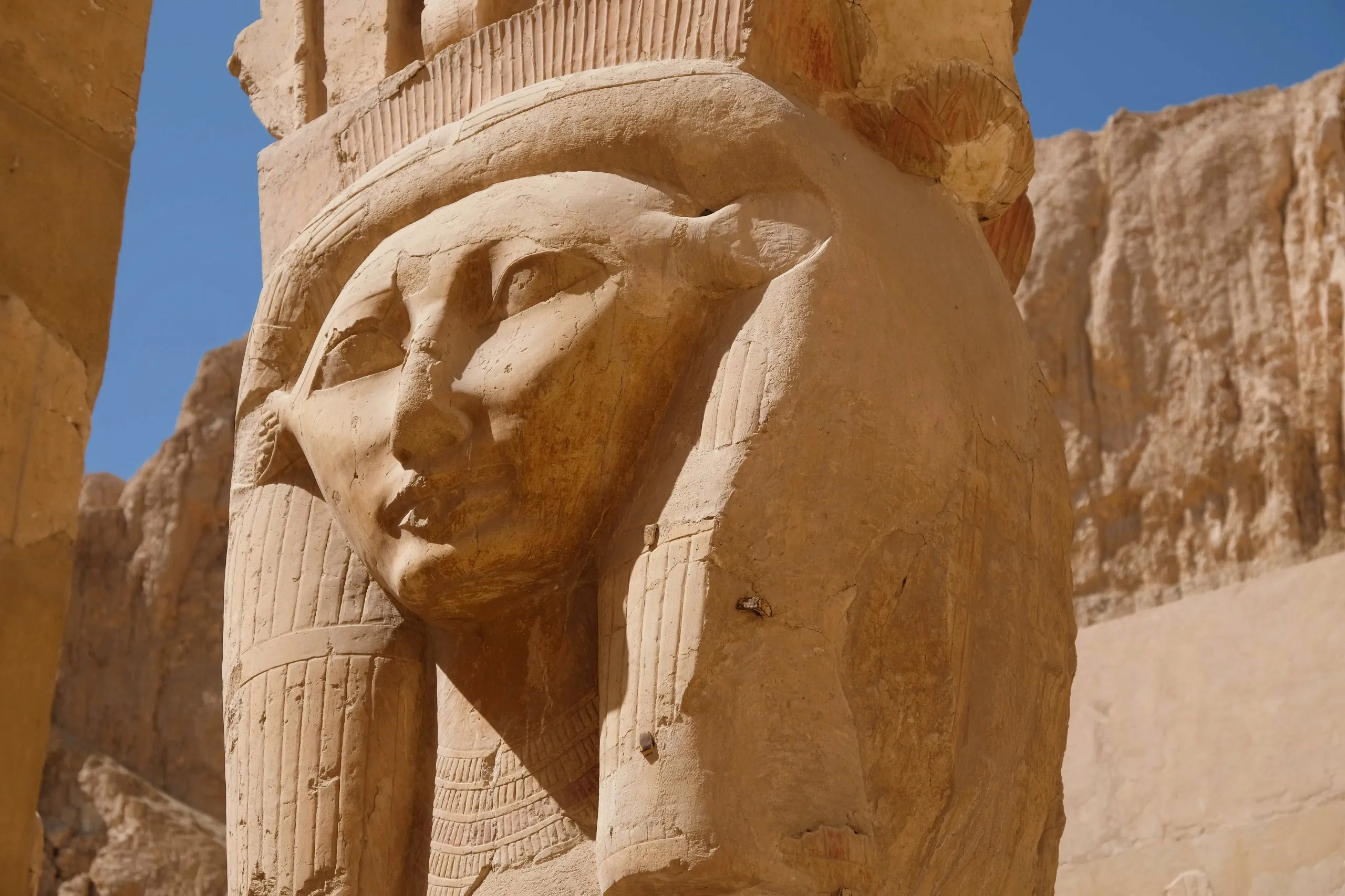
Temple of Hatshepsut — a vast temple packed with tourists, somewhat resembling a modernist cultural centre built into the cliffside. Ticket: 440 EGP (8.07 USD). Nearby are two tombs: Asasif — 200 EGP (3.67 USD) and Pabasa — 50 (0.92 USD). You can give those a miss.
The Valley of the Kings — burials of pharaohs, many of which are still being studied and are therefore closed to visitors. There are 18 tombs currently open to tourists:
Ay / Amenhotep II / Mentuherkhepeshef / Merneptah / Ramesses I / Ramesses III / Ramesses IV / Ramesses V and VI / Ramesses VII / Ramesses IX / Seti I / Seti II / Siptah / Tausert and Setnakht / Tutankhamun / Thutmose III / Thutmose IV / Horemheb
A ticket costing 750 pounds (13.8 USD) allows you to visit only three tombs of your choice (excluding Tutankhamun and Ramesses V and VI, which require separate tickets). If you want another three, you need to buy a second ticket, and so on. In other words, to visit all the tombs without a Luxor Pass you would need to buy five tickets at 750 pounds each — 3,750 pounds (68.8 USD) plus 700 pounds (12.8 USD) for the tomb of Tutankhamun and 220 pounds (4.04 USD) for Ramesses V and VI. Total: 4,670 pounds (85.7 USD).
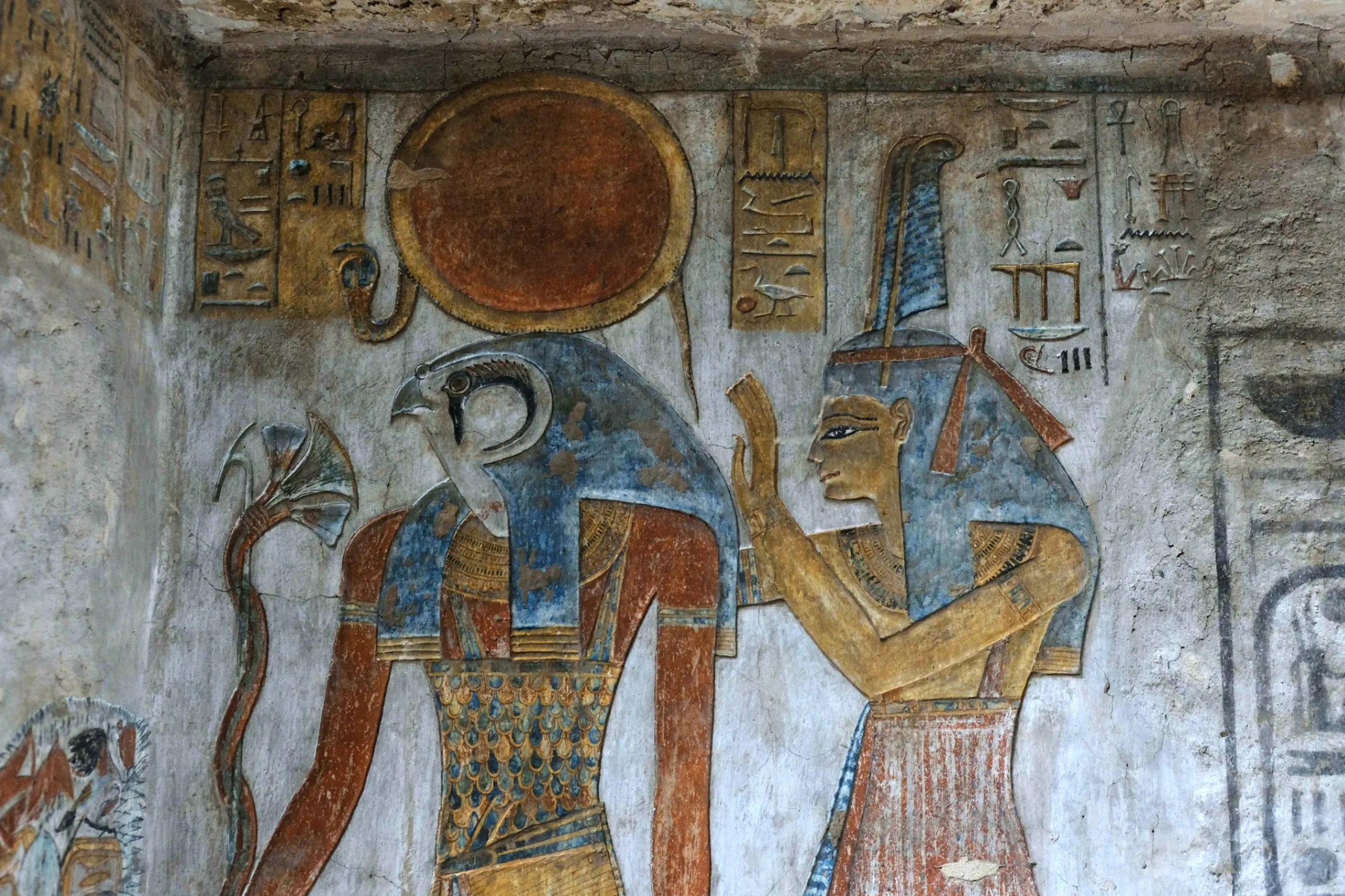
At first glance all the tombs look alike — you descend somewhere, surrounded by bas-reliefs and paintings, statues and sarcophagi. Some tombs are naturally less impressive than others, and it would be a shame to use up three of your allotted entries on them, especially since you really can't tell from the outside how large or richly decorated a tomb is on the inside. I looked them all up online and picked what seemed to me the most interesting ones:
Ramesses III (KV11, Ramesses III) — large, brightly coloured statues.
Ramesses V and VI (KV9, Ramesses V, VI) — great coloured bas-reliefs and two sarcophagi; not included in the standard ticket, sold separately for 220 pounds (4.04 USD).
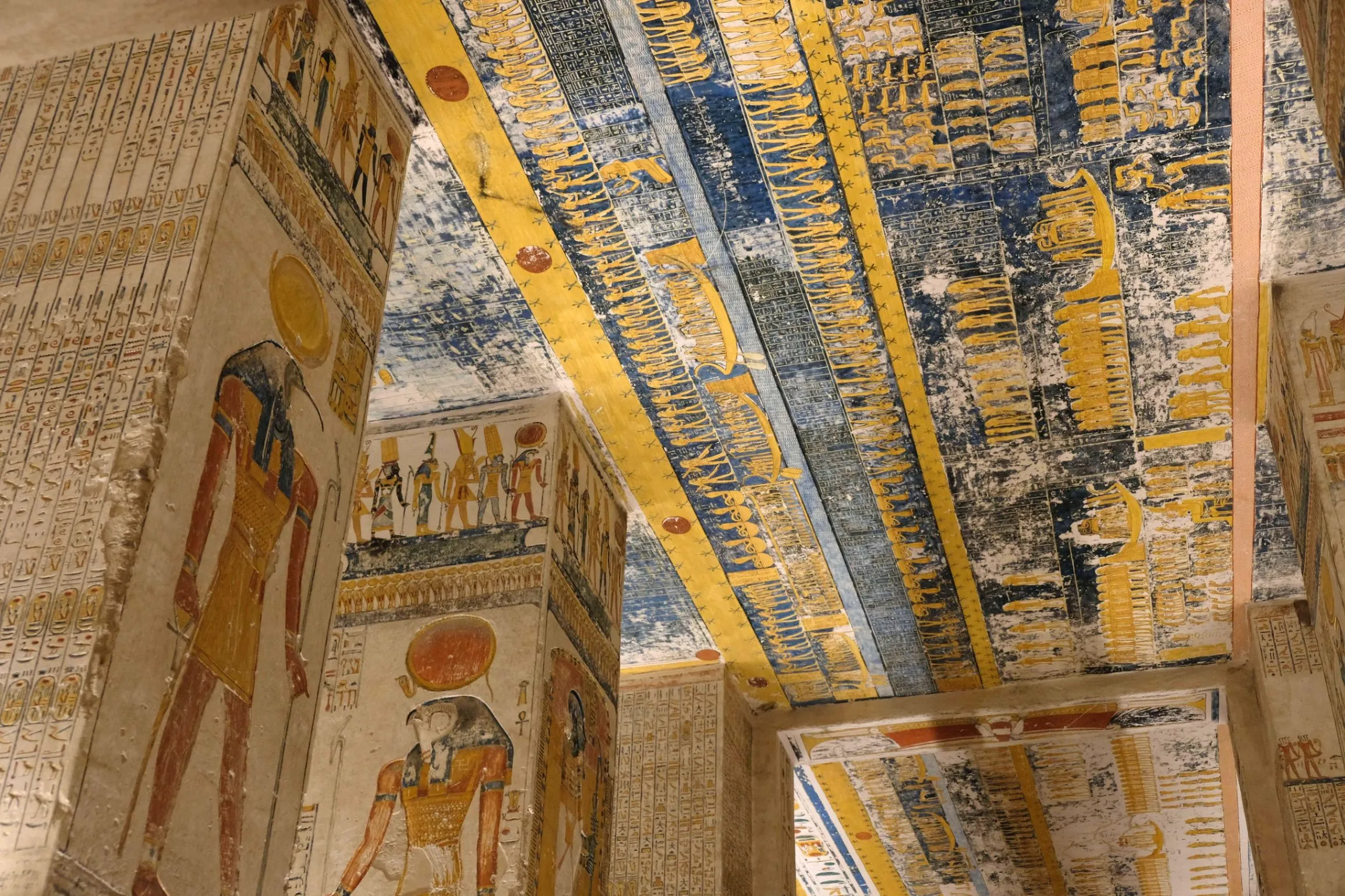
Ramesses IX (KV6, Ramesses IX) — the last burial made in the Valley.
Ramesses XI (KV4, Ramesses XI) — the bas-reliefs are unpainted, but after all the colour sometimes you find yourself wanting something monochrome. This is the last tomb to have been opened in the Valley.
Merneptah (KV8, Merneptah) — a deep descent, sparse paintings, but an impressive sarcophagus.
Tausert and Setnaht (KV14, Tausert and Setnaht) — half unfinished, which is actually the point of interest, and there is a large sarcophagus.
These, on the other hand, I would not recommend:
Siptah (KV47, Siptah) — the walls are covered by glass. And this is not the only tomb with glass barriers — for me that was a clear sign to skip such tombs.
Tutankhamun (KV62, Tutankhamon) — the decoration of the tomb is more modest than many others, and it seems the name alone is what draws people here. Not included in the standard ticket, sold separately for 700 pounds (12.8 USD).
Seti I (KV17, Seti I) — the most vividly painted of all, though whether it is worth 2,200 pounds (40.4 USD) is up to you. I felt it wasn't.
It is best to arrive at the Valley of the Kings after 12:00, when the large tour buses start to leave. Even then it will still be crowded. If you want to visit all the tombs, plan for at least two days. A handy list of tombs is available on the website madainproject.com.
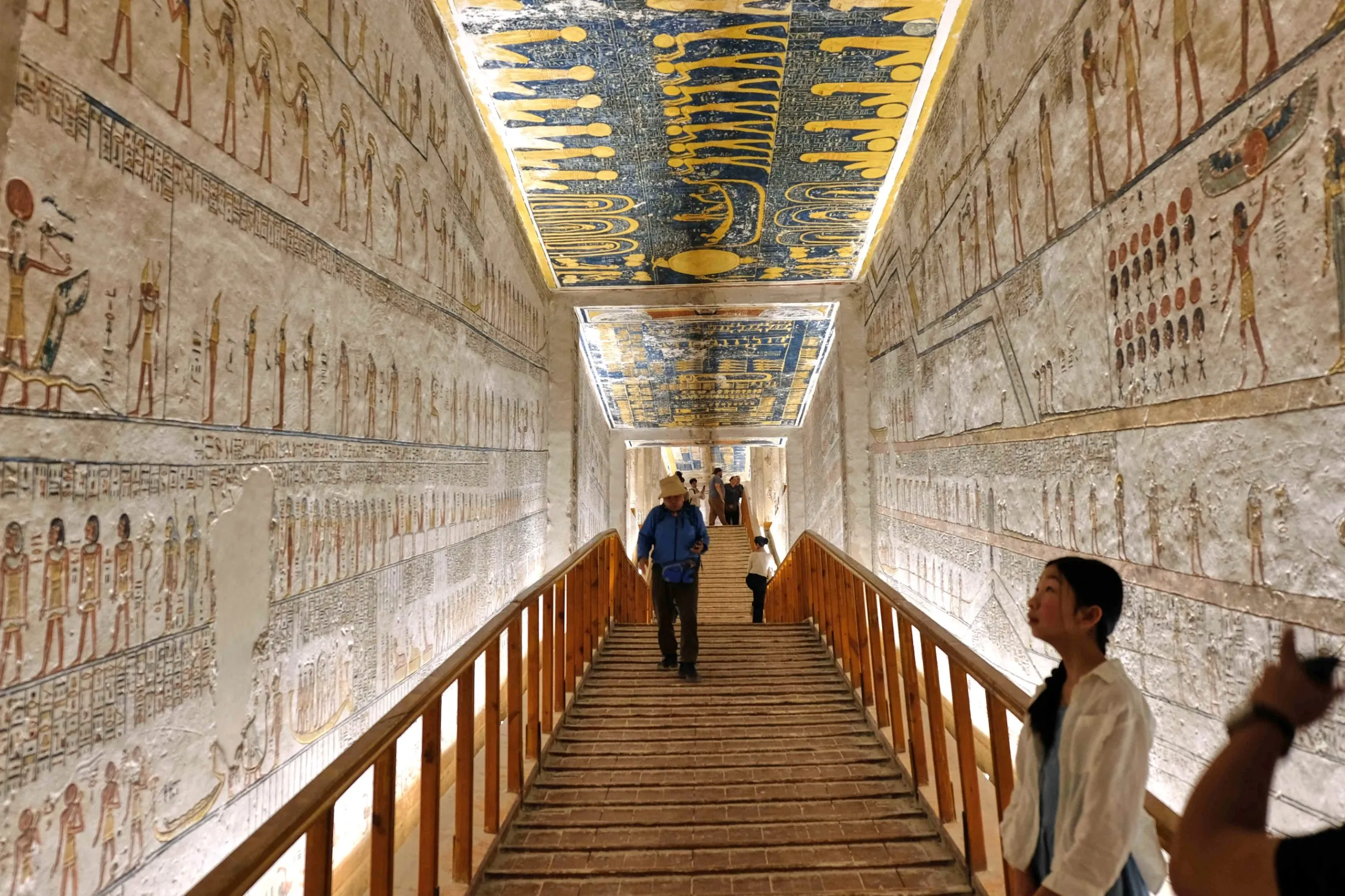
The Valley of the Queens is the burial place of pharaohs' wives and children. There are 100 tombs in the valley in total; 22 of them retain their paintings, but only three or four are open to visitors:
Tomb of Prince Amen Khopshef (QV55, Tomb of Prince Amen Khopshef).
Tomb of Titi (QV52, Tomb of Titi).
Tomb of Prince Kha Em Wast (QV44, Tomb of Prince Kha Em Wast).
Tomb of Tanedjemet (QV33, Tomb of Tanedjemet).
A ticket costs 220 pounds (4.04 USD). If you have a third day in Luxor, this is worth the trip. The main attraction here is the Tomb of Nefertari (QV66, Tomb of Nefertari), which costs 2,200 pounds (40.4 USD). Its coloured paintings are exceptionally well preserved. However, as of April 2026 it is closed.
The 'City of the Dead' covers a considerable area, but if you are used to walking, you can get between the sites on foot without too much trouble. For arriving and leaving, take a taxi. Hiring a driver for the whole day makes little sense — it will cost several times more than calling a new taxi from each site. Travelling by tuk-tuk is even cheaper. Bicycles are available to rent at many spots.
Food
McDonald's is also in Luxor, and there's just one — right across from Luxor Temple.
911 — specialty coffee and pastries.
Abydos Nile — a pricey restaurant on the banks of the Nile. You can have a full meal here or just enjoy a fresh non-alcoholic fruit cocktail. There are sets with Egyptian dishes for 590–850 EGP (10.8 USD–15.6 USD), pizza is made in a wood-fired oven — delicious, and appetizers cost 200–350 EGP (3.67 USD–6.42 USD). Portions are rather small.
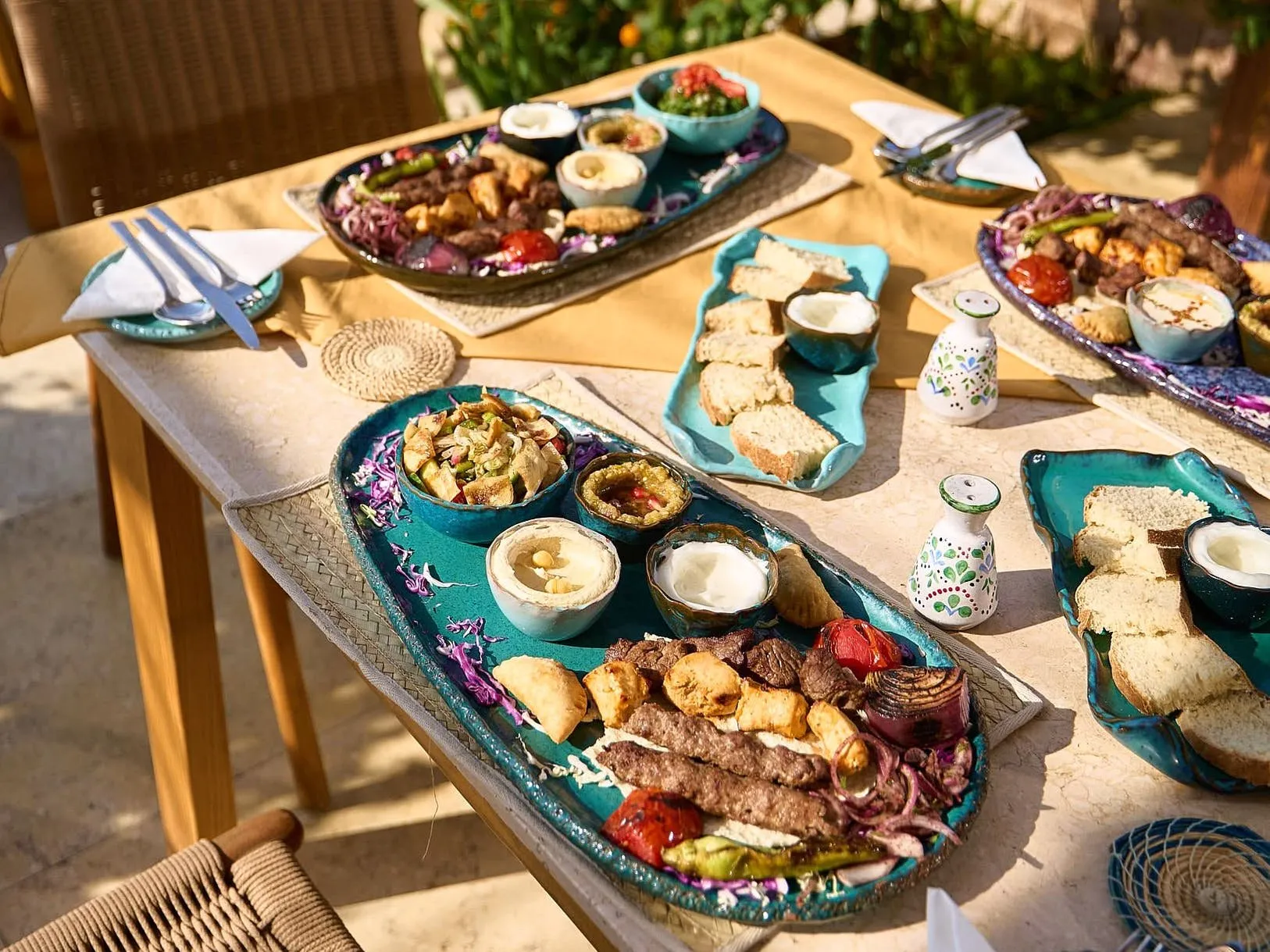
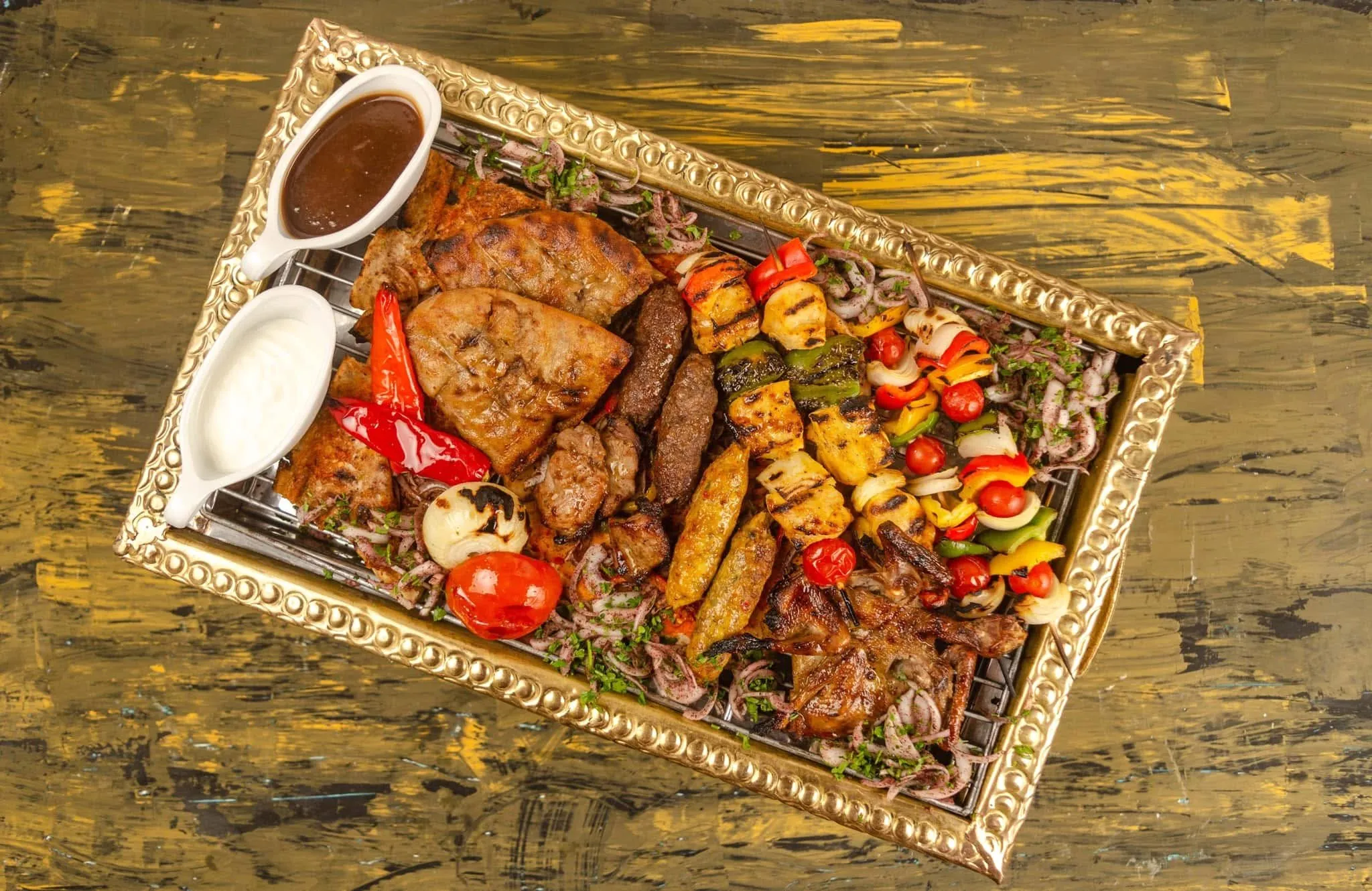
Thebes — a simple little restaurant on the waterfront in the "City of the Dead." It has the highest rating, and it seems that's well deserved. Portions are generous and the food is tasty. In general, the waterfront has plenty of similar eateries. They all offer more or less the same things — set breakfasts for around 250 EGP (4.59 USD), an omelette separately costs 60 EGP (1.1 USD), soups — 70 EGP (1.28 USD), hot dishes (kebabs, stewed chicken, vegetable moussaka, grilled fish, pizza) — 200–300 EGP (3.67 USD–5.5 USD), pasta — up to 200 EGP (3.67 USD), freshly squeezed juices — 50–100 EGP (0.92 USD–1.83 USD).
Accommodation
The most convenient place to stay is on the Nile bank in the City of the Dead — there are fewer people, less hustle, less noise, and it's easier to reach the main sights. You'll need to make at least a couple of trips to the City of the Dead, while a single day is enough for the Karnak and Luxor temples in the City of the Living. The City of the Dead has plenty of affordable guesthouses and rental apartments, as well as lots of simple restaurants. The City of the Living is home to chain hotels and good, pricier restaurants.
City of the Dead, Al Bairat neighbourhood on the Nile bank:
Amon — 2,000 EGP (36.7 USD) per night.
Morning Star — 1,000 EGP (18.3 USD) per night.
Nile Valley — 1,300 EGP (23.9 USD) per night.
Sheherazade — 1,750 EGP (32.1 USD) per night.
City of the Living:
Iberotel by JAZ — 5,200 EGP (95.4 USD) per night.
Mara House — 8,200 EGP (150.5 USD) per night.
Pyramisa — 3,200 EGP (58.7 USD) per night.
The Temple — 3,200 EGP (58.7 USD) per night.
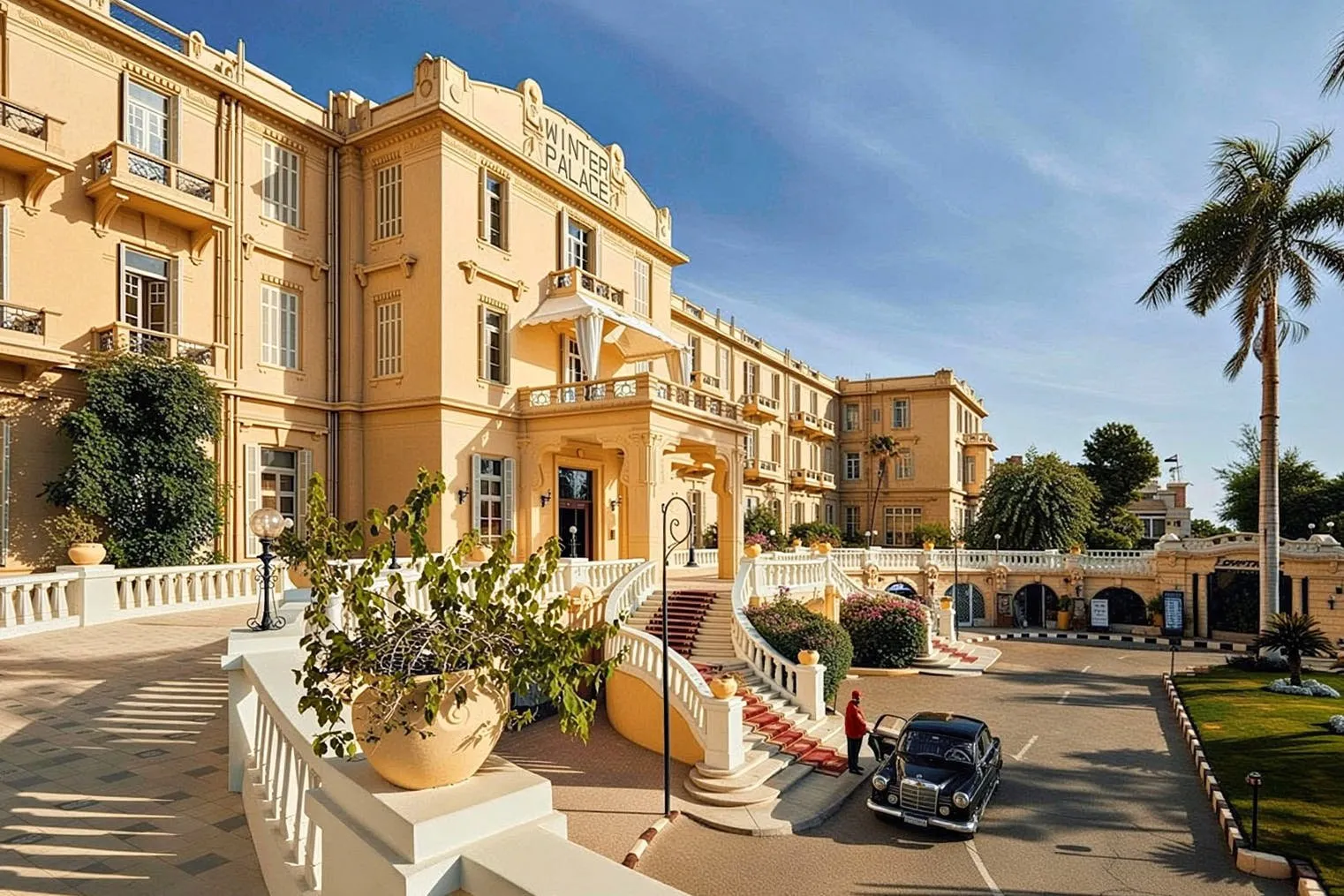
The historic Winter Palace hotel building is now occupied by Sofitel. It is a landmark in its own right. It was built when the first tombs were discovered and turned into museums, and foreign visitors began arriving in Luxor. Howard Carter stayed here while exploring the Valley of the Kings.
The hotel can be noisy and the rooms don't always justify the price, but there are few places in the world where you can soak up this kind of colonial grandeur. A night costs 350 euros (393 USD). The Movenpick is priced at roughly the same level. The grounds include two upscale restaurants — 1886 and La Corniche — open to non-guests as well. A considerably cheaper option is the Pavillon Winter (also part of the Accor group) — from 100 euros (112.3 USD) per night.
Transport
A state-run ferry operates between the two banks, with a ticket costing five pounds (0.09 USD). There is only one ferry dock. Private boats, however, are moored all along the Nile. A ride on one costs 20–30 pounds (0.37 USD–0.55 USD) per person. For 50 pounds (0.92 USD), they won't wait for other passengers and will take you across on your own.
Getting around the city is easy by tuk-tuk or taxi — inDrive works well here too. To negotiate with tuk-tuk drivers, you can use the inDrive app price as a starting point.
Connectivity
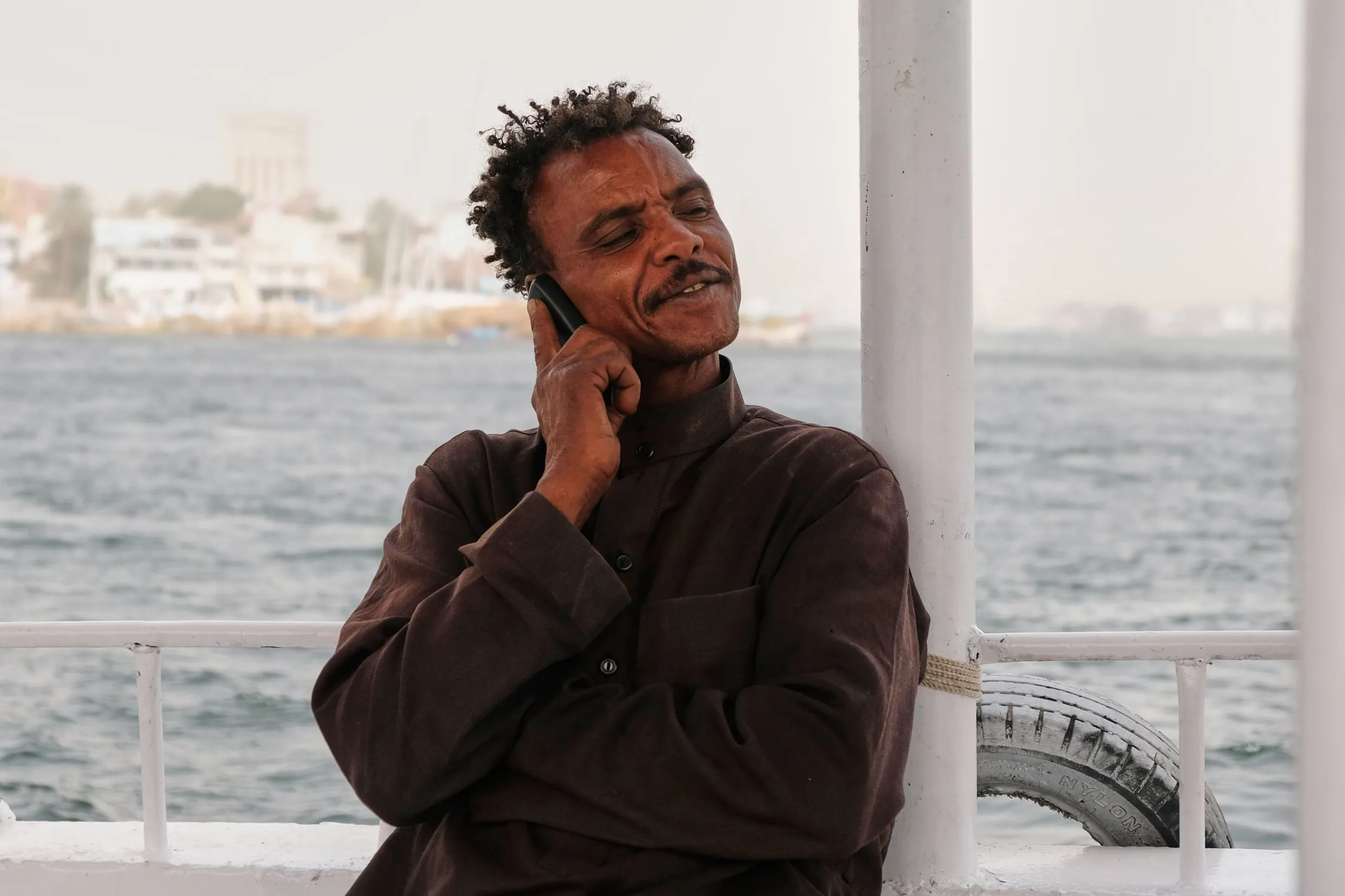
SIM cards are sold at any store of local providers Vodafone, Etisalat, and Orange upon presentation of a passport. You can buy one right at the airport on arrival. The cost of a SIM card varies by seller — 100–150 pounds (1.83 USD–2.75 USD), and a 20 GB internet package will cost around 400 pounds (7.34 USD), valid for 28 days. An eSIM usually costs a little extra.
Here are the prices for the most popular eSIM operators for Egypt:
Trip.com — 10 GB for 30 days costs $30.
Yesim — ten gigabytes for 30 days costs 23 euros (25.8 USD)
Airalo — ten gigabytes for 15 days costs 37 euros (41.5 USD)
Money
Egypt's national currency is the Egyptian pound. You can exchange euros or dollars at any exchange office or bank. The rate is the same everywhere, including at bank branches located in airports. Converting pounds back into dollars or euros is more difficult, and the Egyptian currency depreciates very quickly, so don't exchange too much at once. You can also exchange currency at ATMs, which are quite common — a very convenient option. Card payments are accepted in many places.
Visas
Citizens of most countries need a visa to enter Egypt, but many nationalities can simply buy one on arrival. A single-entry tourist visa costs 30 USD and allows a stay of up to 30 days. You buy it at the bank counters in the arrivals hall before passport control, not from the border officer.
Cards are accepted at some crossings, but it's safer to arrive with cash — ideally the exact amount in clean, undamaged bills. Counters don't always have change, and what they do give back tends to come in Egyptian pounds at a rate you won't like.
Two alternatives are worth knowing about. The e-Visa is issued online a few days before the trip and lets you walk straight to passport control. And since 1 August 2026, Cairo airport has been piloting a digital visa on arrival: instead of the paper sticker you generate a QR code through the official portal, the app, or a self-service kiosk in the arrivals hall. It costs 36 USD — the same $30 plus a $6 issuing fee — and the code is only valid for 48 hours after you create it, so generate it close to your flight rather than at the booking stage. During the pilot the paper sticker is still available, and other airports work the old way for now.
At Sharm el-Sheikh airport, at the land border with Israel at Taba, and on the ferry from Jordan to Nuweiba, you can get a free "Sinai stamp" instead — permission to stay 15 days, but only in the eastern Sinai resort zone: Sharm el-Sheikh, Dahab, Nuweiba, Taba. It does not cover Cairo, Luxor, Hurghada, or anything else on the mainland. Officers hand out this stamp by default, so if you're flying into Sharm and plan to go beyond Sinai, say so at the counter and ask to buy the full visa.
A tourist visa can be extended, usually by three months, at the Passports, Immigration and Nationality Administration in Abbassia, Cairo — the old Mugamma on Tahrir Square no longer handles this — or at regional offices in Alexandria, Hurghada, Sharm el-Sheikh, and Luxor. The extension is not free: expect a few thousand pounds in fees, paid in cash, and usually two visits on separate days. Bring your passport plus photocopies of the photo page and the page with your visa and entry stamp, passport photos, and proof of where you're staying. Apply at least two or three weeks before your current visa runs out.
How to Get There
By plane. Flights to Aswan operate from Cairo and Abu Simbel, costing 100-150 USD one way. Luxor has far more connections — there are flights from Hurghada, Sharm el-Sheikh, Marsa Alam, and Cairo. Flights also arrive from Mecca and Dammam in Saudi Arabia, as well as from Europe: Düsseldorf, London, Milan, and Paris.
By train. A rail line runs from Alexandria to Aswan, passing through Cairo and Luxor.
The journey from Cairo to Aswan takes 13–17 hours. There are around ten trains from Luxor to Aswan: five in the morning before 10:40 and five after 17:40. The trip takes 3.5–4 hours.
Since December 2023, foreigners can only buy train tickets with cash in dollars or euros, at prices 15–20 times higher than the actual fare. A ticket from Luxor to Aswan costs locals 90–130 Egyptian pounds (1.65 USD–2.39 USD), while foreigners pay 30–40 dollars (30 USD–40 USD). A ticket from Cairo to Aswan costs 65–120 dollars (65 USD–120 USD) depending on the train.
Buses from Cairo to Aswan depart in the evening — at 17:00, 19:00, and 22:00. These tickets cannot be bought online; you must purchase them in person at the bus station. Even then, there is a chance they will refuse to sell you a ticket or will charge a markup. There is an unofficial rule against allowing foreigners onto buses to Aswan.
Buses from Cairo to Luxor take nine to ten hours, with tickets costing 460–1,050 Egyptian pounds (8.44 USD–19.3 USD). You can buy them online on the websites of the bus companies Go Bus, Otobeesy or Superjet.
From Luxor to Aswan, foreigners have access to only one service, operated by Superjet. Buses typically depart daily at 6:30. A ticket costs 400 Egyptian pounds (7.34 USD), but you can only buy it online if you have an Egyptian phone number. If you don't, you'll need to go in person to the company's office — it is located not far from the railway station. The ticket price on this route is not inflated.
Other buses and minibuses from Luxor to Aswan do exist. They generally disregard the unofficial ban but simply charge significantly more — 700–1,000 Egyptian pounds (12.8 USD–18.3 USD) for a full-size bus and 500 Egyptian pounds (9.17 USD) for a minibus. Bus company offices are located near the railway station, and buses depart from there as well. Minibuses leave from their own station. The journey takes four to five hours; the last departure is at 17:00.
By taxi. If there are four of you, a taxi will likely cost only a little more than the bus. If you book through the InDrive app, the price can be quite low — around 1,000 Egyptian pounds (18.3 USD) — but at that price no one agrees to make the trip. Drivers accept the order and then start negotiating via messages.
When to go
Aswan and Luxor are extremely hot destinations, so the best time to visit is December through March, when daytime temperatures are a comfortable 20–25°C. In summer, temperatures in these areas regularly climb to 40°C.